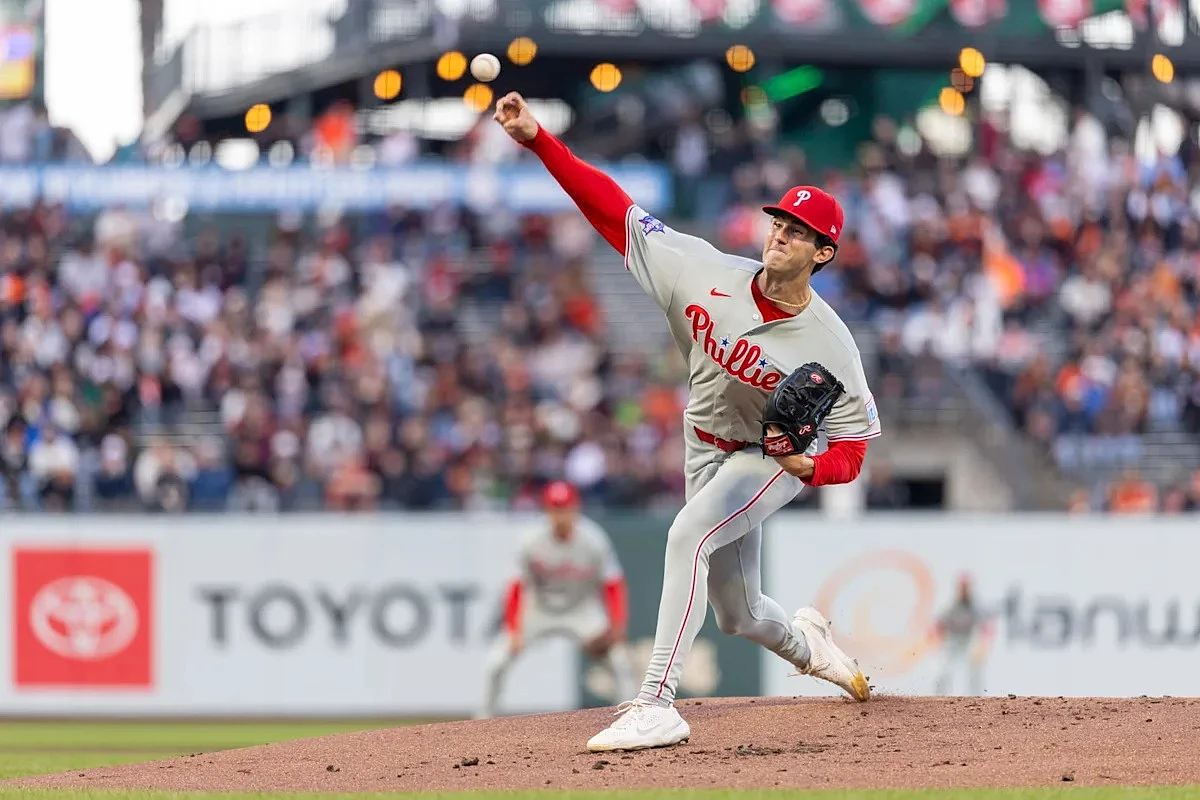
The Philadelphia Phillies have a decision to make, and the clock might be ticking. While some MLB franchises are known for aggressively promoting top prospects or securing them with early contracts, the Phillies have traditionally taken a more measured approach. This cautious strategy is now facing a significant test with two of their brightest young talents: pitcher Andrew Painter and outfielder Justin Crawford.
Both players have emerged as standout performers, offering a glimpse of a promising future beyond the team's established stars. Painter, in particular, has shown such dominant form in the minors that many fans and analysts believe he was ready for a major league debut last season. His powerful arm represents exactly the kind of homegrown pitching talent that can define a franchise for years.
However, the broader landscape of baseball adds urgency to the Phillies' calculus. The current collective bargaining agreement is set to expire after the 2026 season, and the next round of negotiations could center on major structural changes like a salary cap or floor. This uncertainty has led to speculation across the league about a potential work stoppage in 2027.
This looming possibility creates a compelling argument for the Phillies to act now. By negotiating pre-arbitration contract extensions with players like Painter and Crawford, the team could secure cost certainty and lock in their core young talent before any new financial rules take effect. It's a strategic move that would protect the team's future while rewarding two players who have already proven they belong. For a franchise with championship aspirations, securing its rising stars ahead of potential turbulence isn't just prudent—it could be essential for building the next great Phillies team.