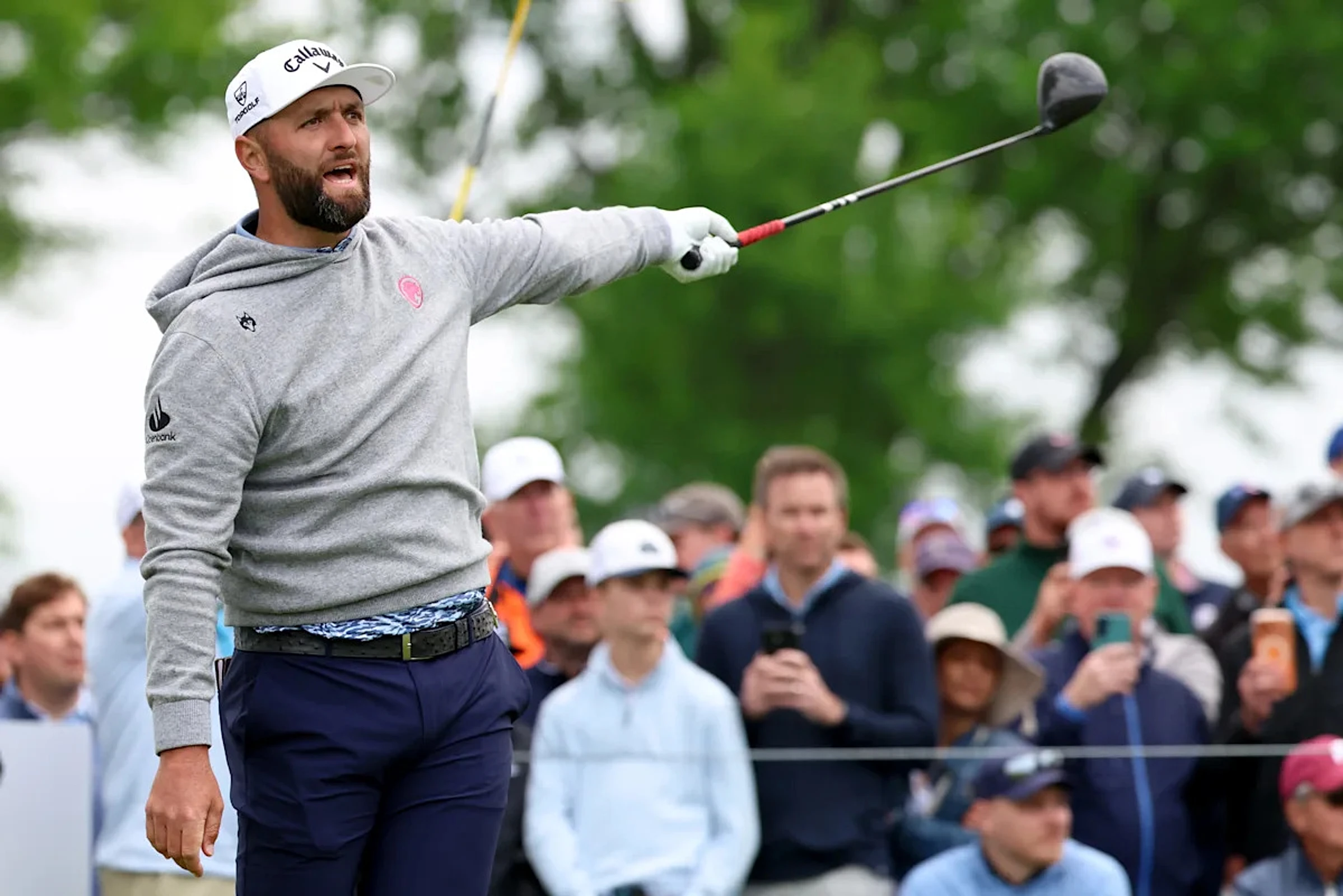
The PGA of America rolled out a shiny new code of conduct policy this year, but after the first round of the 108th PGA Championship at Aronimink Golf Club, many are wondering: is it just for show?
Thursday's opening round saw some of golf's biggest names testing the limits of professional behavior. Justin Thomas sent a club flying in frustration, Jon Rahm accidentally hit a volunteer in the face with a divot, and Rory McIlroy dropped an NSFW word during his press conference. Yet, despite these clear examples of what the policy was designed to prevent, no warnings were issued.
The code of conduct, which the PGA of America developed in collaboration with the PGA Tour and DP World Tour, was meant to ensure "everyone is behaving appropriately, professionally, and as we would want our children and people watching to see the major championship," according to Kerry Haigh, the PGA's Chief of Competitions. He noted that multiple meetings were held to create a program that is "fair and effective."
The policy is prominently displayed in the Aronimink locker room, listing 14 specific examples of "unacceptable behavior." Interestingly, McIlroy's language is the very first item on that list. But on Thursday, when asked about enforcement, a PGA media official confirmed that no penalties were handed out.
The decision ultimately rests with the PGA's Rules Committee, but allowing such behavior to go unchecked on the very first day raises serious questions. Is this policy a meaningful step toward better sportsmanship, or is it just wallpaper in the locker room?
For context, Augusta National implemented a similar policy last month and didn't hesitate to enforce it. Sergio Garcia received a warning for damaging turf and breaking his driver shaft over a bench during the final round of the Masters. Robert MacIntyre also reportedly got a stern talking-to. The contrast is hard to ignore.
As golf fans and players alike look for the sport to uphold its traditions of respect and integrity, the real test will be whether the PGA of America follows through or if this policy ends up being little more than a talking point.