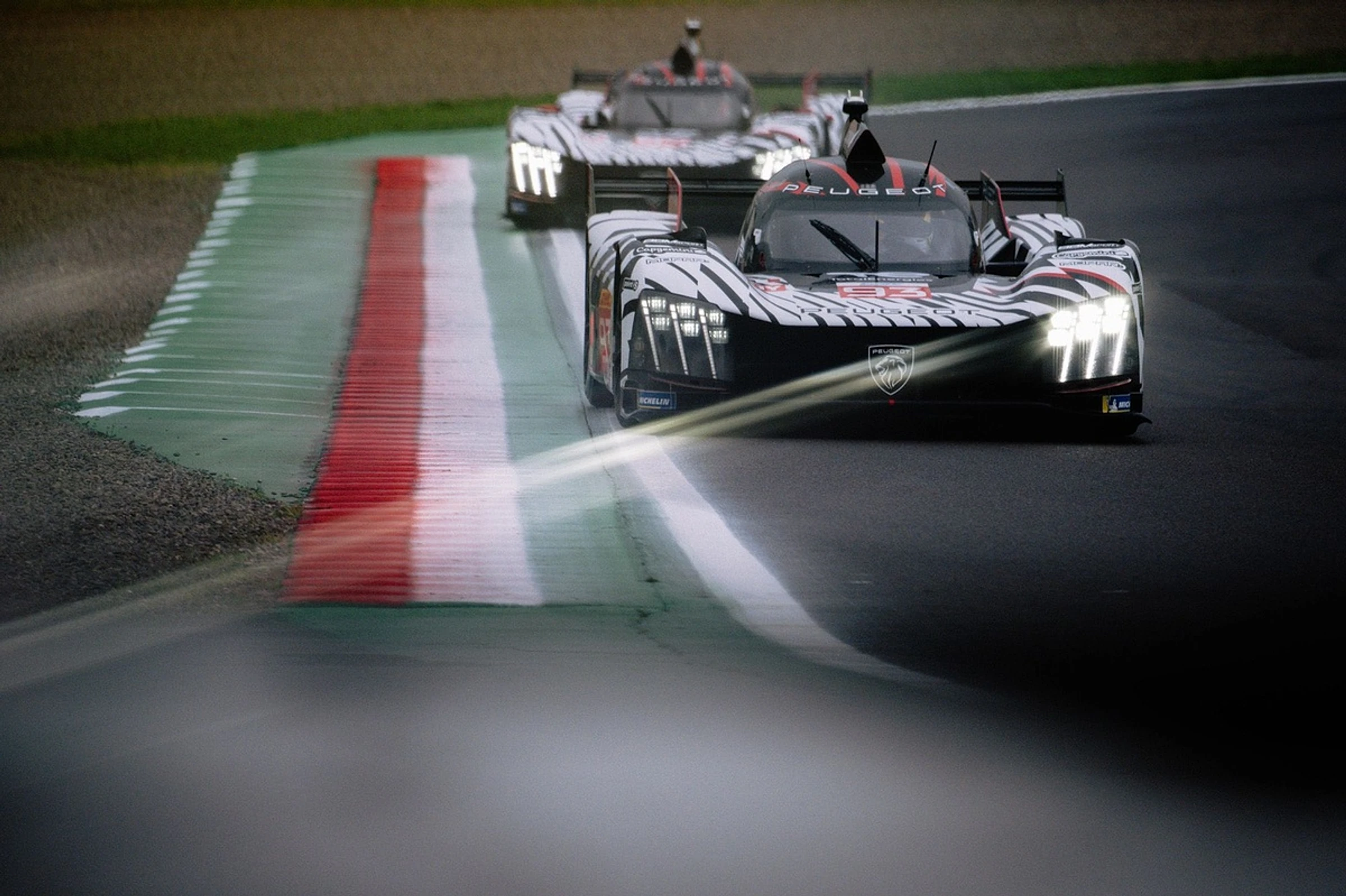
The roar of the Hypercar class is about to get louder, and all eyes are on Peugeot. With CEO Alain Favey publicly calling for the brand's maiden WEC victory, the pressure is on for the 'Lions' to pounce in 2026. But can they turn ambition into achievement, or is this destined to be another year of building for the future?
The challenge is steep. While rivals have been busy upgrading their machines, Peugeot's 9X8 Hypercar remains technically frozen at its 2025 specification. Compounding this, the team's winter track preparation was limited to a single 24-hour test at Portimao, primarily used to bed in new driver Nick Cassidy. In the relentless world of top-tier endurance racing, that's a significant hurdle to overcome.
Don't mistake a quiet winter for an idle one, however. As driver Malthe Jakobsen pointed out, the team has been grinding away in the simulator and the Satory workshop, fine-tuning every detail of the existing package. The goal is to extract every last ounce of performance while laying the groundwork for a major 2027 evolution.
So, what can we expect from the 9X8 this season? Driver Theo Pourchaire offered a realistic, if playful, assessment. The car has a known strength in wet conditions—"we need to do the rain dance," he joked—which could be a crucial factor in the unpredictable European rounds. However, he was candid about the car's inconsistencies, noting that high-curb circuits like Imola could expose the suspension's weaknesses.
The 2026 season for Peugeot shapes up as a classic test of resilience. It's about maximizing a known package, capitalizing on strategic opportunities (like changeable weather), and managing expectations. A breakthrough win would be a monumental story, but consistent points finishes and a solid platform for 2027 may be the more immediate, and equally vital, targets. For fans of engineering drama and underdog spirit, the Peugeot garage will be one of the most compelling stories to follow all season long.