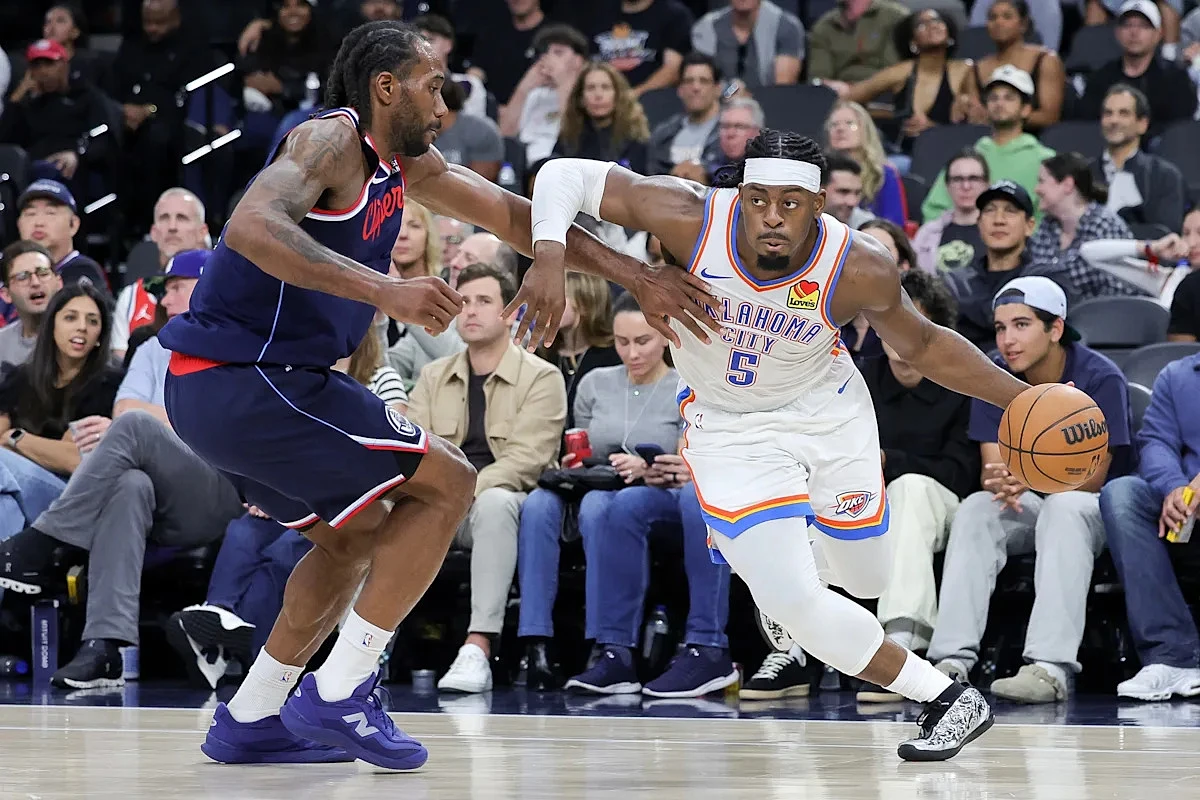
The NBA's 65-game rule for award eligibility has been a major talking point this season, and Oklahoma City Thunder defensive stalwart Lu Dort just lived through its most peculiar side effect. With the Thunder having already clinched the Western Conference's top seed, Dort found himself suiting up for the final two meaningless regular-season games while his teammates rested. His mission? To hit a specific playing-time threshold and remain eligible for an All-Defensive Team selection.
This scenario highlights the complex—and often criticized—nature of the league's relatively new rule, designed to curb load management. While the intent is to ensure stars play more often, it has created awkward situations where players must chase minutes in inconsequential games to qualify for postseason honors. For Dort, a player renowned for his gritty, full-effort style, having to strategically log exactly 20 minutes in what he called "glorified G League games" was a strange experience.
The rule's impact extends far beyond Oklahoma City. The league faces a potential image problem with Dallas Mavericks superstar Luka Dončić, the scoring champion, also in danger of missing All-NBA honors due to games played. If exceptions are granted through appeals, it risks turning a hard rule into a mere suggestion, undermining its original purpose.
For players like Dort, who build their reputation on relentless defense and availability, the rule adds an unexpected layer of game-time calculus to the end of a long season. As the Thunder now turn their full attention to the playoffs, Dort's unusual final week serves as a perfect case study in the ongoing debate between player availability, award integrity, and the spirit of competition.