Pep Guardiola's managerial career reads like a masterclass in modern football. Often, the saying goes that great players rarely become great managers—but Guardiola is the exception that proves the rule.
As a player, Guardiola lifted Barcelona's first European Cup in 1991/92 and won six La Liga titles, including four in a row from 1990 to 1994. He captained the club for years before moving on to Brescia and Roma. Yet, his legacy as a player always belonged to Catalonia.
When he hung up his boots, Guardiola took charge of Barcelona B for a season before stepping into the senior role, replacing Frank Rijkaard. From day one, everything clicked. He revived the club's DNA—possession-based, positional play built around the legendary midfield trio of Xavi, Sergio Busquets, and Andrés Iniesta, with Lionel Messi adding the magic up front.
Guardiola's philosophy was unwavering. His teams played breathtaking football and delivered trophies season after season. After four years at the Camp Nou, he took a sabbatical, returned refreshed, and joined Bayern Munich. In Germany, he tweaked his tactics but kept the winning formula, ensuring domestic dominance continued.
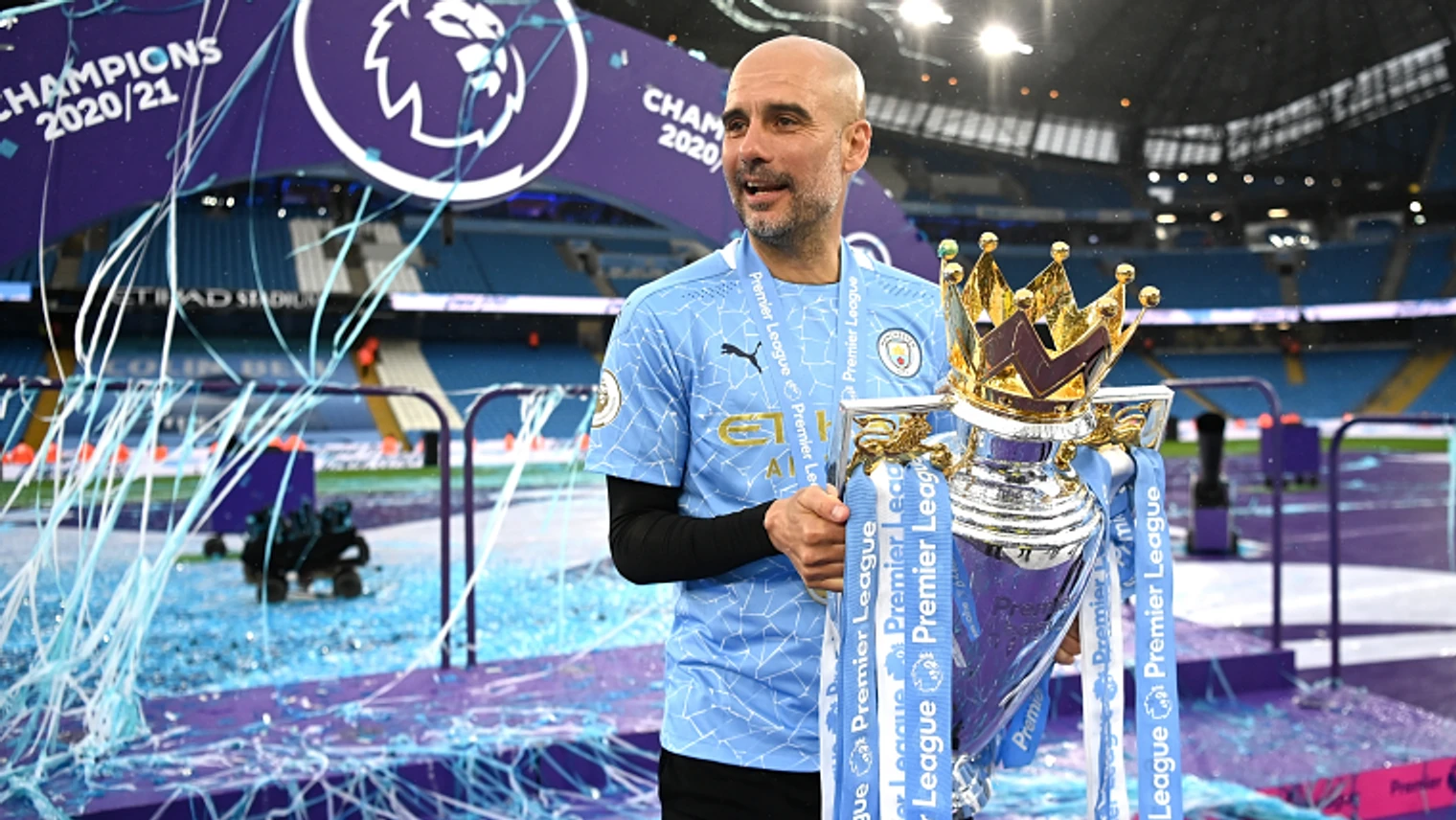
Then came Manchester City. At the Etihad, Guardiola has built one of the most dominant sides in Premier League history. After years of near-misses in Europe, he finally captured the UEFA Champions League, cementing his status among the all-time greats.
Across his tenures at Barcelona, Bayern Munich, and Manchester City, Guardiola has amassed an astonishing 12 league titles. Add in 17 domestic cups—and remember, in England, that means competing in both the FA Cup and the League Cup every season—and the numbers speak for themselves.
From La Liga to the Bundesliga to the Premier League, Guardiola's trophy cabinet is a testament to relentless innovation and an unshakeable belief in how the game should be played.