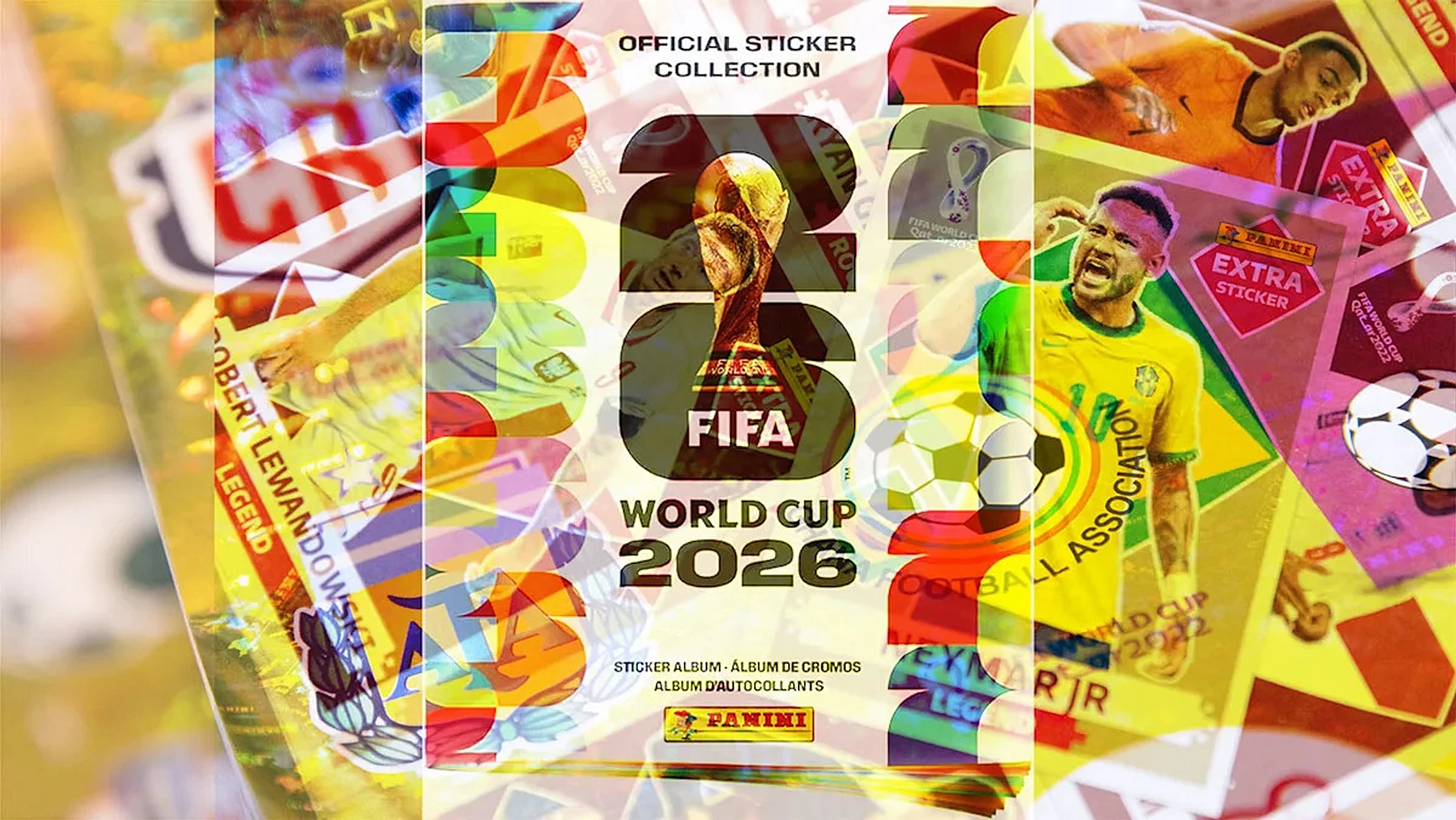
For over half a century, the ritual of collecting Panini stickers has been as much a part of the World Cup experience as the matches themselves. It’s a global obsession that connects generations of fans, creating a tactile, shared history of the beautiful game.
The moment of placing that final sticker is a feeling every collector knows. It’s a mix of triumph, relief, and a sudden, strange emptiness. You’ve conquered the album, but the journey—the trades, the near-misses, the community built around a shared goal—is what truly defines the experience.
What starts as a fun project, perhaps for a child, often reveals a deeper, more personal drive. It becomes a mission. It transforms a simple sticker album into a sprawling project involving spreadsheets, international trades, and a surprising number of trips to the local pharmacy. The completion is a personal victory, a tiny, glittering monument to dedication.
This tradition began in 1960s Modena, Italy, with the Panini brothers. Spotting an opportunity with unsold football trading cards, they sold millions of packets at a low price, unknowingly laying the foundation for a cultural phenomenon. Their genius was in understanding that collecting is a powerful driver of fan engagement, a lesson that resonates in sports fandom to this day.
From those humble beginnings, Panini albums have grown into a cornerstone of major tournaments. The upcoming 2026 World Cup, with its expanded format of 48 teams, promises to be the most colossal collection yet. It represents a new frontier for collectors—a fresh challenge and a new set of heroes to hunt for, ensuring this beloved ritual will captivate fans for another generation.