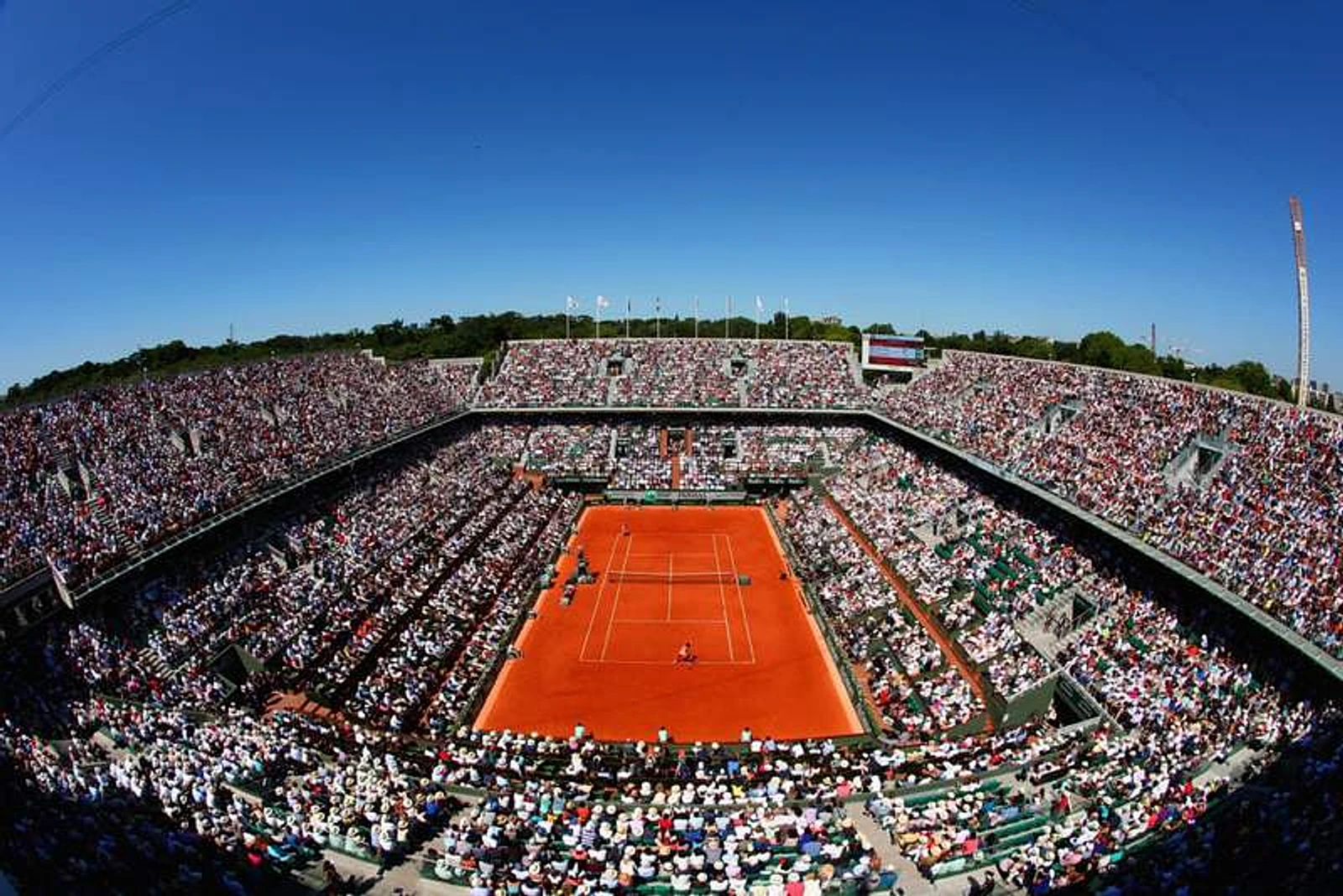
With just one month until the first serves are struck at Roland Garros, the tennis world is buzzing with anticipation. It’s a tall order to surpass the drama of last year's unforgettable finals, where Carlos Alcaraz saved three match points to defeat Jannik Sinner in a five-set epic, and Coco Gauff staged a stunning comeback to claim her second major title. The stage is set for another thrilling chapter in Parisian clay-court history.
However, beneath the surface of this premier event, a debate about innovation versus tradition is heating up. Tournament director Amélie Mauresmo has sparked conversation by firmly stating that the French Open will not follow the lead of other slams in pursuing new, fan-focused formats. This comes after the successful debut of "The One Point Slam" at the Australian Open—a high-stakes, single-point knockout event that captivated fans and created significant social media buzz.
Mauresmo's stance is clear: Roland Garros will prioritize its authentic, tradition-rooted identity over chasing viral trends. "We’re more about authenticity; we’re rooted in our traditions," she stated, emphasizing a commitment to the tournament's classic DNA rather than adopting external innovations.
This philosophy has divided the tennis community. Supporters applaud the commitment to preserving the unique character and storied history of the clay-court Grand Slam. Critics, however, argue that a reluctance to evolve and experiment with the fan experience could leave the tournament lagging behind its more adaptable rivals in the long run. As the sport globally seeks new audiences and engagement, Roland Garros finds itself at a crossroads, championing its heritage while the world of tennis around it continues to change.