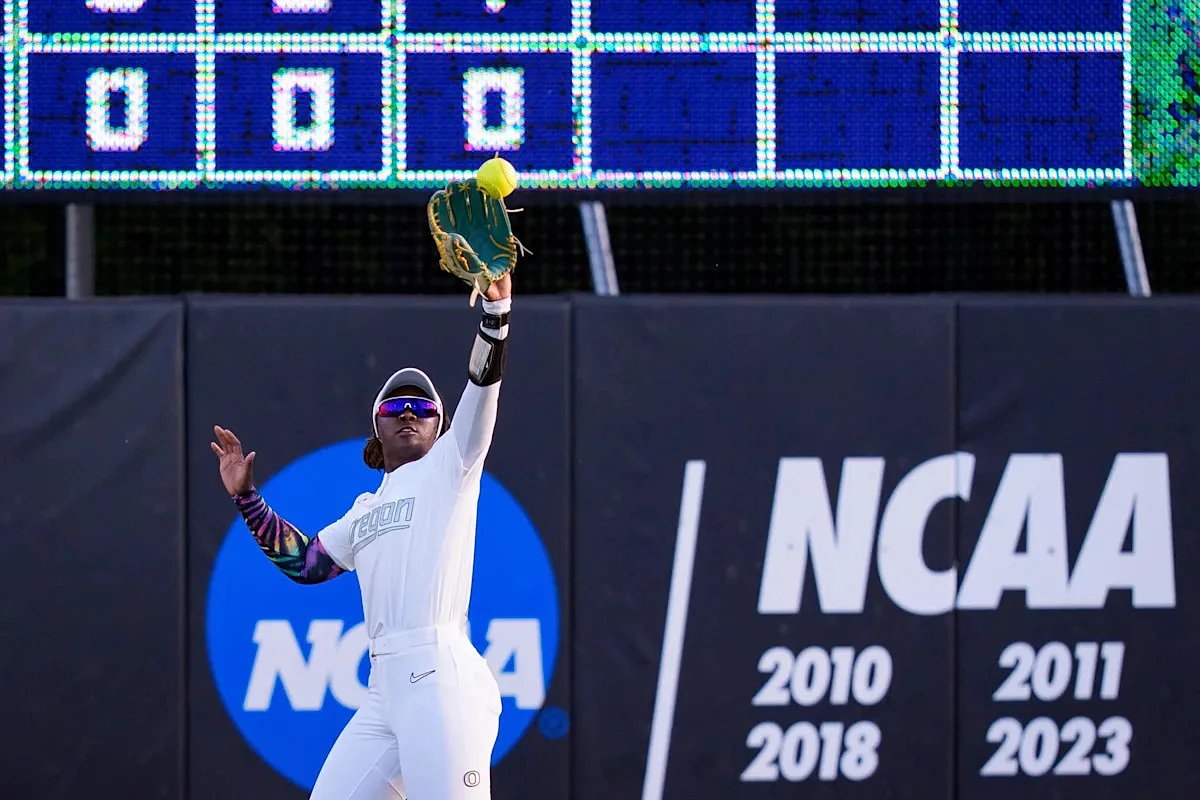
The road to the Women's College World Series runs through Eugene, and for the Oregon Ducks, the path is clear—but it won't be easy. As the 2026 NCAA Softball Regionals approach, the stakes couldn't be higher. Since the super regionals format was introduced in 2005, history has been unforgiving: fewer than 1% of teams have survived a Day 1 loss to advance. Even those who win the opener but stumble in the winner's bracket game face daunting odds—less than 10% claw their way back through the elimination bracket.
For the Ducks, the math is simple: win the first two games, and you're looking at a 90% chance of punching your ticket to the next round. That starts with a crisp, efficient victory over Idaho State on Friday night. Oregon needs to handle business without emptying the tank, saving energy for the bigger battle ahead. Meanwhile, Mississippi State and St. Mary's will be slugging it out in a game that could leave the winner bruised and weary. The Ducks want to be the fresher team when they step into the winner's bracket on Day 2.
So, how does Oregon secure that no-sweat win against the Bengals? It comes down to two strengths the team has leaned on all season: a dynamic, powerful lineup that strikes early and puts opponents on their heels, and a deep bullpen that allows them to save their ace for the pivotal second game. If the bats come alive early and the pitching staff can manage the workload, the Ducks will be in prime position to rest while their next opponent fights for survival.
Opening Game: Oregon vs. Idaho State
Friday, May 15 | 7:00 PM PT | ESPNU
Idaho State arrives in Eugene with a potent offense that has carried them all year. Seven of their top ten regulars boast an OPS of .998 or better, with stars Sydney Groves and Kira Day leading the charge at an impressive 1.22 OPS. Together, they've mashed 31 home runs this season. But there's a noticeable drop-off after those two—the bottom third of the lineup struggles with OPS numbers around .700, offering a potential opening for Oregon's pitchers.
On the mound, the Bengals rely primarily on a two-pitcher rotation, with limited relief options. Marley Goluskin has been the standout, posting a 2.54 ERA and 1.31 WHIP, while Kasey Aguinaga sits at 3.44 ERA and 1.48 WHIP. However, Aguinaga's numbers are skewed by a high hit-by-pitch count, which could be a wild card in a high-pressure regional game.
For Oregon, the formula is straightforward: jump on Idaho State early, force their pitching staff into tough spots, and let the depth of the bullpen shine. If they can execute that plan, the Ducks will be one step closer to super regionals—and one step closer to Omaha.