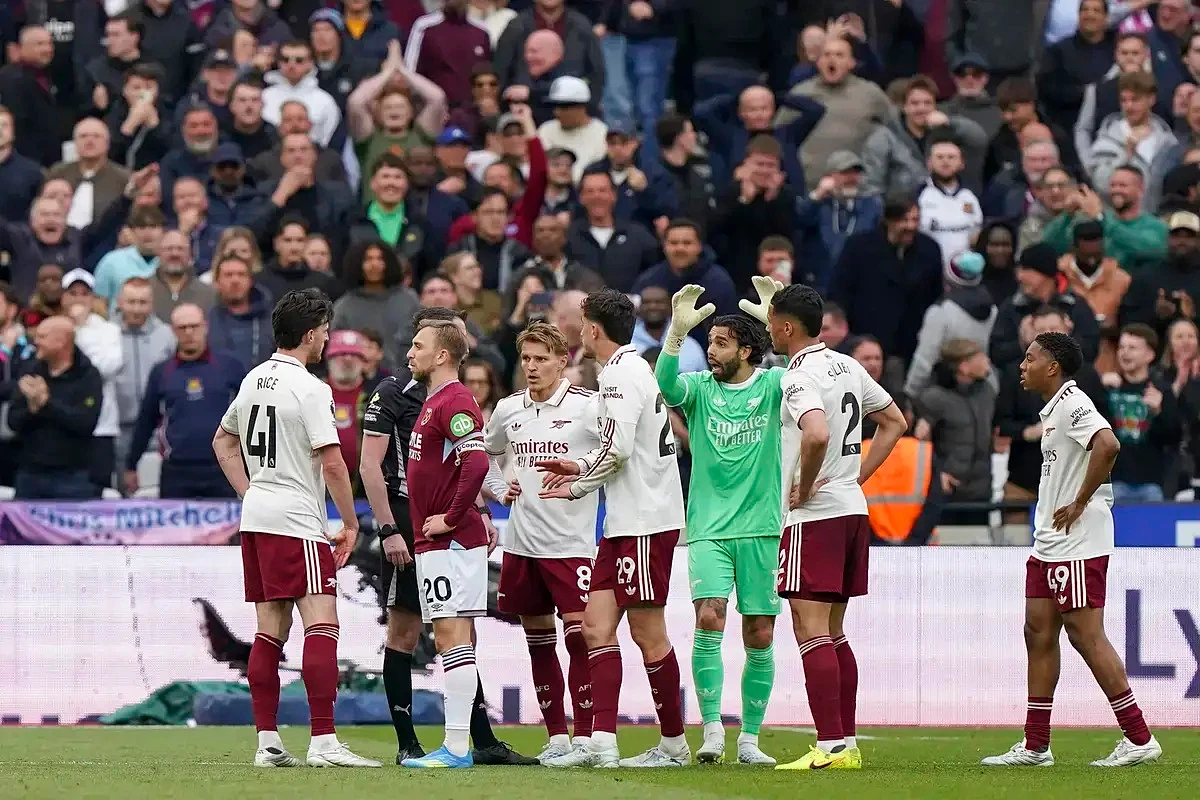
Sunday night was a pivotal moment for football content creators—and not in a good way. As Arsenal fans watched West Ham's disallowed goal spark controversy, some creators made a choice that may haunt them: they chose clicks over credibility.
In the heat of the moment, a few YouTubers and social media personalities let their masks slip, damaging the reputation of an entire genre. For years, these creators have fought to be taken seriously as part of the football media landscape. But when you prioritize short-term engagement over professional standards, you risk undoing all that hard work.
Let's be clear: ranting in front of a camera isn't a talent. Anyone can shout an opinion when emotions run high. The real skill lies in constructing a thoughtful, balanced argument—even when the game doesn't go your way.
Compare how Sky Sports and talkSPORT covered the London Stadium clash. The television host remained impartial, guiding the panel through the discussion without letting personal bias take over. Viewers tune in for expert analysis, not the presenter's raw emotions.
On radio and social media, however, the story was different. Some personalities became so heated over Callum Wilson's disallowed goal that it felt like producers had to remind them to stay balanced. Then came the claim that a Spurs-supporting guest was so disgusted she had to leave the set. Think about that for a moment: a Tottenham fan furious about a result that actually helps her team in their battle against relegation? Really?
Ask yourself—have you ever known a real fan to get that angry when their own club isn't even playing, especially when the outcome benefits their team? In most cases, the answer is no. What we're seeing is performance. A gimmick designed to fuel engagement, attract subscribers, and drive social media traction.
Platforms like DR Sports often structure their segments around entertainment and rivalry rather than genuine insight. But when credibility is sacrificed for clicks, everyone loses—the creators, the audience, and the integrity of football coverage itself.