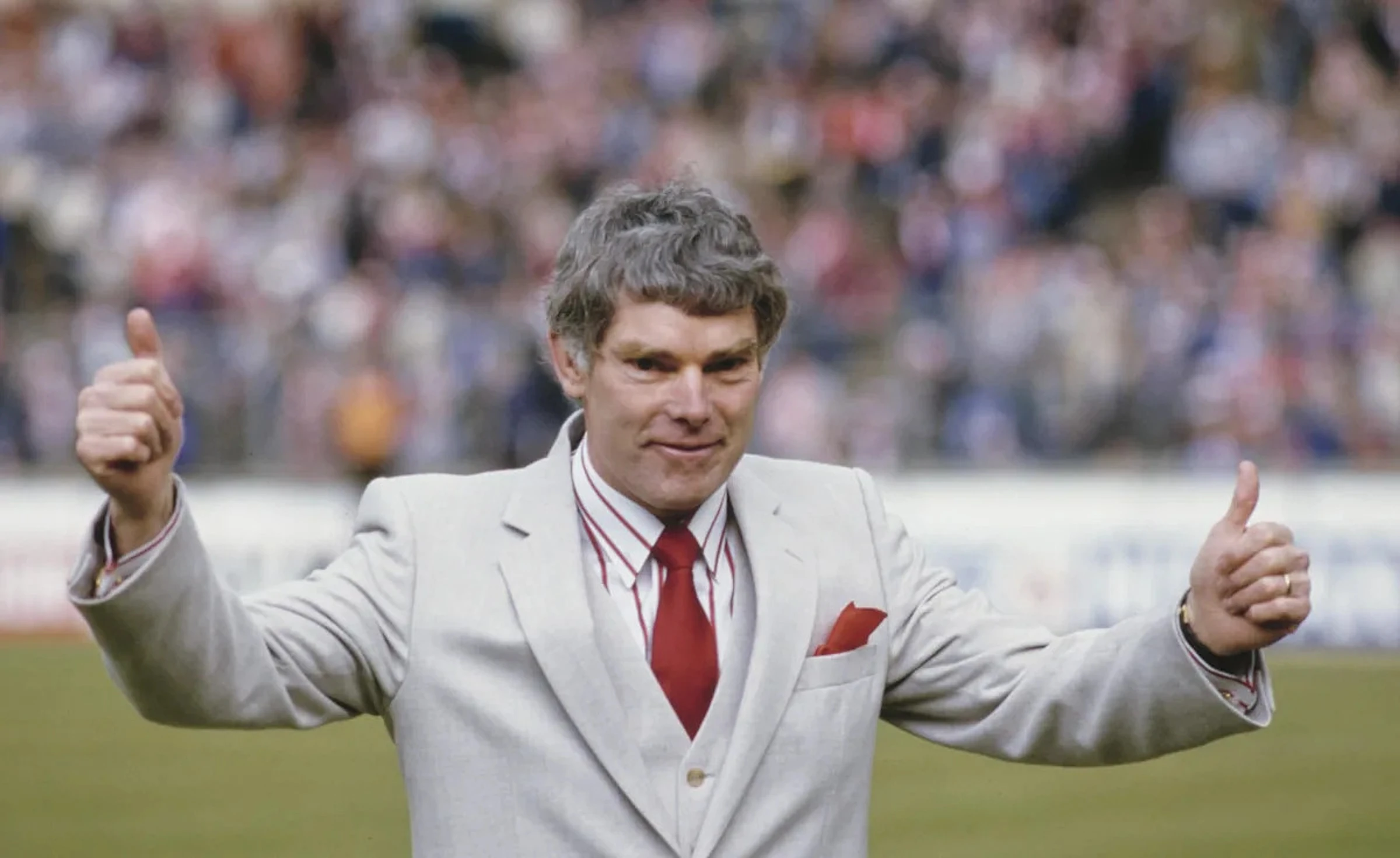
On 14 May 1984, Sunderland manager Len Ashurst lived up to his brutal reputation by swinging the axe just two days after the season finale—and the clear-out at Roker Park was as ruthless as it was swift.
The Black Cats had secured top-flight survival with a vital 2-0 win at Leicester City on the final day. But Ashurst, who had only recently returned to the club to replace Alan Durban, wasted no time putting his own stamp on the squad. Despite the result, his involvement in that crucial victory was minimal at best.
In a bizarre turn of events, Ashurst didn't travel or stay with the team before the match, with relegation still a mathematical possibility. Instead, he got stuck in traffic before kick-off, leaving player-coaches Pop Robson and Leighton James to hand in the team sheet and decide on tactics. James, a regular all season, was dropped, while Robson started alongside James' replacement, Lee Chapman. It was Chapman who opened the scoring, and the 38-year-old Robson sealed the win in what would be his final appearance for the club—his 182nd in a Sunderland shirt.
But sentiment had no place in Ashurst's plans. On this day in 1984, just 48 hours after that dramatic afternoon at Filbert Street, the axe came down hard. The writing had been on the wall even before safety was confirmed. Fans and players alike knew that Paul Bracewell—a young, terrifically talented midfielder coming off an excellent personal season—would be sold to Everton after just one year at Roker Park.
Here's where the story gets even more intriguing. Bracewell, an Alan Durban protégé who had played for the former boss at Stoke City, was coveted by one of England's top clubs. Sunderland were strapped for cash, and Ashurst wanted funds to reinvest. Yet, instead of holding out for a better deal, the manager seemed willing to let Bracewell go for less than the club had paid Stoke just 12 months earlier.
It appears Bracewell may have been too big a character for Ashurst to get onside. In the cutthroat world of football management, sometimes it's not just about talent—it's about control. And for Ashurst, clearing the decks meant making tough, unpopular decisions, even if it meant losing a fan favorite. On this day in 1984, the message was clear: no one was safe at Roker Park.