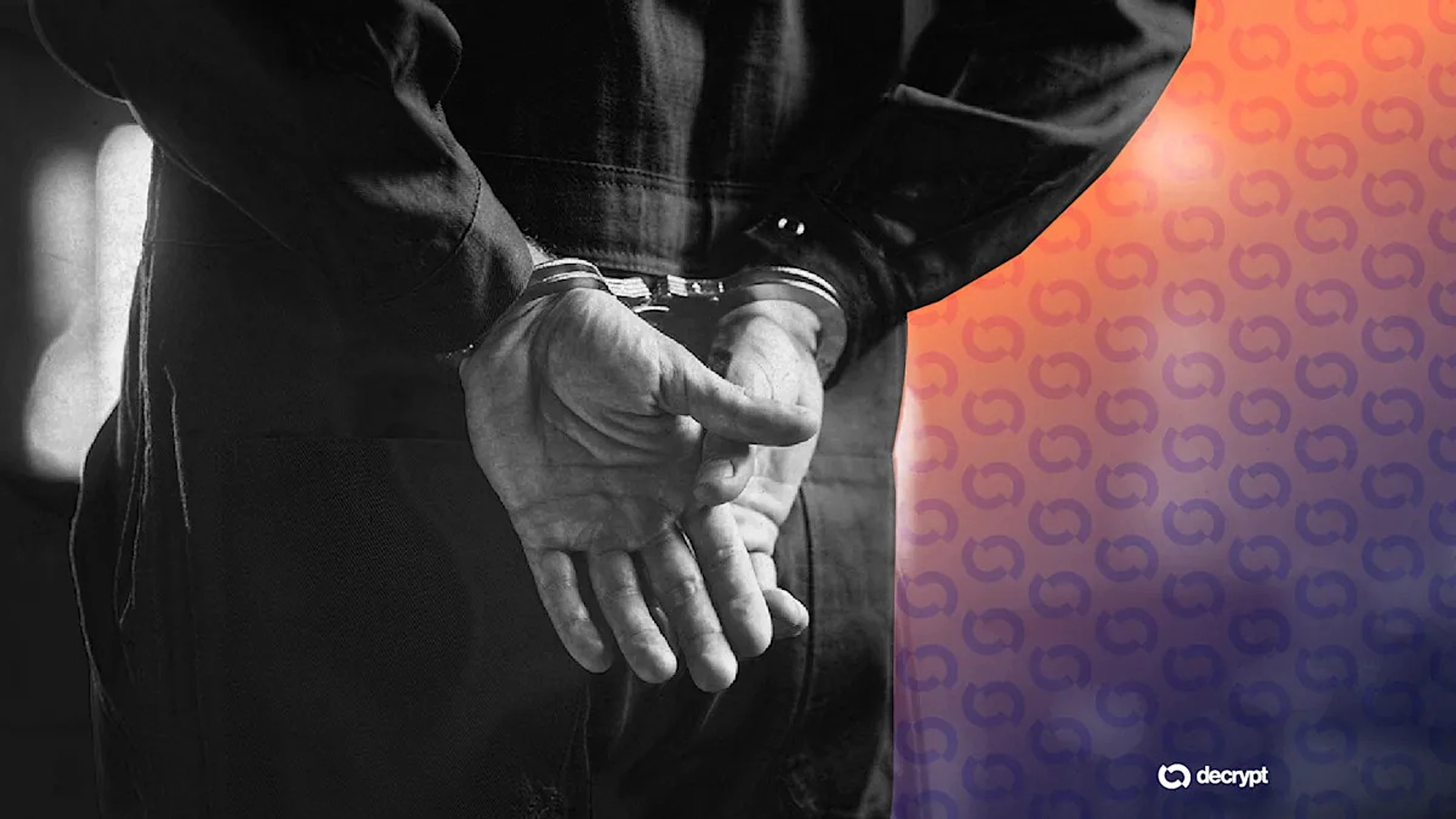
Olympic sprinter CJ Ujah, once celebrated for his blistering speed on the track, now finds himself entangled in a very different kind of race—one involving the law. British police have charged Ujah in connection with an alleged cryptocurrency fraud scheme that authorities say used impersonation calls to steal digital assets from unsuspecting victims.
The charges came down on April 29, when the U.K.'s Regional Organized Crime Units (ROCUs) executed coordinated raids across Kent, Essex, London, and Wakefield. In total, 10 individuals were charged with conspiracy to defraud. According to the agency, the suspects are believed to be part of an organized crime group that tricked victims through phone calls, with callers posing as police officers or representatives from cryptocurrency companies.
Victims were reportedly manipulated into sharing their wallet seed phrases—essentially the master keys to their crypto accounts. Once the scammers had those recovery phrases, they could restore the wallets and drain the funds. While authorities didn't specify which cryptocurrencies were targeted, one victim reportedly lost more than £300,000. Seed phrases are a prime target in phishing scams because they bypass all other security measures, making them the digital equivalent of handing over your bank vault combination.
All 10 suspects appeared in court on April 30. Three, including fellow British athlete Brandon Mingeli, were ordered to remain in custody until their next hearing on May 28. The other seven, Ujah among them, were released on bail pending further proceedings.
For Ujah, this legal trouble marks a stark contrast to his earlier career highlights. He shot to fame helping Great Britain win gold in the 4x100-meter relay at the 2017 World Championships—a race that also marked Usain Bolt's final competitive appearance. But his Olympic journey took a hit when he tested positive for prohibited substances at the Tokyo 2020 Games, resulting in a 22-month ban and the loss of the team's relay silver medal. Athletics authorities later determined that contaminated supplements were the cause. He returned to competition in 2024, but hasn't raced since April 2025.
The case is a sobering reminder that even elite athletes aren't immune to the rising tide of crypto-related crime. As digital currencies gain mainstream traction, so too do the scams designed to exploit them—often targeting everyday investors who trust the wrong voice on the other end of the line.