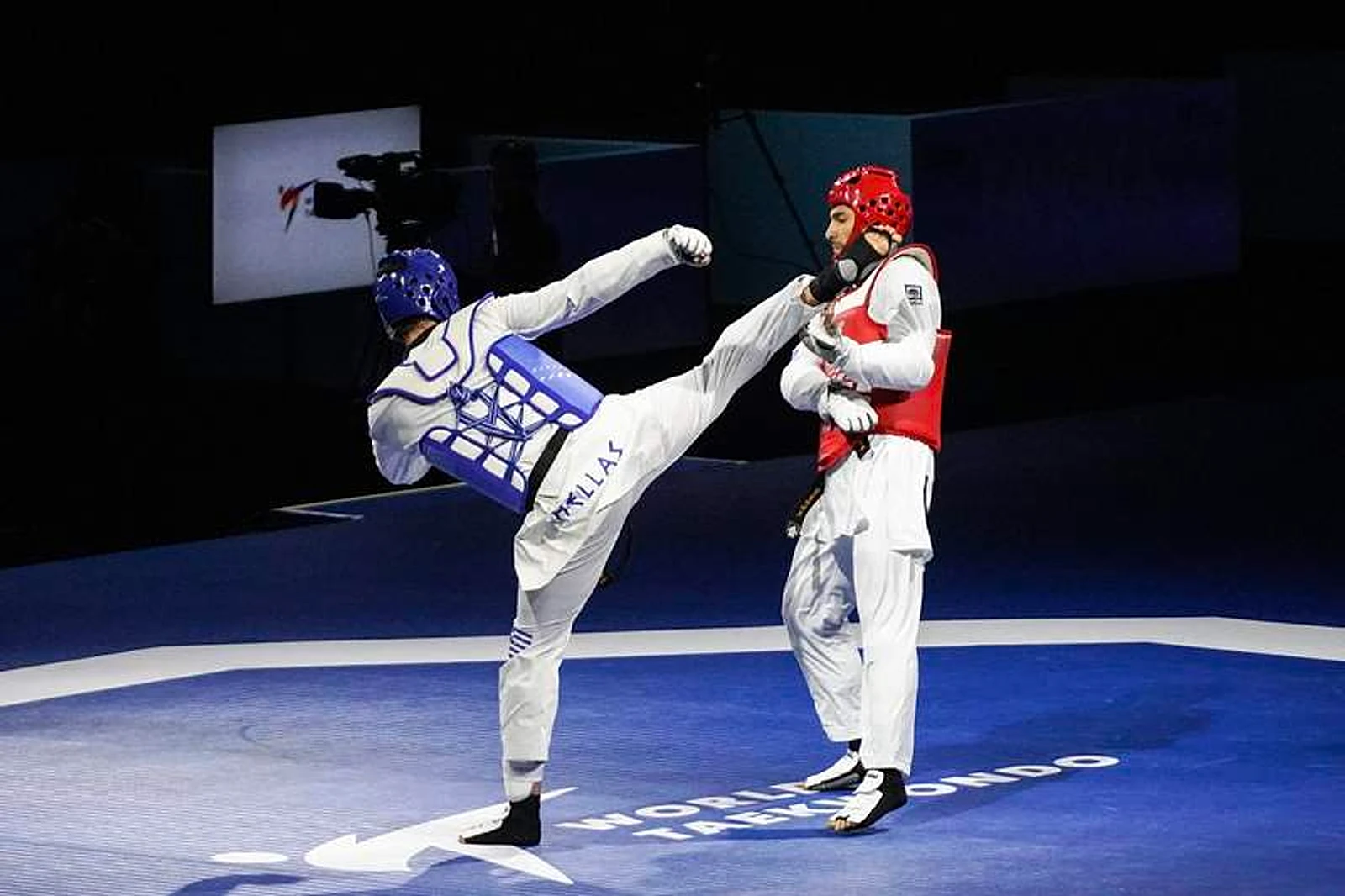
In a dramatic fall from grace, Brazilian taekwondo star Maicol Siqueira—who captured bronze in the men's +80kg division at the Rio 2016 Olympics on home soil—has been handed a two-year suspension for repeatedly failing to comply with anti-doping testing requirements.
Back in 2016, a then-23-year-old Siqueira was the embodiment of an Olympic dream, overcoming years of struggle while working two jobs to support his family. "It's a unique situation, it's a dream, there's no way to explain what it's like to be here," he said after that emotional podium moment. Now, that same athlete faces a very different headline.
On May 8, the International Testing Agency (ITA) confirmed Siqueira's suspension after he committed three "whereabouts failures" within a 12-month period. Under World Anti-Doping Agency rules, these repeated failures to provide accurate location information for out-of-competition testing are treated as an anti-doping rule violation—even without a positive drug test.
"Maicol de Andrade Siqueira has been sanctioned with 2 years of ineligibility for an ADRV under Article 2.4 of the WT Anti-Doping Rules," the ITA stated. The suspension runs from January 19, 2026, to January 18, 2028, and all his individual results from July 2025 onward have been disqualified. Siqueira did not challenge the ruling, though an appeal to the Court of Arbitration for Sport remains possible. It is unclear whether he was actively competing when the testing requirements were missed.
Siqueira's career extended well beyond that Rio bronze. He added a bronze at the 2019 World Championships, collected medals at the Pan American Games in 2019, and secured team gold in 2023. Each achievement kept him on the international taekwondo radar—until this suspension derailed his momentum.
Unfortunately, Siqueira is not alone in facing sanctions for whereabouts failures. Canadian pole vaulter Alysha Newman received a 20-month ban in 2025 for the same reason, and USA sprinter Fred Kerley was hit with a two-year suspension in March 2026.
For now, Siqueira has remained silent about the setback. The quiet around this heavy blow is especially poignant given the incredible journey he made to reach the Olympic podium. It's a stark reminder that in sports, discipline extends far beyond the mat.