Imagine this: the Arizona Cardinals, holding the coveted #3 overall pick, pull off a blockbuster trade with the Dallas Cowboys. In this scenario, Dallas moves up to secure a game-changing talent like running back Jeremyiah Love, while Arizona stockpiles picks. Suddenly, the Cardinals' draft strategy shifts dramatically. With immediate needs like a premier pass rusher or a lockdown corner suddenly addressed via the acquired capital, who becomes the target at their new spots, say #12 and #20?
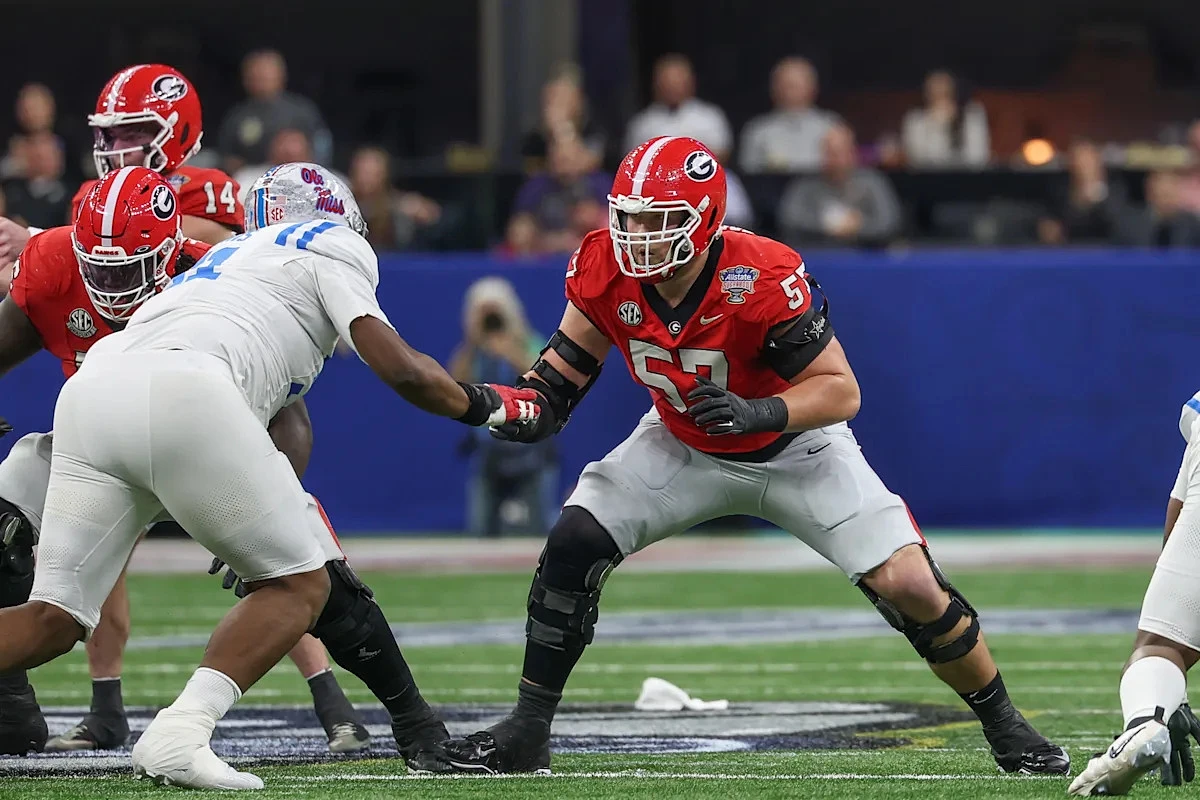
The focus could turn to fortifying the trenches. At #12, the Cardinals might be thrilled if a top-tier offensive lineman like Francis Mauigoa were to fall. Despite a clean bill of health from the NFL Combine, any lingering medical whispers could cause a slide, reminiscent of Laremy Tunsil's famous draft night fall in 2016. Snagging a potential franchise tackle in the mid-teens would be a massive win for Arizona's rebuilding effort.
Then, with the #20 selection, the Cardinals' board opens up even further. They could target a dynamic weapon for Kyler Murray, adding a versatile receiver or a tight end who can stretch the field. Alternatively, they might double down on defense, selecting a high-motor linebacker or a disruptive interior lineman. This trade scenario wouldn't just fill one hole; it would allow General Manager Monti Ossenfort to execute a multi-phase attack, building depth and adding multiple Day 1 starters to accelerate the team's competitive timeline.