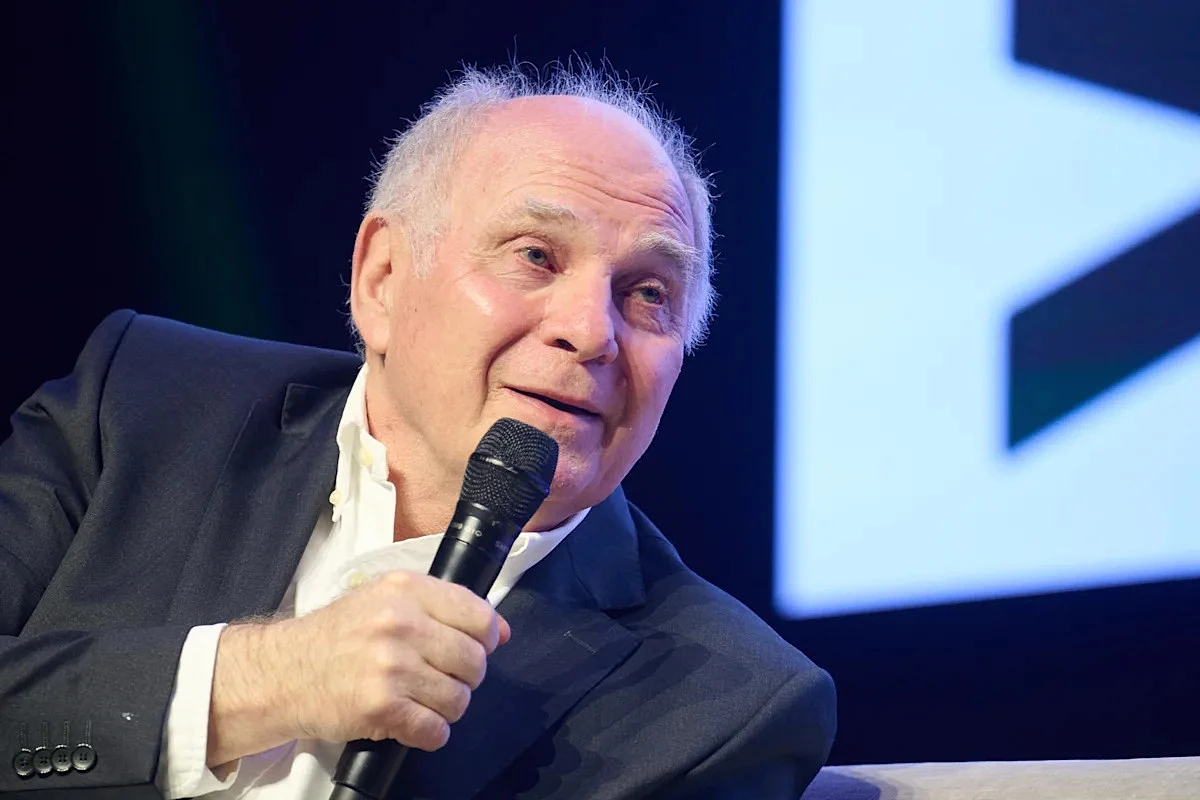
Bayern Munich has long been a model of consistency in European football, and according to club legend Uli Hoeneß, that success is built on a foundation of financial discipline and pride—not flashy outside investments.
"One of my life lessons is: Getting to the top is possible and relatively easy. But once you’re there, the air gets thinner, they pull at you, they want to tear you down," Hoeneß told FAZ, reflecting on the club's enduring stability.
While many top clubs rely on wealthy owners, state-backed funds, or massive debt to stay competitive, Bayern Munich operates differently. "No debt, no sheikh, no oligarch, no hedge fund. That’s what we can be proud of," Hoeneß said. He noted that even rivals like Real Madrid are curious about how the German giants maintain their edge without such resources.
This self-sustaining model has kept Bayern at the pinnacle of German and European football for years, with no major dips in performance. Hoeneß, along with fellow supervisory board member Karl-Heinz Rummenigge, has been instrumental in shaping this philosophy. But as both legends eventually step back, the question remains: who will carry the torch?
For fans, it's a mix of anticipation and anxiety. Yet one thing is clear—Hoeneß's legacy as a guardian of the club's identity is secure. "When I hear our competitors say, 'The economic advantage, the economic advantage' – don’t you think that Berlin, Hamburg, Frankfurt, and Stuttgart would have had the same conditions we found in Munich?" he said, challenging the narrative that Bayern's success is solely about money.
In a world of flashy takeovers and financial gambles, Bayern Munich stands as a testament to what smart management and tradition can achieve.