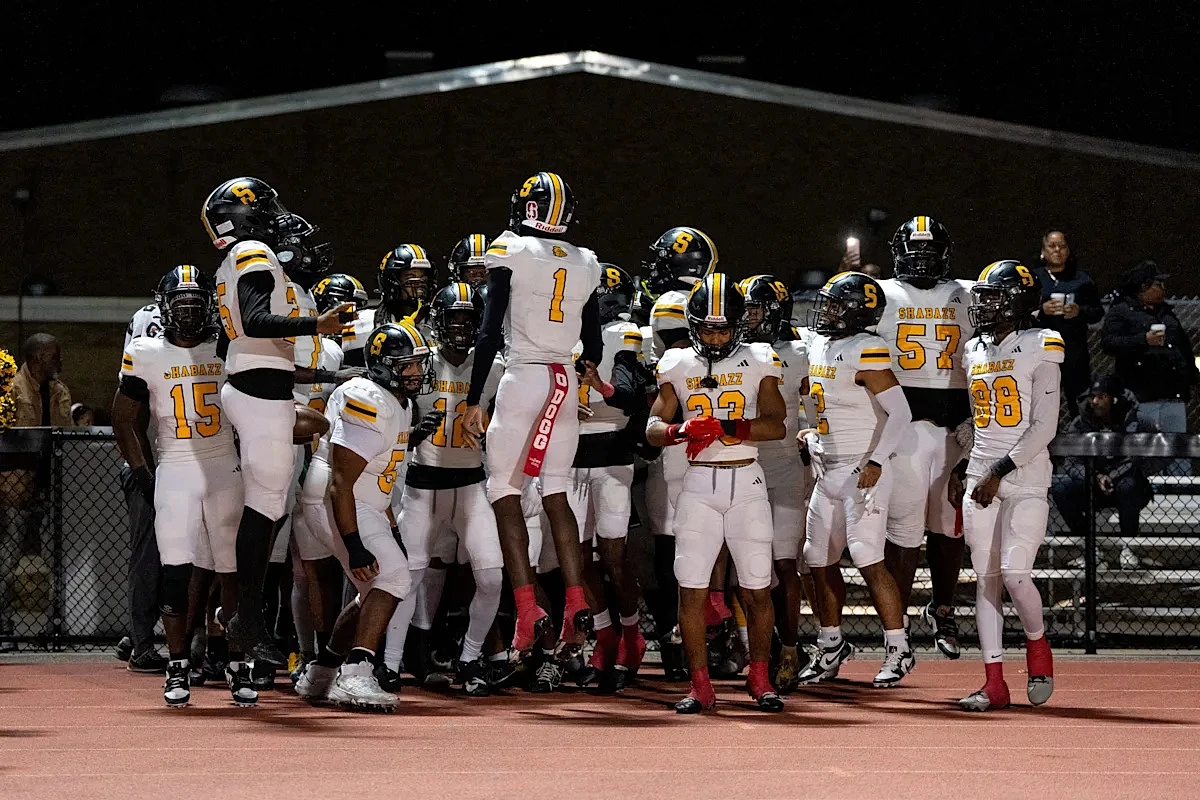
The New Jersey State Interscholastic Athletic Association (NJSIAA) found itself in the hot seat this week, as its new competitive balance policy came under fire from urban school districts and legal advocates. The policy, designed to create a more level playing field between traditional public schools with fixed geographic boundaries and "non-traditional" schools that can draw students from wider areas, has sparked a heated debate about fairness and equity in high school sports.
At the heart of the controversy is the competitive balance formula, which impacts schools like Shabazz and Camden—urban institutions that often serve low-income families and participate in school choice programs. Brenda Liss, legal counsel for the Newark Board of Education, didn't hold back during the NJSIAA Executive Committee meeting on May 13, calling the formula "arbitrary" and alleging it has a "disparate impact" on these districts. Under the new rule, non-traditional public schools that meet a certain success threshold in football and basketball can be moved up a group, effectively pitting them against larger or more resource-rich opponents.
Liss argued that only three schools—Shabazz, Camden, and Ramapo—have been moved up in multiple sports, all in football and boys basketball. "Why not have it apply to all other athletic programs like lacrosse?" she questioned, pointing out that the policy seems to single out these teams while ignoring other sports. She also emphasized that schools like Shabazz and Camden are already facing challenges, serving primarily low-income families, and that the policy "punishes teams that have enrollment standards reflecting our state’s policy like school choice."
However, the NJSIAA Executive Committee pushed back, defending the formula as a necessary tool to ensure competitive balance. One committee member asked Liss directly: Is it fair for a traditional Group 1 school with a locked geographic border to compete against a non-traditional school that can recruit from a much larger pool of athletes? The question underscores the core tension—while the formula may seem harsh, it aims to prevent powerhouse programs from dominating smaller, boundary-restricted schools.
Interestingly, Liss claimed that "no one would call Shabazz a football powerhouse," but the facts tell a different story. The Bulldogs have won three consecutive sectional titles and reached the Group 2 state final in both 2024 and 2025. Under the competitive balance formula, Shabazz will be bumped up to Group 3 for the 2026 playoffs—a move that reflects their recent success, even if it stings for the program and its supporters.
As the debate continues, one thing is clear: the NJSIAA is grappling with a complex issue that goes beyond wins and losses. For sports fans and apparel enthusiasts alike, this story is a reminder that the game isn't just played on the field—it's also shaped by the rules and policies that govern competition. Whether you're cheering for an underdog or a dynasty, understanding the system behind the scores adds a new layer to your game-day experience.