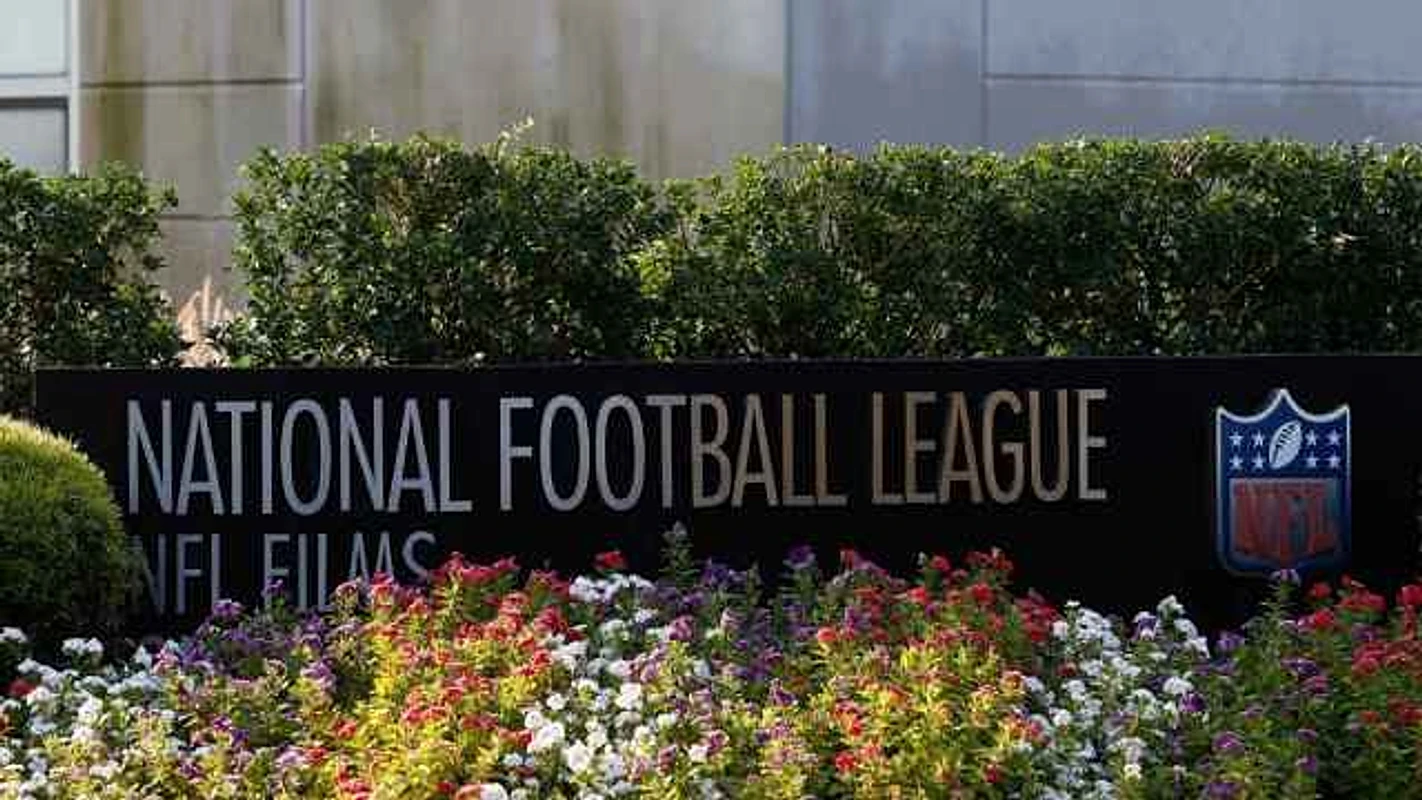
The NFL, a titan of American sports entertainment, is back in the legal spotlight. A new report reveals the U.S. Department of Justice has launched an investigation into the league's lucrative media rights deals, probing whether they stifle competition and ultimately drive up costs for fans.
At the heart of the inquiry is a critical question: do the NFL's television and streaming agreements violate antitrust laws? Federal officials are reportedly scrutinizing the practice of bundling broadcast rights and placing marquee games behind subscription paywalls. A government official framed the investigation as being "about affordability for consumers and creating an even playing field for providers."
This scrutiny follows longstanding criticism from lawmakers like Senator Mike Lee, who has urged a re-examination of the Sports Broadcasting Act of 1961. This decades-old law allows leagues to pool their broadcast rights for national deals, a model designed for a bygone era of network television. Lee argues the modern landscape—where games are simultaneously licensed to streaming platforms—has fundamentally changed, creating a more fragmented and expensive experience for viewers.
The result, critics say, is a financial hurdle for dedicated fans. To follow their team across all platforms last season, a viewer could have spent hundreds of dollars, with some estimates nearing $765 for full access. This comes as the NFL continues to rake in nearly $11 billion annually from its media partnerships.
In its defense, the league points to its broad reach. An NFL statement emphasized that its model is "the most fan and broadcaster-friendly," noting that "over 87% of our games are on free, broadcast television." It also cited record viewership in the 2025 season as evidence of its accessibility.
This isn't the first legal challenge to the NFL's media strategy. In 2024, a jury initially found the league violated antitrust laws with its "Sunday Ticket" package, though a judge later overturned that verdict. The DOJ's new probe signals that the debate over cost, access, and competition in sports broadcasting is far from over, a development that could reshape how every fan watches the game.