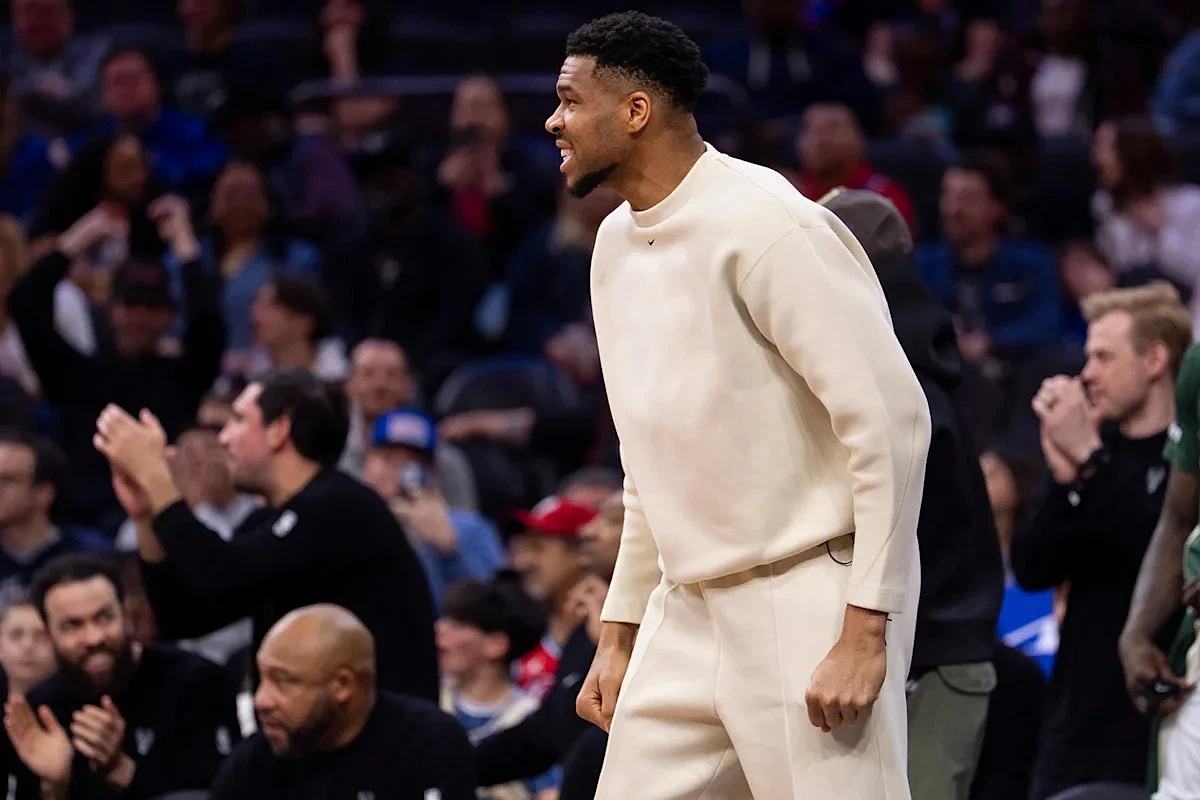
The NBA has officially closed its investigation into the dispute between Giannis Antetokounmpo and the Milwaukee Bucks, determining that no further action is necessary. This decision, shared by a source familiar with the matter, brings an end to a saga that raised questions about player health, team decisions, and league protocols.
The controversy began on March 15, when Antetokounmpo exited a win over the Indiana Pacers after an awkward landing on a dunk. The Bucks diagnosed him with a left knee hyperextension and bone bruise, sidelining him for the remainder of the season. However, the two-time MVP later stated he felt healthy enough to play, creating a rift with the team's medical staff and management.
"I did what I was supposed to do," Antetokounmpo said after Milwaukee's final game. "I wasn't able to come on the court. Who has that say? It comes from above. I thought I had control. This just shows me that players in general don't have control."
The NBA launched its investigation on April 4, with the National Basketball Players Association quickly weighing in. The union referenced Antetokounmpo's situation in a statement urging stronger anti-tanking measures, noting that "when an All-Star like Giannis Antetokounmpo is healthy and ready to play, he is on the court." The NBPA emphasized that "anti-tanking policies are only as effective as their enforcement" and called for "meaningful new proposals" to protect the integrity of the game.
For Antetokounmpo, this season was already a challenge. He missed significant time due to two separate calf strains, limiting his availability as the Bucks fought for playoff positioning. While the investigation is now closed, the incident highlights ongoing tensions between player autonomy and team medical decisions—a conversation that continues to shape the NBA landscape. For fans and athletes alike, the key takeaway remains: when health and competition collide, the rules of the game are still being written.