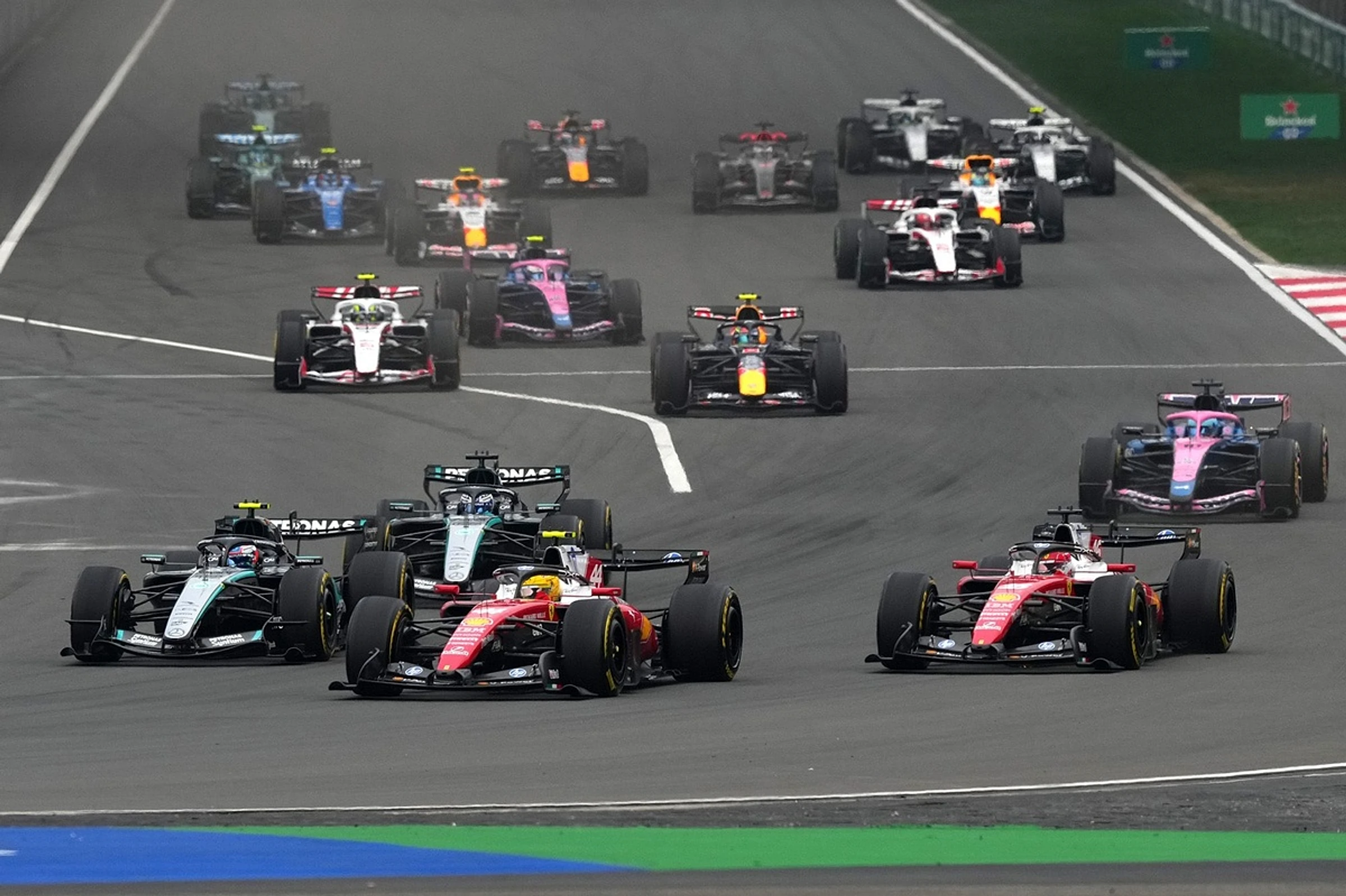
Naomi Schiff has raised serious concerns that the FIA's planned 2027 engine changes could place an unfair financial strain on smaller Formula 1 teams and manufacturers—just as the sport is trying to level the playing field.
The former W Series driver and current Sky Sports F1 analyst addressed the issue on the Up To Speed podcast, following the FIA's confirmation that engine hardware tweaks will be introduced in 2027. These changes aim to make driving "more intuitive" by shifting the power balance: a 50 kW increase for the internal combustion engine, paired with a matching reduction in electric power. This means the current near-50:50 split between combustion and electric will move closer to 60:40 in favor of the internal combustion engine.
While the adjustment is designed to improve driver feel and raceability, Schiff warned that the financial ripple effects could be severe—especially for smaller teams already operating on tighter budgets.
"It's a very good point," Schiff said when co-host Jolie Sharpe questioned why smaller teams should pay for what she called the "FIA's mistakes." Schiff highlighted that Audi, for example, entered F1 based on the promise of a 50:50 split—a promise that now appears to be shifting. "That's probably a tricky conversation and a very political one to have," she added.
From a financial perspective, Schiff noted that major manufacturers like Mercedes and Ferrari have already invested hundreds of millions—potentially billions—into developing these new engines. "You would probably expect a return on that investment in three to four years," she explained. "But if we go back to designing and all of that stuff, does that not have a massive financial impact, not just on the big teams, but particularly the smaller teams who also need to make changes to the chassis?"
Former F1 driver David Coulthard offered a counterpoint, arguing that the brand exposure from competing in the championship still makes the investment worthwhile, regardless of the rule changes. "Let's take a step back," he said. "We are in one of the most complex eras of F1 powertrains. The investment from Red Bull, Ferrari, Mercedes—it's billions. But the publicity these brands receive is unmatched."
As the 2027 regulations approach, the debate over cost, fairness, and competitive balance is only just beginning—and smaller teams will be watching closely.