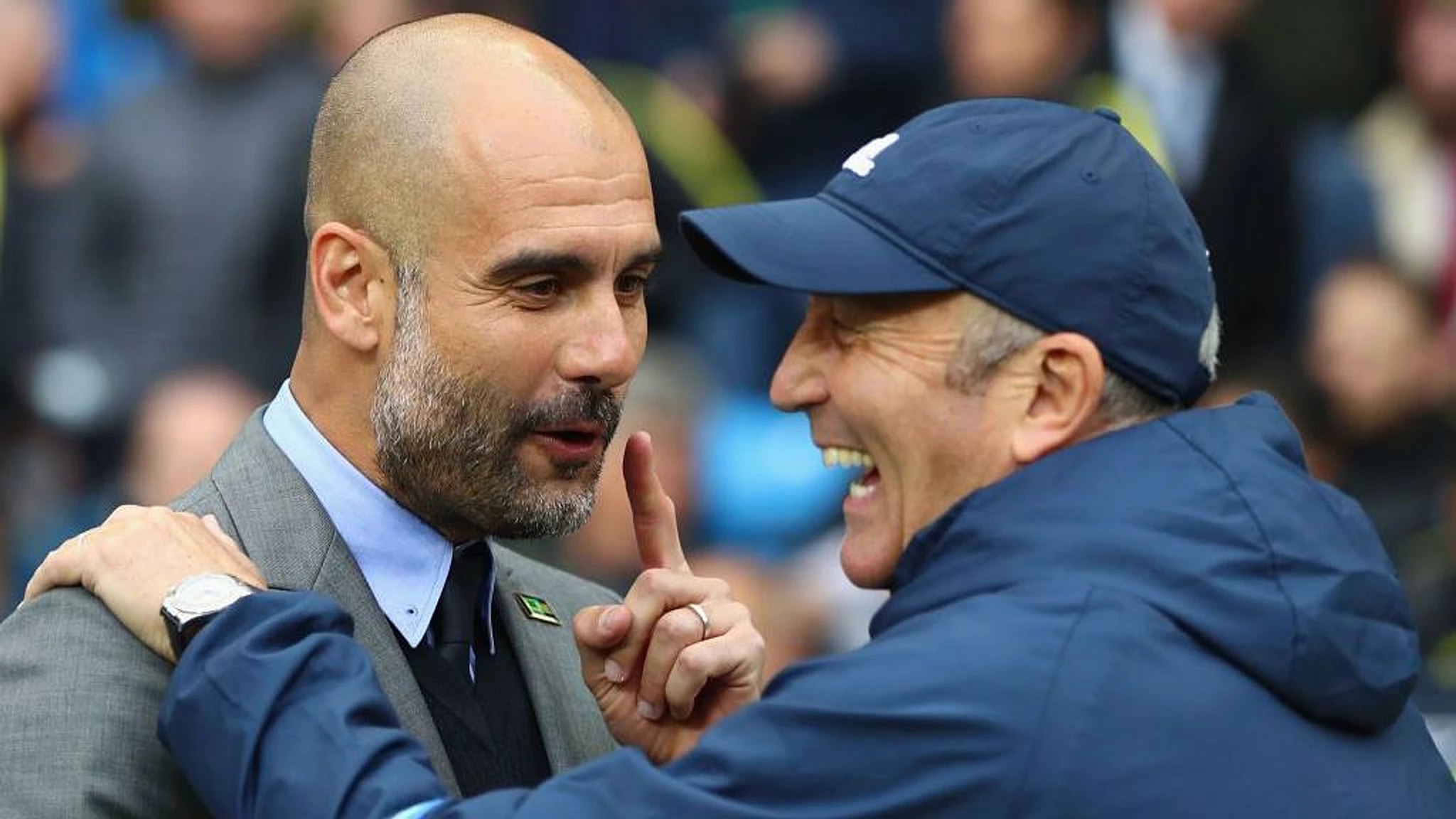
The Premier League is a notoriously cutthroat business, but for Tony Pulis, the real magic often happened after the final whistle. In a revealing look back at his storied managerial career, Pulis opens up about the unique tradition of post-match hospitality that allowed him to share quality time with some of football's greatest minds—including a memorable encounter with Pep Guardiola that gave him an insider's guide to Barcelona.
For years, Pulis made it a ritual at Stoke City to invite the opposing management team into the home side's room after every match. The spread was always generous: hot food from the same menu served in the boardroom, paired with a good measure of wine. "I always believed that providing good hospitality was important in such a cut-throat industry," Pulis explains. "It was a way for managers to mix and meet."
This tradition, he notes, was a staple of English football from top to bottom. In the lower leagues, it might have been nothing more than a bottle of beer and leftover sandwiches, but the camaraderie was just as meaningful. Once Stoke reached the Premier League, Pulis elevated the experience, setting up a communal table where his staff and the opposition could break bread together.
What Pulis discovered over three decades in the dugout was that this post-match ritual was uniquely British. "The British managers would always come in after the game, but we made a point of inviting the foreign ones too—and they always joined in." Among those who accepted the invitation was Pep Guardiola, the Manchester City mastermind whose tactical brilliance has reshaped English football.
Pulis recalls those moments with fondness, describing how Guardiola would share insights into his philosophy and offer a "guide to Barcelona" during their conversations. "He was always gracious," Pulis says, "and it was fascinating to hear his perspective."
Of course, Pulis's post-match gatherings weren't limited to Guardiola. He fondly remembers being welcomed into Sir Alex Ferguson's room at Old Trafford, where a glass of wine often accompanied lively debate. Even after Ferguson retired, the tradition continued. Pulis also shares a humorous anecdote about Ferguson's no-nonsense approach: when a United team bus driver once tried to hurry the legendary manager away after a match at Stoke, Ferguson's response was swift and unforgettable—exactly what you'd expect from a man who commanded respect on and off the pitch.
Jose Mourinho, too, earned Pulis's admiration. "He was always full on, but exceptionally gracious with me—win, lose, or draw," Pulis says. "My staff enjoyed his no-nonsense assessments of the games we played."
As the football world speculates about Guardiola's future beyond this season, Pulis's reflections serve as a reminder of the human side of the game. These post-match moments—where rival managers share a meal, a drink, and a mutual respect—are a tradition worth preserving. For fans and players alike, they underscore that football is about more than just tactics and trophies; it's about the connections forged in the quiet moments after the chaos of the match has subsided.