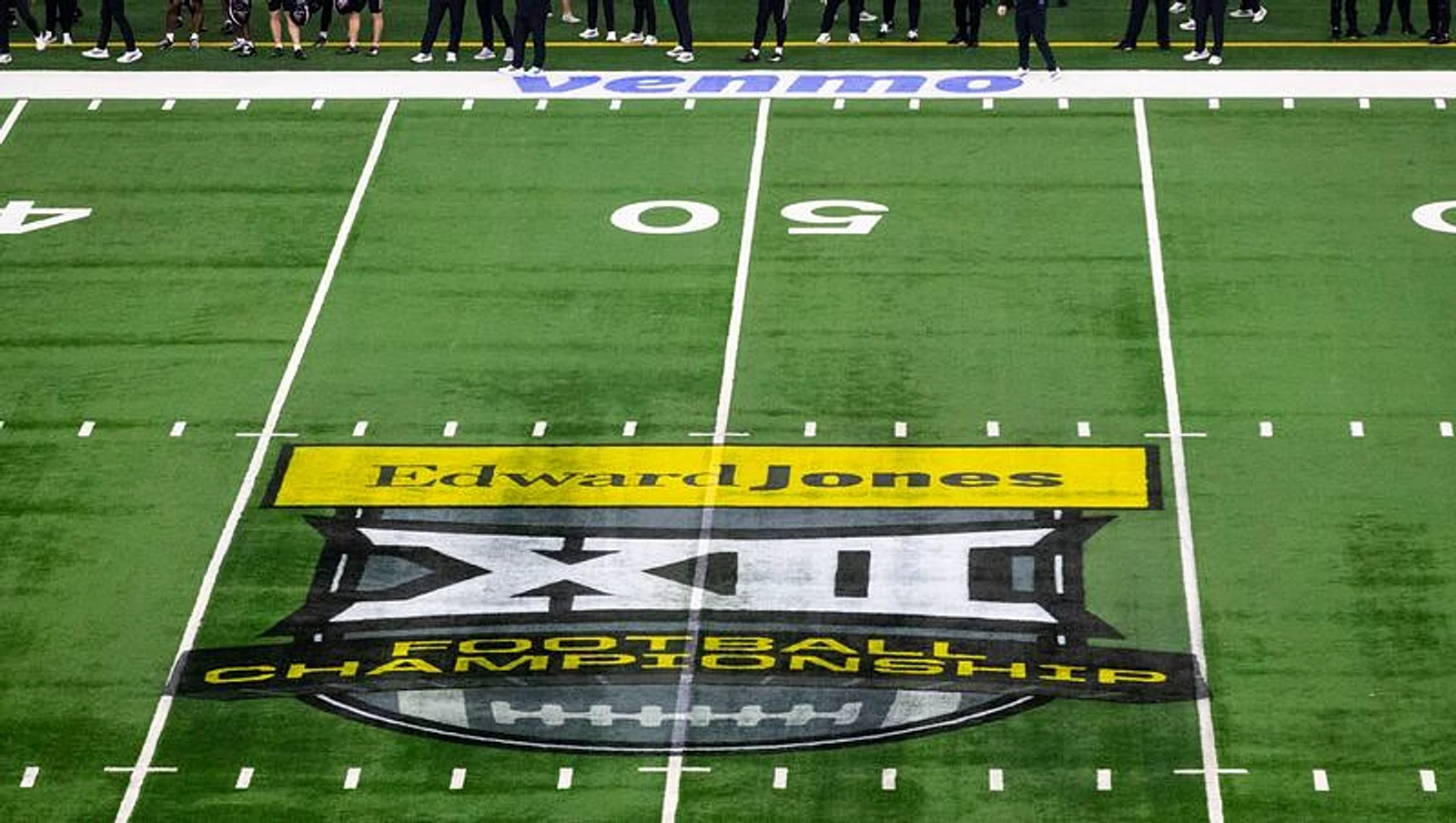
The Big 12 Conference's groundbreaking financial partnership with RedBird Capital Partners and Weatherford Capital is generating plenty of buzz—but so far, most member schools are passing on the big bucks. While the deal offers each institution access to a $30 million line of credit, the overwhelming sentiment across the conference appears to be "thanks, but no thanks."
At the conference level, the agreement brings an immediate $12.5 million capital infusion for reinvestment, plus a strategic partnership where RedBird will help source business deals for the Big 12. The individual credit option, however, is where things get interesting—and where most schools are hitting the brakes. According to Front Office Sports, no school has yet confirmed it will accept the offer, though they have a full year to decide.
So why the hesitation? The fine print reveals a trade-off: schools that take the money would see a portion of their annual conference distribution withheld for the private-equity firms under a fixed repayment schedule. For athletic directors already navigating tight budgets and shifting conference landscapes, that's a tough sell.
The list of schools publicly declining or deferring is growing. Texas Tech, Iowa State, and Colorado have all confirmed they're out. Baylor, Cincinnati, Houston, TCU, UCF, and West Virginia are playing it cool, telling local media they're holding off for now. Kansas and Arizona State remain undecided, leaving the conference scoreboard largely blank on this deal.
One of the most definitive statements came from BYU, where athletic director Brian Santiago left little room for interpretation: "I think we can reasonably say private equity will never be a part of the sports program at BYU. That's affirmative. That's something that everybody knows." Utah, meanwhile, had no comment on the credit line—though the Utes are already charting their own course with a landmark private investment deal with Otro Capital unveiled last December.
That Utah arrangement offers a fascinating alternative model. Under the plan, the University of Utah Foundation would create a for-profit company called Utah Brands & Entertainment, with the foundation as majority owner and Otro Capital as minority partner. The company would handle commercial operations like media rights, ticketing, concessions, and merchandise—while the athletic department maintains control over major decisions. It's a play that could inject hundreds of millions into the program without the same repayment strings attached to the Big 12's credit line.
For fans and apparel enthusiasts, this financial chess match matters more than you might think. How conferences and schools manage private capital will shape everything from stadium upgrades to merchandise partnerships to the gear you see on game day. As the Big 12 navigates this new frontier, one thing is clear: when it comes to private equity in college sports, most schools are still deciding which play to run.