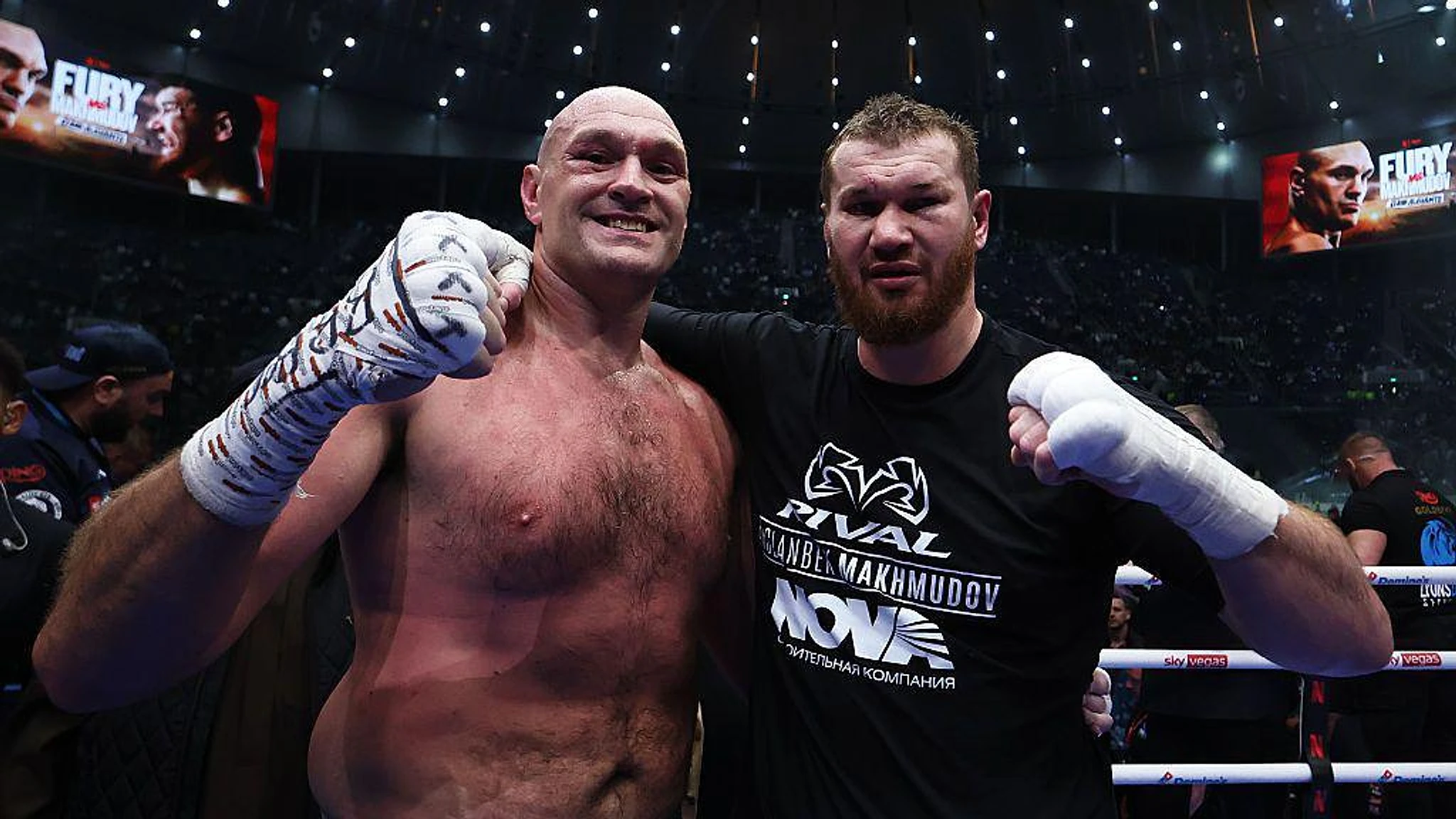
Tyson Fury's triumphant return to the ring wasn't just a victory; it was a massive television event. The Gypsy King's dominant 12-round performance against Arslanbek Makhmudov this past Saturday captivated an average audience of over five million viewers in the UK on Netflix, marking one of the most-watched fights in the country in the last ten years.
This impressive viewership highlights a significant shift in how fans consume boxing. For decades, the biggest fights have been locked behind pay-per-view barriers. Fury's Netflix debut, accessible with a subscription, brought heavyweight boxing back to a mainstream audience in a way not seen since the days of Frank Bruno and Barry McGuigan, whose historic bouts drew tens of millions on terrestrial TV.
The timing was no accident. The fight served as the perfect lead-in for the second season of "At Home with the Furys," which immediately shot to the top of Netflix's trending charts in the UK and Ireland. This strategy of pairing elite sport with behind-the-scenes reality content on a global platform is proving to be a game-changer for boxing's reach.
Netflix is quickly becoming a powerhouse for the sport, having already hosted major events like Anthony Joshua vs. Jake Paul and Katie Taylor vs. Amanda Serrano. This success has fans and pundits alike dreaming of the ultimate prize: a long-awaited showdown between Tyson Fury and Anthony Joshua, potentially streamed live on the platform. While a premature announcement from Netflix about an autumn date was incorrect, negotiations are ongoing, with iconic venues like London's Wembley Stadium in the discussion.
Fury's successful comeback has reignited the heavyweight division and demonstrated the massive appetite for accessible, high-stakes boxing. As the sport continues to evolve on streaming platforms, the potential for legendary matchups to reach a global audience has never been greater.