For decades, a significant gap existed between the college diamond and the Major League ballpark. MLB organizations often viewed NCAA baseball with skepticism, pointing to the use of metal bats, shorter schedules, and the belief that nothing could replicate the grueling education of the minor leagues. That chasm, however, is rapidly closing, and the convergence is reshaping how the sport develops its future stars.
The driving forces behind this shift are clear: increased investment and cutting-edge technology. With more money flowing into top college programs for facilities, coaching, and player development, the environment now mirrors professional systems. Advanced analytics, biomechanics, and year-round training regimens have accelerated player readiness, making the transition from campus to the pros smoother than ever.
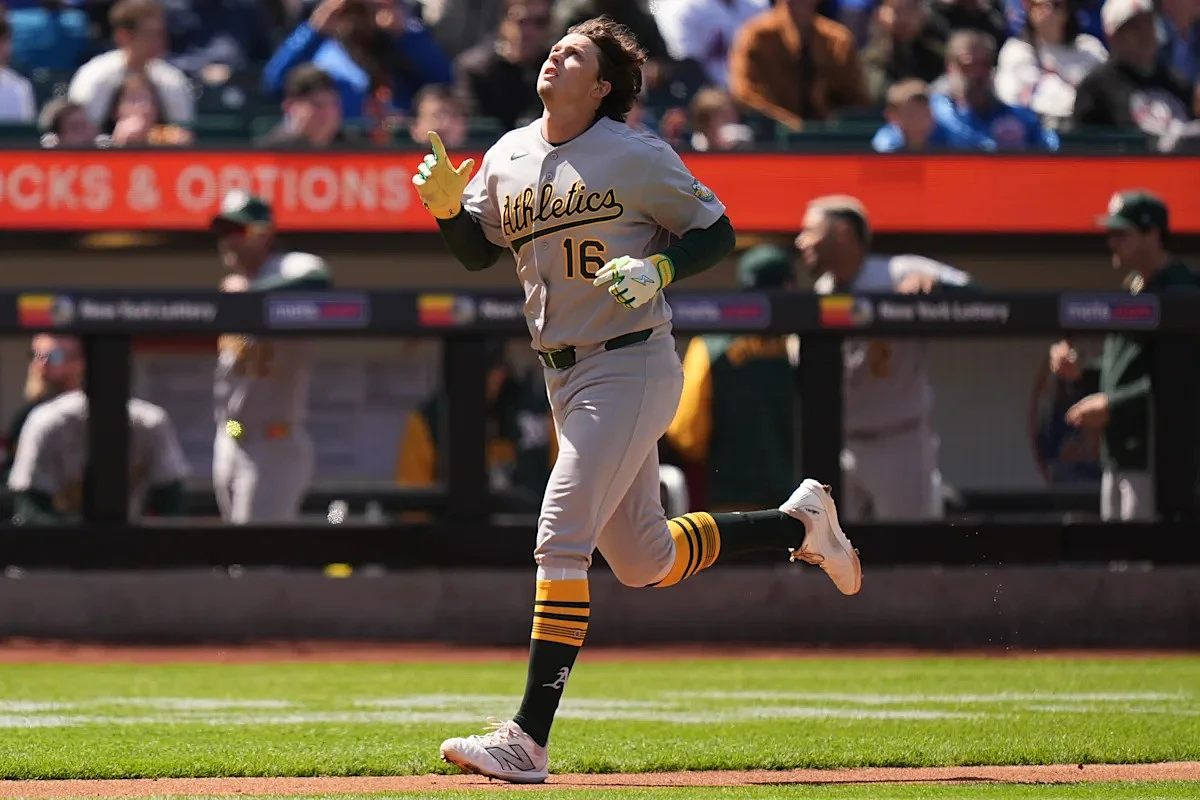
This evolution is evident in recent groundbreaking moves. Tony Vitello's hiring as manager of the San Francisco Giants—despite having no prior pro playing or coaching experience—marks an MLB first and signals a new respect for the high-level leadership cultivated in the NCAA. Similarly, the meteoric rise of players like Athletics slugger Nick Kurtz, who won the 2025 AL Rookie of the Year just a year after his decorated career at Wake Forest, underscores how pro-ready top college talent has become.
As former MLB veteran and current Arizona State coach Willie Bloomquist notes, "The college game has definitely taken a bigger step toward the pro game—mainly because of the almighty dollar. Essentially what’s happened, the Power 4 Conferences are basically the minor leagues."
This sentiment is echoed in front offices across baseball. Athletics GM David Forst, who drafted Kurtz, observed that the first baseman's minimal minor league seasoning—just 210 plate appearances—before dominating in the majors was once unthinkable. "There’s no doubt that top-level college baseball is High-A or Double-A now," Forst said. "The timeline is squashed because these guys are coming out of college so ready, so physically advanced."
For fans and players alike, this narrowing gap is thrilling. It means the stars you watch in the College World Series are closer than ever to becoming the stars you watch on MLB diamonds. It creates a more direct and exciting pipeline, where the skills, discipline, and competitive fire honed in the NCAA are immediately transferable to the highest level of the game.