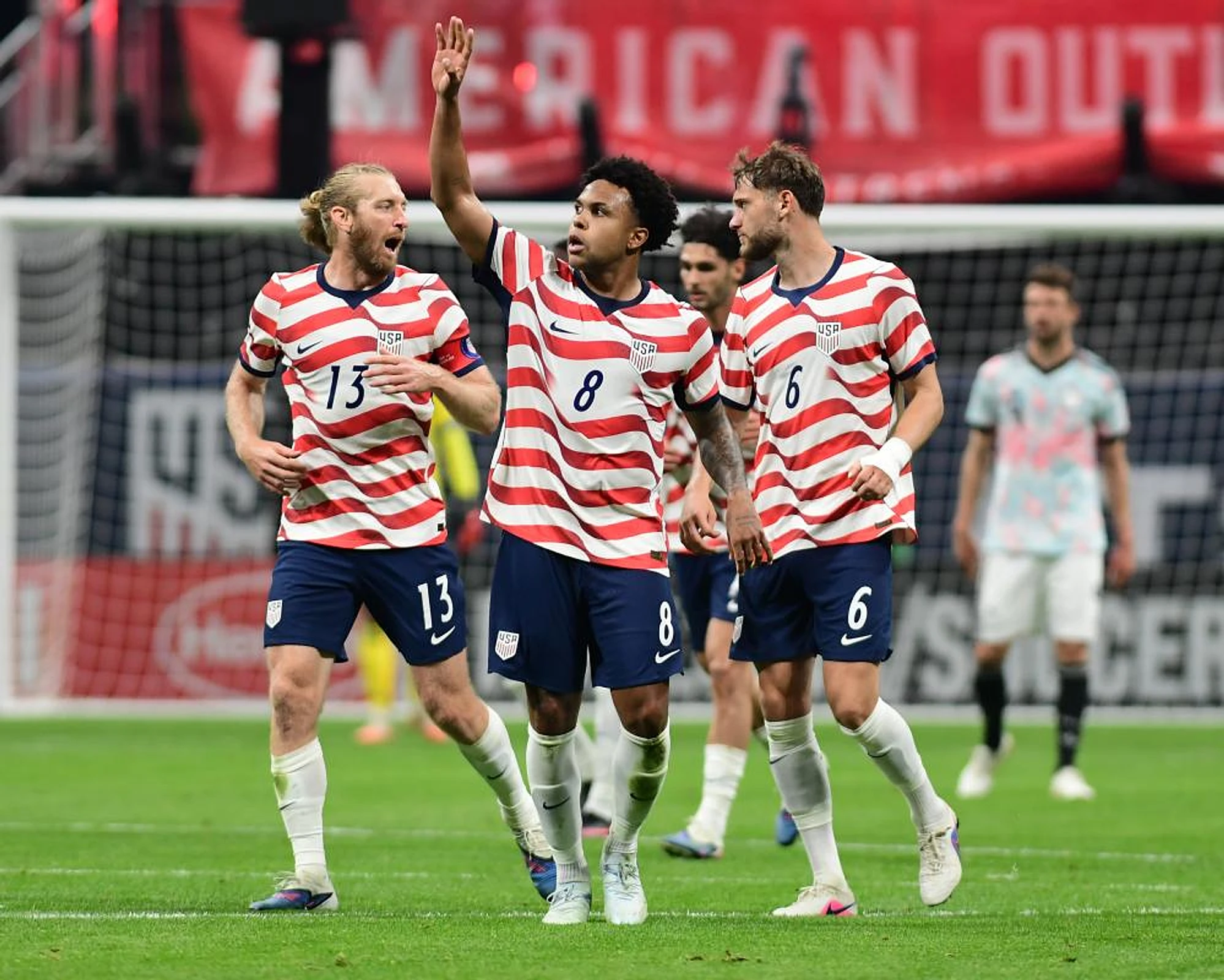
Major League Soccer's relationship with the U.S. Men's National Team has undergone a fascinating evolution. In the 1998 World Cup, a staggering 16 of the 22-man roster hailed from MLS, a deliberate strategy by the then-fledgling league to establish itself as the home for American talent. Fast forward to the 2022 tournament in Qatar, and the landscape had shifted dramatically. For the first time in MLS history, the USMNT started a World Cup match—their crucial group stage finale against Iran—without a single MLS-based player in the lineup.
This trend tells a compelling story of growth, not decline. The steady decrease in MLS starters for the national team—from an average of seven per game in 1998 to just one in 2022—reflects a seismic shift in the league's role within the global soccer ecosystem. No longer just a domestic holding pen for USMNT veterans, MLS has transformed into a world-class development platform. The league's massive investment in youth academies and its success as a selling league mean America's brightest prospects are now being polished in MLS before securing transfers to top European clubs.
While fewer MLS players may be starting in World Cup matches, the league's fingerprints are all over the roster. The current pipeline sees young American talents like Gio Reyna, Brenden Aaronson, and Weston McKennie using MLS as a critical springboard to Europe. This summer, the starting lineup on home soil will likely feature only a couple of MLS veterans, such as goalkeeper Matt Turner or defender Tim Ream, with most domestically-based players serving as depth. This isn't a sign of weakness; it's proof that MLS's development model is working, producing players whose talent demands a bigger stage and elevating the entire USMNT program in the process.