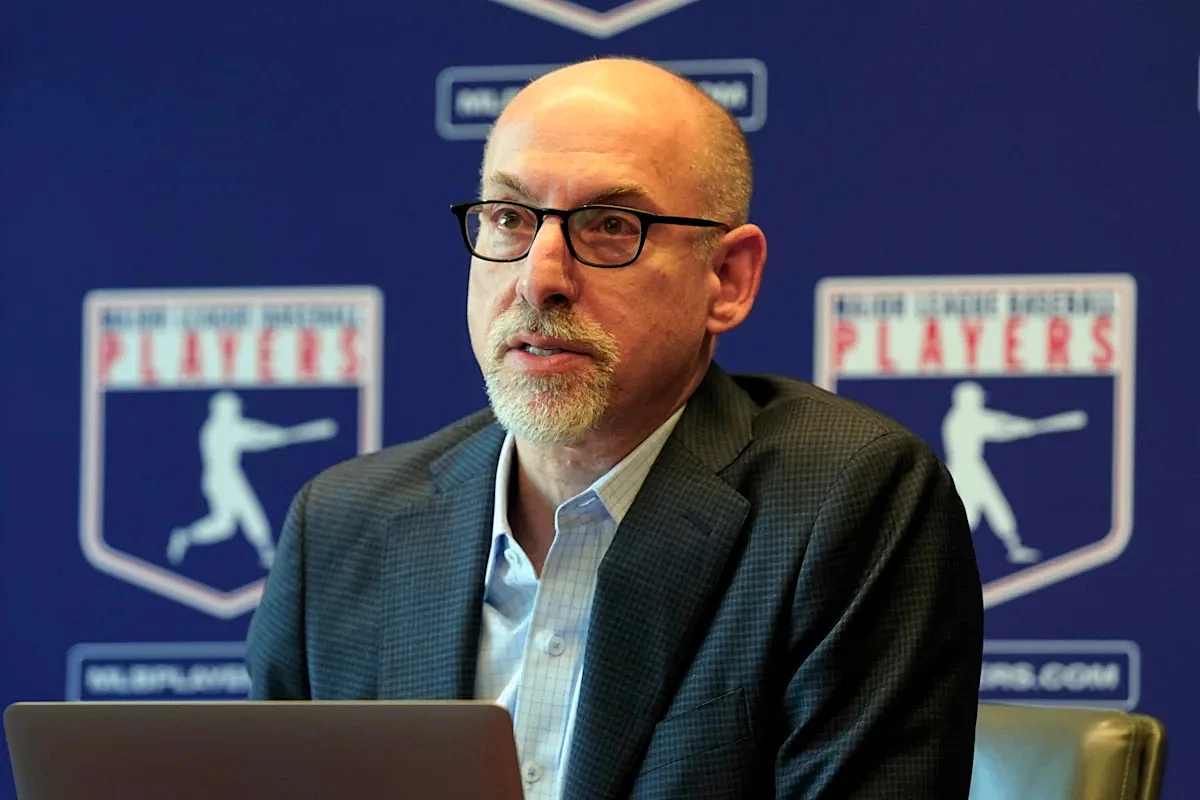
Baseball's labor clock is ticking, and the first pitch of negotiations has been thrown. Representatives for MLB players and team owners sat down Tuesday to begin collective bargaining talks, kicking off what promises to be a high-stakes negotiation seven and a half months before their current contract expires on December 1st.
The initial two-hour session took place at the MLB Players Association offices, just a short walk from Major League Baseball's headquarters in Manhattan's Rockefeller Center. This first meeting was all about laying groundwork—each side presented their views on the sport's health and economics, but no formal proposals were made yet. The real fireworks are expected when management likely pushes for a salary cap system, something the union has firmly vowed never to accept.
On the players' side, Mets infielder Marcus Semien—a member of the union's eight-man executive subcommittee—was in attendance alongside teammates Clay Holmes and Austin Slater. Additional players joined remotely via video conference, showing the union's commitment to having player voices at the table from day one.
For fans, the stakes couldn't be higher. Baseball hasn't lost regular-season games to a work stoppage since the devastating 7½-month strike in 1994-95 that canceled the World Series for the first time in 90 years. Commissioner Rob Manfred has been clear that management prefers offseason lockouts over in-season strikes, aiming to protect the regular-season schedule.
The last round of negotiations went down to the wire. Talks began in April 2021 but didn't conclude until March 10, 2022—just in time to preserve the 162-game season. At one point, Manfred announced the cancellation of 184 games, though those were eventually restored after last-minute bargaining.
Leading the union's charge is Bruce Meyer, who's stepped into the interim executive director role after Tony Clark's forced resignation in February. Meyer, who previously served as deputy director, was the lead negotiator during the 2021-22 talks and brings that experience to the table. Deputy commissioner Dan Halem will head negotiations for MLB.
As both sides settle in for what could be a long season at the bargaining table, one thing is certain: the outcome will shape the future of America's pastime—and what players wear while making history on the diamond.