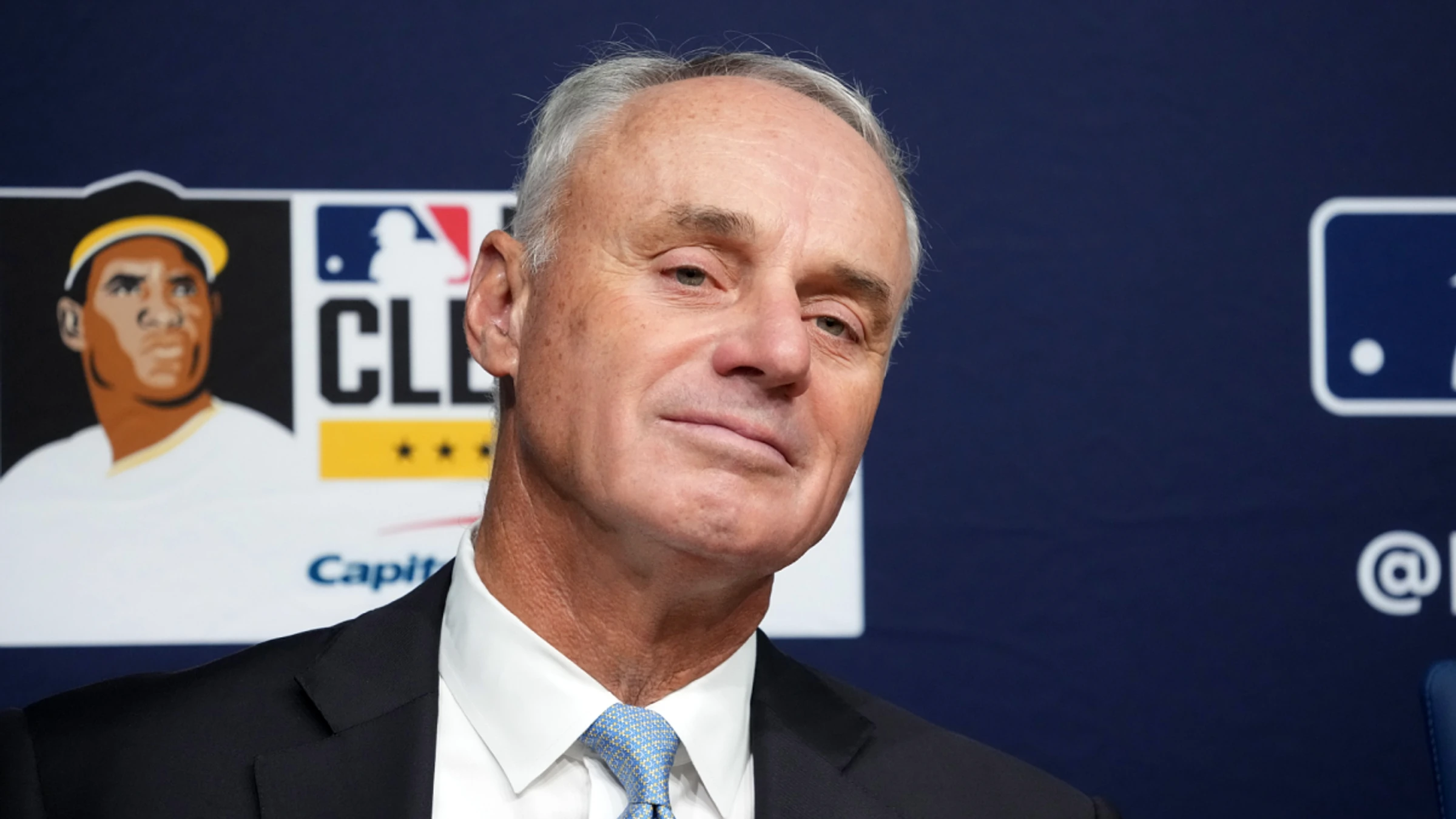
The clock is ticking on Major League Baseball's current labor agreement, and the stakes couldn't be higher for the game we love. With the current Collective Bargaining Agreement set to expire at 11:59 p.m. ET on December 1, MLB and the MLB Players Association have officially opened negotiations in New York—setting the stage for what promises to be a pivotal moment in baseball history.
While these initial meetings are more about each side presenting their vision for the sport's health, the real fireworks are still weeks away. Formal proposals and counterproposals will follow, but one issue is already emerging as the heavyweight bout everyone's watching: the salary cap.
For fans who follow the business side of baseball, this is familiar territory. MLB and team owners have been chasing a salary cap since the 1880s—yes, that's over 140 years of trying. The union has successfully resisted every time, and they're expected to do so again. But here's what you need to understand: this isn't really about competitive balance, no matter how MLB frames it. It's about money. A salary cap would restrict player salaries while boosting franchise values, and that's the real battleground.
Baseball remains the only major North American professional sport without a salary cap, and that distinction matters deeply to players. The union has consistently argued that a cap would limit earning potential and reduce player mobility. But even if the MLBPA were to budge—which is far from certain—implementing a cap would be incredibly complex. What counts as baseball-related revenue? What's the cap number? What's the minimum floor? How would it be phased in? The yes-or-no question is just the warm-up; the real fight is in the details.
Beyond the cap, several other major issues are on the table. The revenue-sharing program is almost certain to see adjustments, with or without a cap. The postseason format could be tweaked. An international draft remains a possibility. And then there's expansion—Commissioner Rob Manfred has made it clear he wants to get the wheels turning before his contract ends in January 2029.
It's easy to worry about work stoppages, especially with national television deals expiring in 2028. But here's a reason for cautious optimism: losing games would be terrible for business, and both sides know it. The 2022 lockout showed how much damage can be done, and neither MLB nor the union wants a repeat.
For now, we wait. But as baseball fans, we know the game is about more than what happens on the field—it's about the business that keeps the stadiums full and the jerseys on our backs. Stay tuned, because the next few months will shape the sport for years to come.