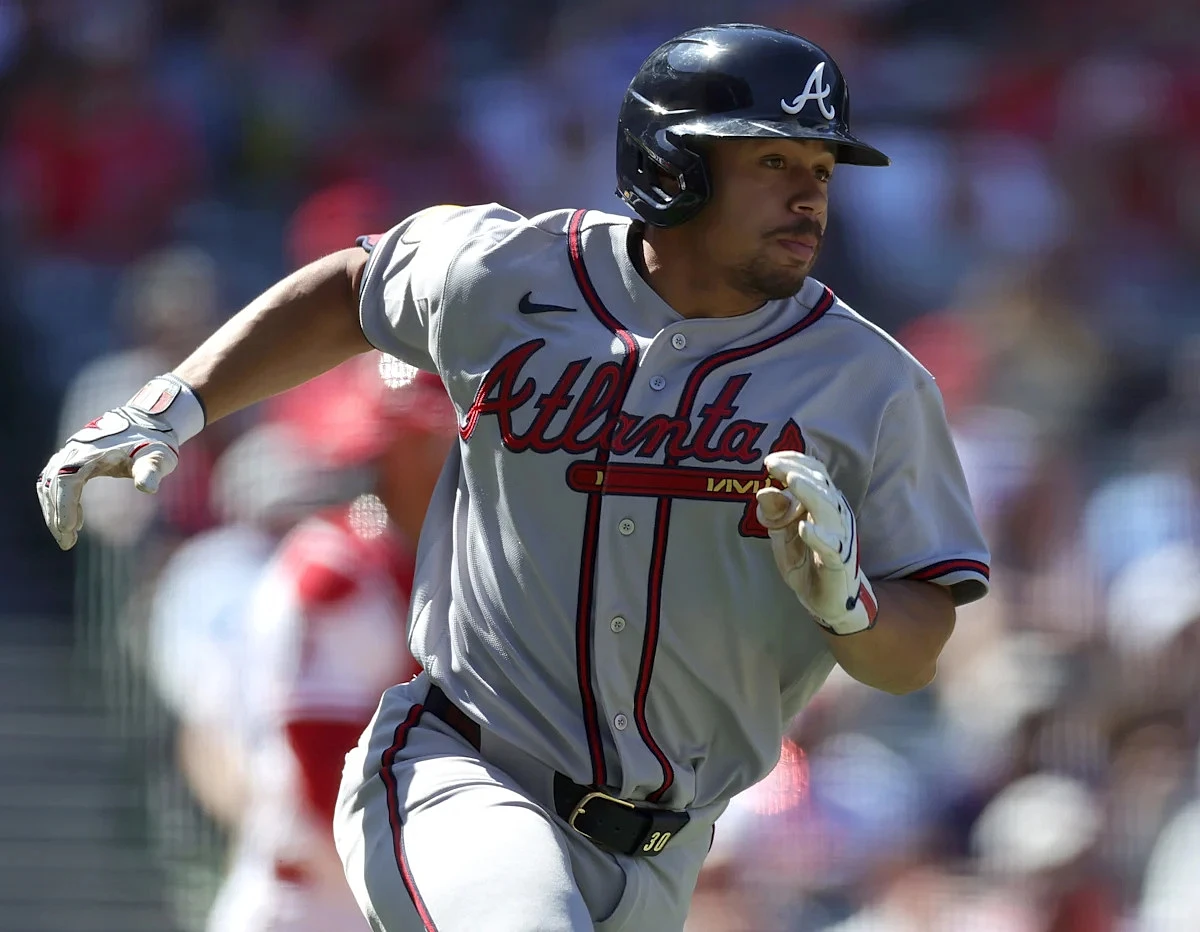
Major League Baseball is witnessing a hopeful, albeit gradual, shift. For the first time in roughly two decades, the percentage of Black players on Opening Day rosters has increased for two consecutive years, rising to 6.5% in 2024 from 5.7% in 2022. This comes after the league hit its lowest mark since 1955, signaling that long-term development efforts may finally be bearing fruit.
The league points to its youth academies, Breakthrough Series, and Dream Series as key drivers, with 20 of the 62 Black players having come through these pipelines. The future looks promising, as the demographic skews young—34 of these players are 27 or younger—and includes nine former first-round picks. This youth movement suggests the foundation is being laid for more sustained growth in the years to come.
However, significant challenges remain. A concerning six teams—the Chicago Cubs, San Francisco Giants, Boston Red Sox, San Diego Padres, Pittsburgh Pirates, and St. Louis Cardinals—began the season without a single Black player on their roster, double last year's number. Furthermore, 11 teams have one or fewer, a stark reminder of the work still needed to achieve broader representation.
Interestingly, two smaller-market teams are leading the way. The Minnesota Twins and Cincinnati Reds boast the most Black players, with six and five respectively. Together, they account for nearly 18% of all Black players in the majors. The Twins' group notably includes two Black starting pitchers, an area where MLB has specifically focused development through initiatives like the annual Dream Series for pitchers and catchers.
As the league prepares to celebrate Jackie Robinson Day, the data presents a complex picture: cautious optimism for a rising trend, tempered by the reality that true diversity requires deeper, organization-wide commitment across all 30 clubs. The path forward relies on these youth programs continuing to open doors and create a more inclusive pipeline to the big leagues.