We don't just watch men's and women's sports differently; we judge them by a different standard. This truth hit home for me recently, recalling a moment from over two decades ago when Orlando still had a WNBA team, the Orlando Miracle.
I covered a loss during a tough 2001 season—a game filled with turnovers, defensive lapses, and missed chances. In the world of men's sports, such a performance would typically draw a chorus of boos from a frustrated crowd. But as the Miracle walked off the court that night, the fans stood and applauded.
There were no angry chants, no calls for the coach's job, just genuine appreciation. One fan even asked, "Boo our own team? Why would we want to do that?" At the time, I found it refreshing. The support felt loyal, almost protective, free from the cynicism and entitlement often seen elsewhere.
In men's sports, fandom carries a sharper edge. Poor play is met with vocal criticism because fans demand excellence and hold athletes accountable at the highest level. It's a tough love rooted in sky-high expectations.
For women's sports, the tone is often more respectful and supportive, which is positive. But there's a risk: that very respect can sometimes mask lower expectations. When we hesitate to criticize or demand more, are we unconsciously treating women's athletics as something fragile to be nurtured rather than competitors to be scrutinized?
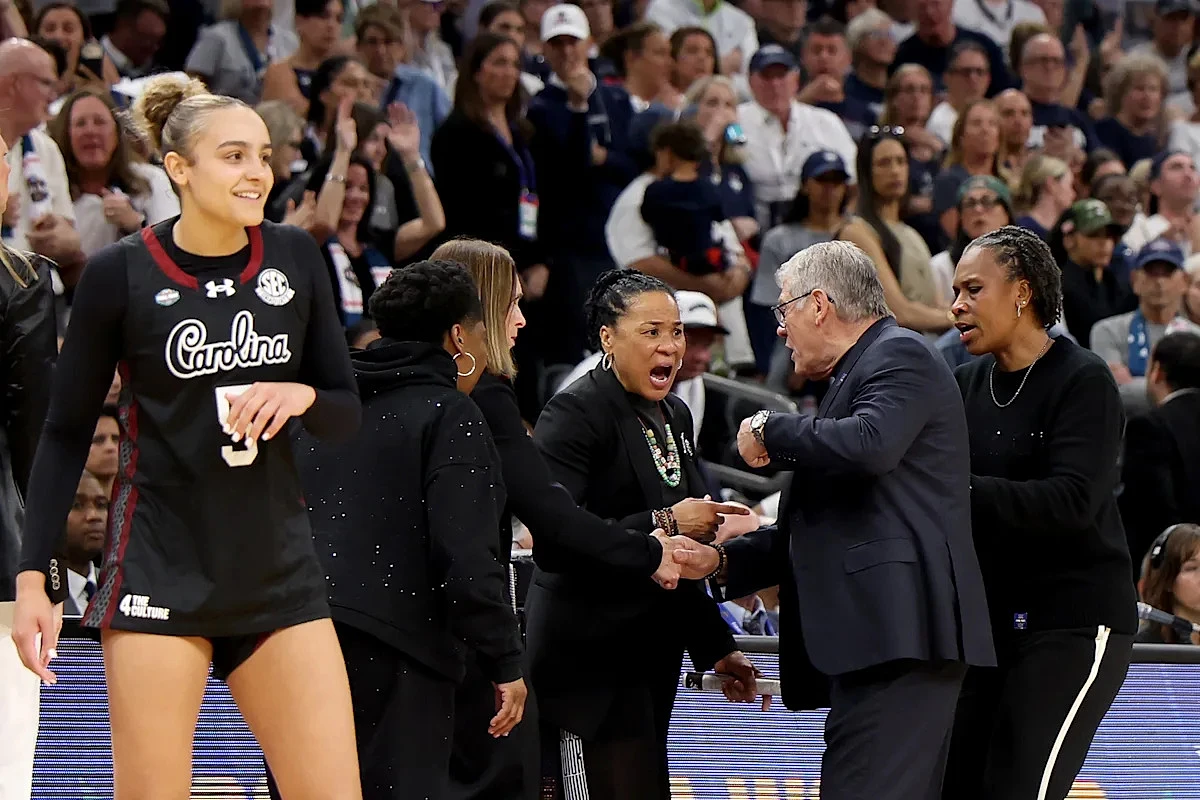
This brings to mind UConn coaching legend Geno Auriemma. After his team's recent Final Four upset by South Carolina, Auriemma had a heated post-game exchange with Gamecocks coach Dawn Staley—a moment he later admitted wasn't his best. But that intensity, that raw competitive fire, is exactly what fuels elite sports. It's a reminder that women's basketball, and women's sports at large, operate at a pinnacle of skill and passion where every play matters.
The conversation is shifting. With rising viewership, groundbreaking NIL deals, and stars who are household names, women's sports have never been more prominent. The next step is to engage with them fully—to celebrate the victories passionately and analyze the setbacks critically, just as we do in men's sports. That's not being harsh; it's a sign of ultimate respect. It means we see these athletes not as participants in a niche category, but as the elite competitors they are. When we stop treating women's sports as fragile and start treating them as formidable, everyone wins.