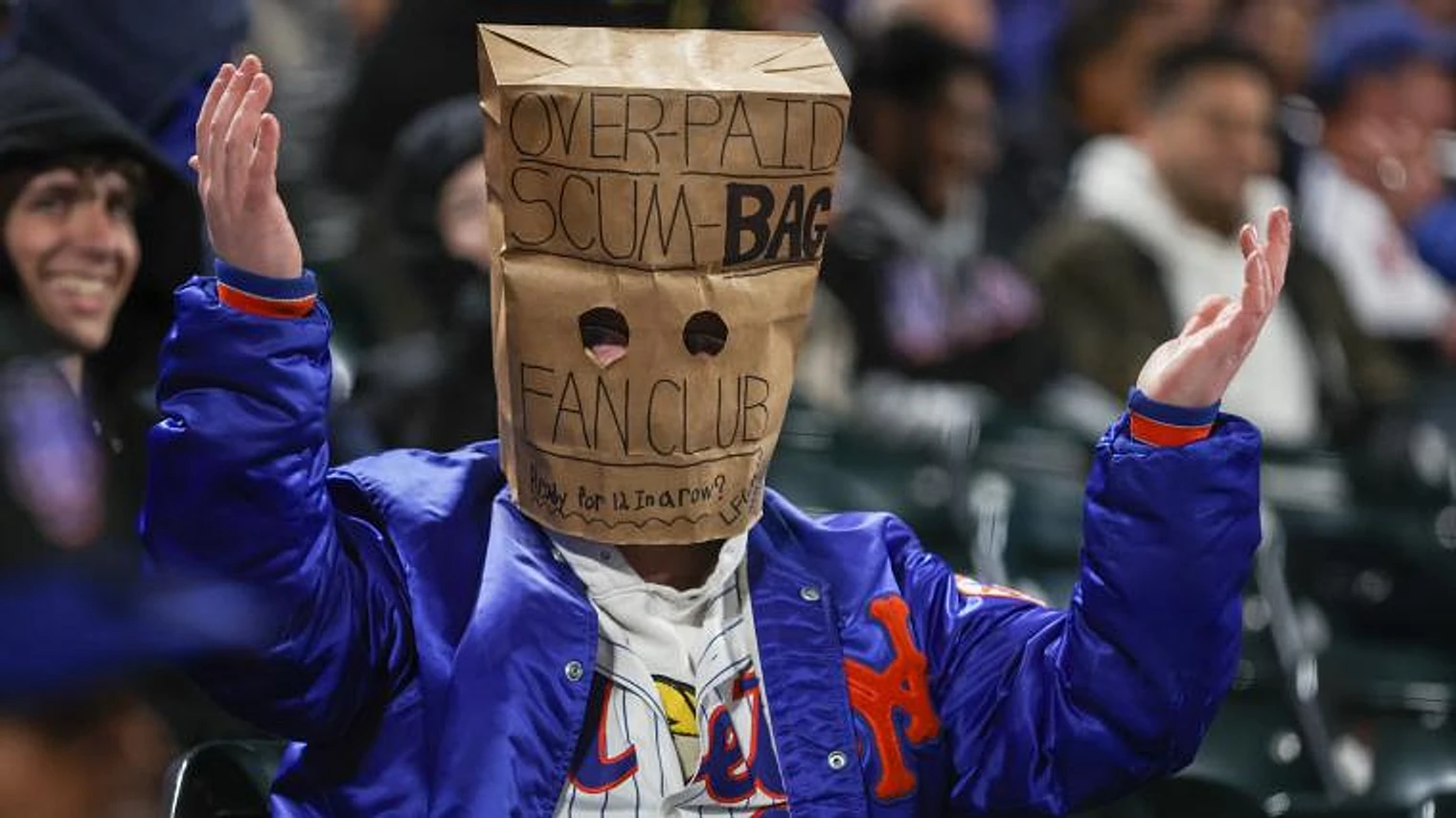
The New York Mets entered the 2026 season with sky-high expectations after a blockbuster offseason, but the results so far have been anything but promising. Sitting in last place in the NL East, the team's sluggish start has fans and analysts alike pointing fingers—and one of the biggest targets is their prized $126 million offseason acquisition.
Coming off a winter where they missed out on superstar Kyle Tucker, the Mets pivoted quickly, signing two-time All-Star infielder Bo Bichette to a three-year, $126 million deal. The plan was clear: Bichette would handle the transition to third base while his bat provided the offensive spark the lineup needed. Instead, his production has been so underwhelming that many are now calling him a "black hole" in the order.
Through the early part of the season, Bichette is slashing just .222/.269/.290 with only two home runs and 16 RBI. Those numbers are a far cry from the All-Star form that made him one of the most coveted bats on the market. When a player of his caliber—healthy and playing every day—produces at this level, it creates a ripple effect that drags down the entire offense.
According to USA Today's Bob Nightengale, if the Mets' struggles continue, they could become one of the most intriguing sellers at the trade deadline. "This is why the Mets soon may be the center of attention once they realize that this season is a lost cause," Nightengale wrote, noting that New York possesses three of the top trade chips in the game: starters Freddy Peralta and Clay Holmes, and infielder Bo Bichette.
Of course, trading Bichette is easier said than done. His massive contract makes any deal complicated, and the Mets would likely have to eat a significant portion of the salary to move him. But with the season slipping away and the offense in desperate need of a jolt, the front office may have to consider the unthinkable: cutting ties with their marquee signing before he even settles in.
For now, Mets fans can only hope that Bichette finds his stroke before the trade deadline chatter becomes a reality. In a division as competitive as the NL East, every game matters—and right now, the Mets are running out of time to turn things around.