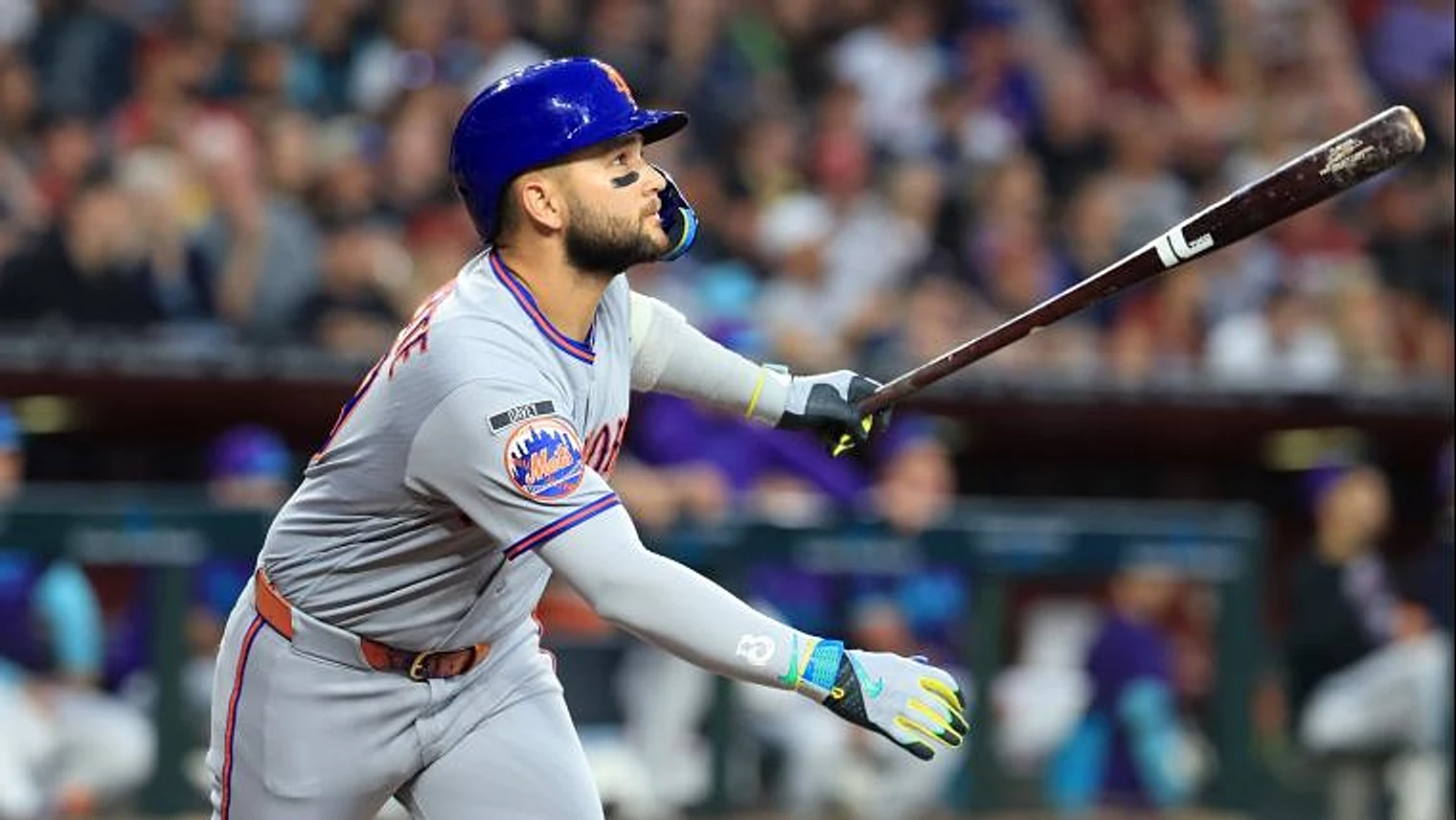
When Bo Bichette left the Toronto Blue Jays for the New York Mets, the signing made headlines for all the right reasons. The contract was a blockbuster: three years, $126 million. That's $42 million per season, a figure reserved for the game's elite. But buried in the fine print was an opt-out clause after the first year — a safety net that gave Bichette the chance to test free agency again if he performed at an All-Star level.
Fast forward to the 2026 season, and the script has flipped in a way no one saw coming. Bichette was supposed to use this year as a springboard, playing for $42 million, then opting out to chase a longer, even richer deal. Instead, he's hitting just .222 with a .559 OPS — numbers that don't exactly scream "bet on yourself."
ESPN's Kiley McDaniel put it bluntly: "I don't think Bo Bichette is on track to opt out of his deal." And that changes everything for both sides.
Opt-out clauses are designed for stars who believe their value will only go up. Bichette and the Mets likely agreed to this structure with the expectation that he'd play well enough to command a massive, multi-year deal elsewhere. The Mets, for their part, were willing to pay a premium over three years but not necessarily commit to five. If Bichette thrived, he'd walk; if he struggled, he'd stay. It was a calculated risk.
Now, the calculation looks different. Bichette's struggles at the plate mean he's almost certainly staying put, collecting the remaining $84 million on his contract. For the Mets, that's a hefty price tag for a player who isn't producing. For Bichette, it's job security — but not the kind he envisioned when he signed.
This isn't how anyone planned it. The Mets thought they were getting a short-term superstar who might leave. Bichette thought he'd be using New York as a launching pad. Instead, they might be stuck together, navigating an awkward reality where a $126 million deal feels more like a trap than a triumph.
In baseball, the best-laid plans often go sideways. This one is no exception.