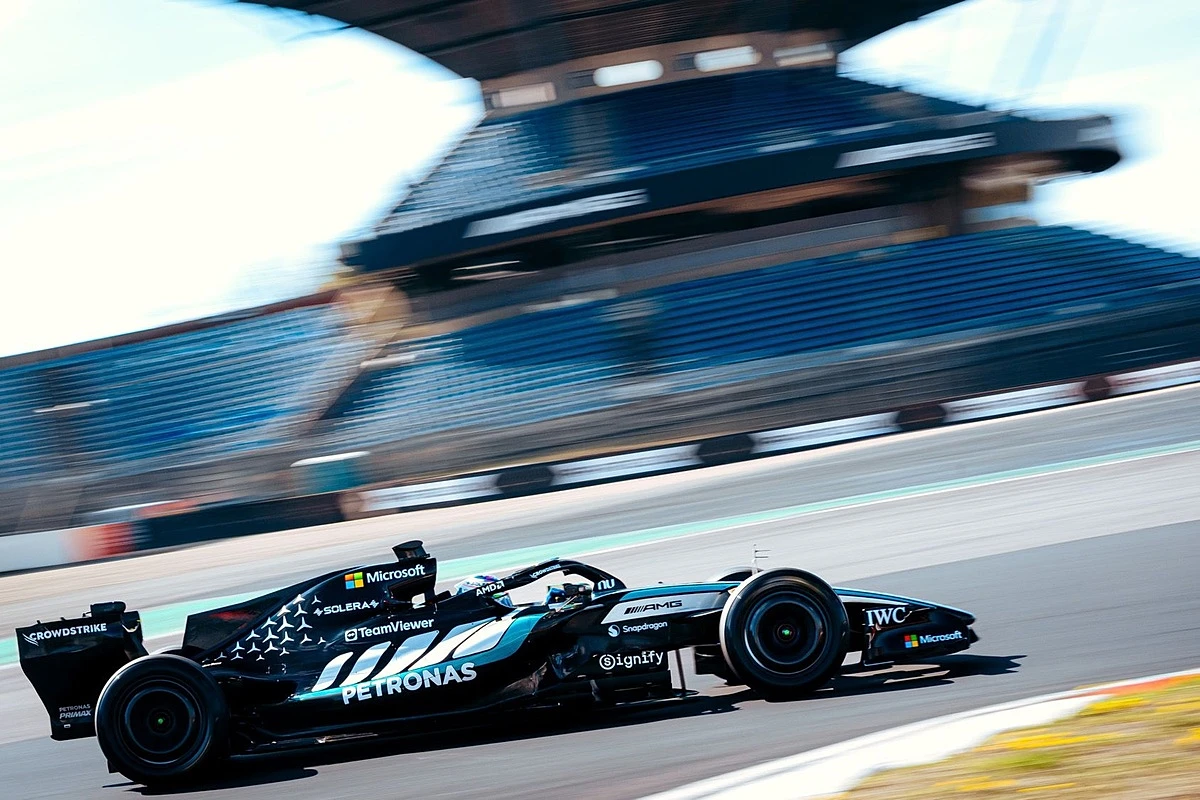
The future of Formula 1 is already on track. This week, the paddock's attention turned to development as Mercedes, McLaren, and Alpine put their 2026-spec machinery through its paces, offering a thrilling glimpse into the next generation of racing.
Mercedes and McLaren were particularly busy, participating in a crucial Pirelli tyre test at the legendary Nürburgring. All four race drivers were in action, logging vital miles for the sport's sole tyre supplier. The focus was on evaluating the C3 compound—the medium in Pirelli's range—though softer options were also tested, providing critical data for future development.
The test was a marathon of laps and learning. On Tuesday, George Russell completed an impressive 127 laps for Mercedes, while McLaren's Oscar Piastri managed 65 due to a technical gremlin. The following day, championship leader Kimi Antonelli (109 laps) and Lando Norris (108 laps) took over, demonstrating the relentless pace of F1 development even during a break from the race calendar.
For drivers like Norris and Russell, it was a nostalgic return to a classic circuit they haven't raced on since the 2020 Eifel Grand Prix. "It's been a while since we've driven here," Norris remarked. "It's great to get back out on track... and it's cool to be able to drive it in this era of Formula 1 cars." He emphasized the value of such sessions, noting they provide "learning opportunities which are useful as we look to push forward this season," even when not testing team-specific upgrades.
Piastri echoed the sentiment, highlighting the unique challenge of the Nürburgring's old-school layout. "It's still nice to experience such a unique circuit again," he said. "The Nürburgring is an old-school track with the kerbs and run-offs, which makes it more rewarding." His comments underscore how these tests blend future-focused development with the pure, driving challenge that defines the sport.
While the immediate goal was tyre data for Pirelli, these runs are about more than just rubber. Every lap in the 2026 cars helps teams refine their understanding of the upcoming radical regulation changes, from new power units to revised aerodynamics. For fans, it's an exciting preview of the technological arms race to come, where every detail—from chassis design to driver feedback—will define the next era of speed. The work for 2026 has officially begun, and the race for the future is already heating up.