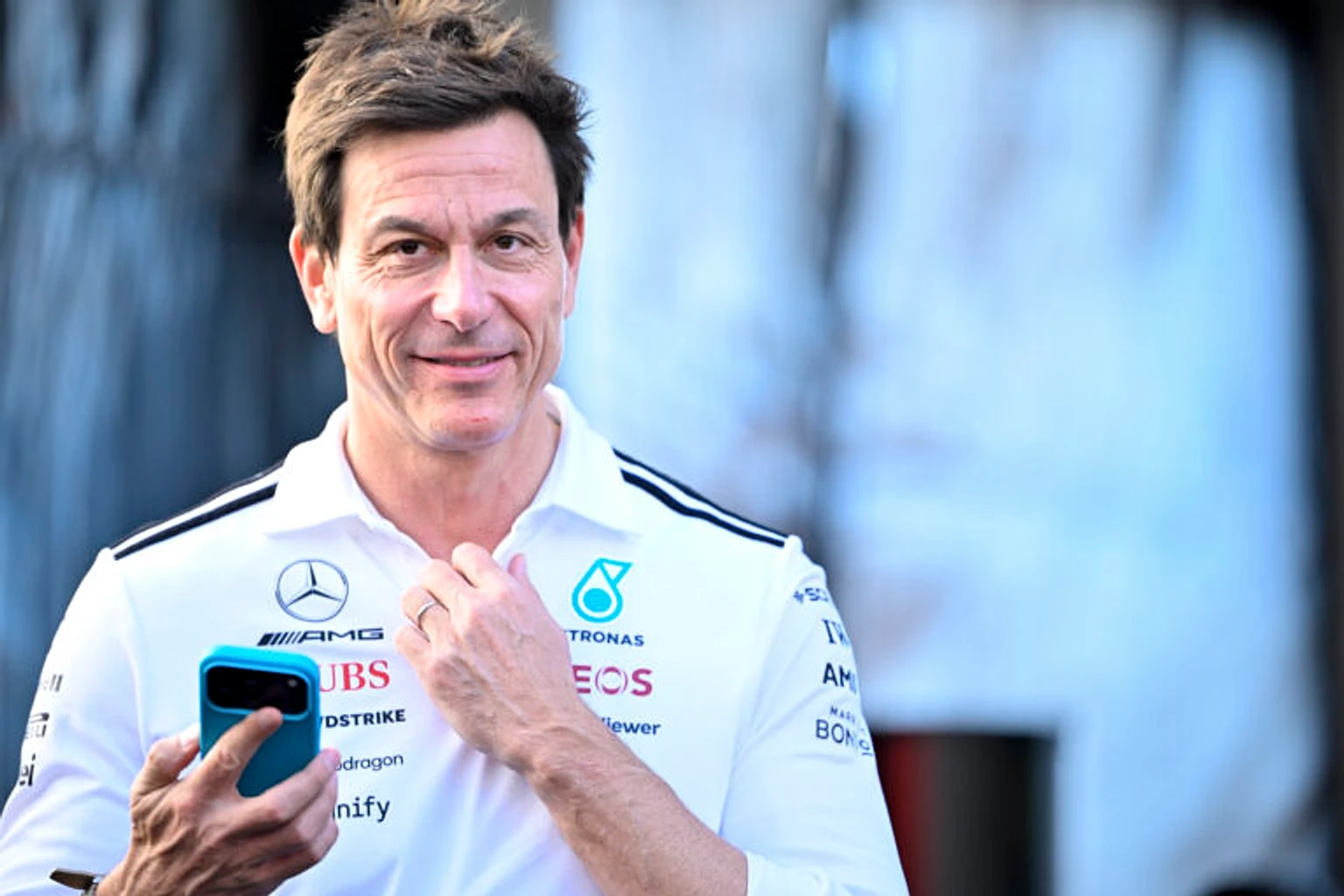
Mercedes has made a bold move in the Formula 1 ownership game, launching a full-court press to acquire a 24% stake in Alpine. If successful, the German powerhouse would become only the second team in F1 history to own two separate outfits—a feat currently achieved only by Red Bull, which operates both Red Bull Racing and Racing Bulls (formerly AlphaTauri).
The bid comes from Mercedes Grand Prix Limited, the parent company that oversees the Mercedes F1 team and is jointly owned by Mercedes-Benz, Ineos, and team principal Toto Wolff. But they're not alone in the race. Former rival Christian Horner has assembled his own consortium to purchase the French team, setting up a high-stakes bidding war that could reshape the F1 landscape.
According to the highly reliable Chris Medland of RACER, Renault—Alpine's current owner—has a favorable relationship with Mercedes, which could tip the scales in their favor. This isn't just a financial play; Mercedes already supplies power units to Alpine, creating an existing partnership that could smooth the path to ownership.
While the proposed stake would be non-controlling, the potential for conflicts of interest has already sparked debate. FIA President Mohammed Ben Sulayem has voiced reservations, warning that dual ownership could undermine the sport's competitive spirit. "As long as you are not trying to take it because you don’t want others to take it, or also get voting power when it comes to the regulations, then maybe it’s OK," Ben Sulayem said. "But then I do believe that owning two [teams] is not the right way... If we lose the sporting spirit, I believe that there will not be any more support from F1 fans."
For Horner, losing this deal would close a potential path back to the top of the sport. For Mercedes, it would mean gaining a sister team to develop young talent and strengthen their foothold in F1—just as Red Bull has done so successfully with Racing Bulls. The coming weeks will determine which side wins this battle, but one thing is clear: the ownership game in Formula 1 is getting more competitive than ever.