Manchester United's vision specialist was stunned. During a routine test, she would place four shapes on a ledge and ask the player to identify which one was furthest forward. Every single time, without fail, he was correct. Even when she shuffled their positions, his spatial awareness was flawless.
That player was Michael Carrick, whose legendary peripheral vision and depth perception left a lasting impression on Prof Gail Stephenson. Now, two decades after Carrick signed for United, he finds himself in a pivotal role, tasked with solving the very problem that has haunted the club since his own arrival: the absence of a world-class defensive midfielder.
While Carrick's future as head coach remains uncertain, his involvement in recruitment is crucial. The club has been searching for a true heir to Roy Keane's throne for nearly 20 years, a search that has become a baffling and costly blind spot.
Contrary to popular belief, this midfield issue isn't a post-Sir Alex Ferguson problem. It began under the legendary manager himself. Signings like Owen Hargreaves and Anderson, brought in alongside Carrick, were hampered by injury and unfulfilled potential.
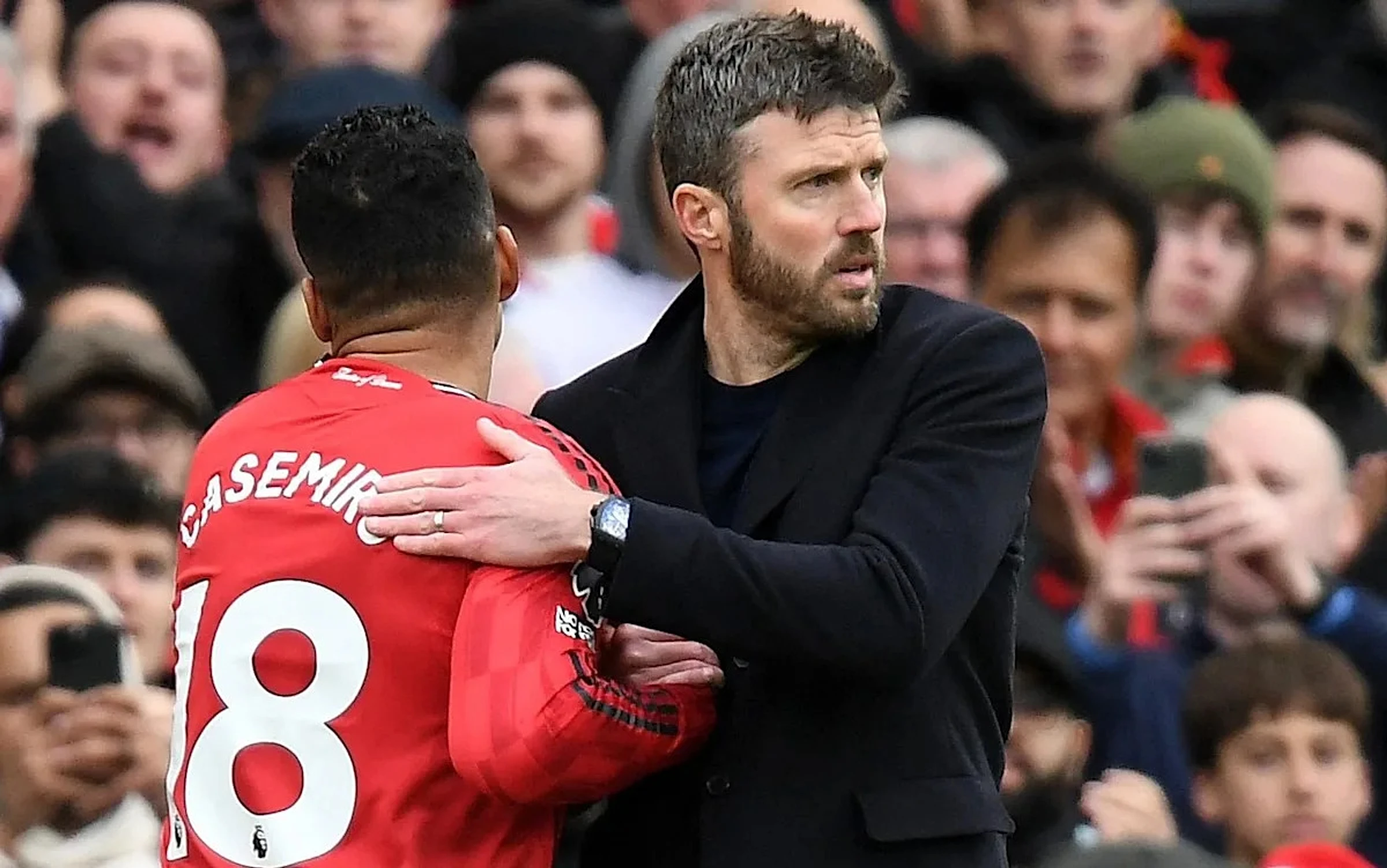
The years since have been a masterclass in flawed recruitment: a revolving door of square pegs for round holes, botched transfer pursuits, and a puzzling preference for aging stars past their prime. The scattergun approach is telling—one summer, United targeted the creative Cesc Fabregas but ended up with the physical Marouane Fellaini. More recently, a prolonged chase for Frenkie de Jong concluded with the signing of a different profile entirely in Casemiro.
This chronic instability in the engine room has had a ripple effect, undermining team balance and consistency. For a club of United's stature, the failure to secure a dominant, visionary number six has been a glaring weakness, one that the current recruitment team, led by Jason Wilcox and Christopher Vivell, must finally address to restore the club's competitive foundation.