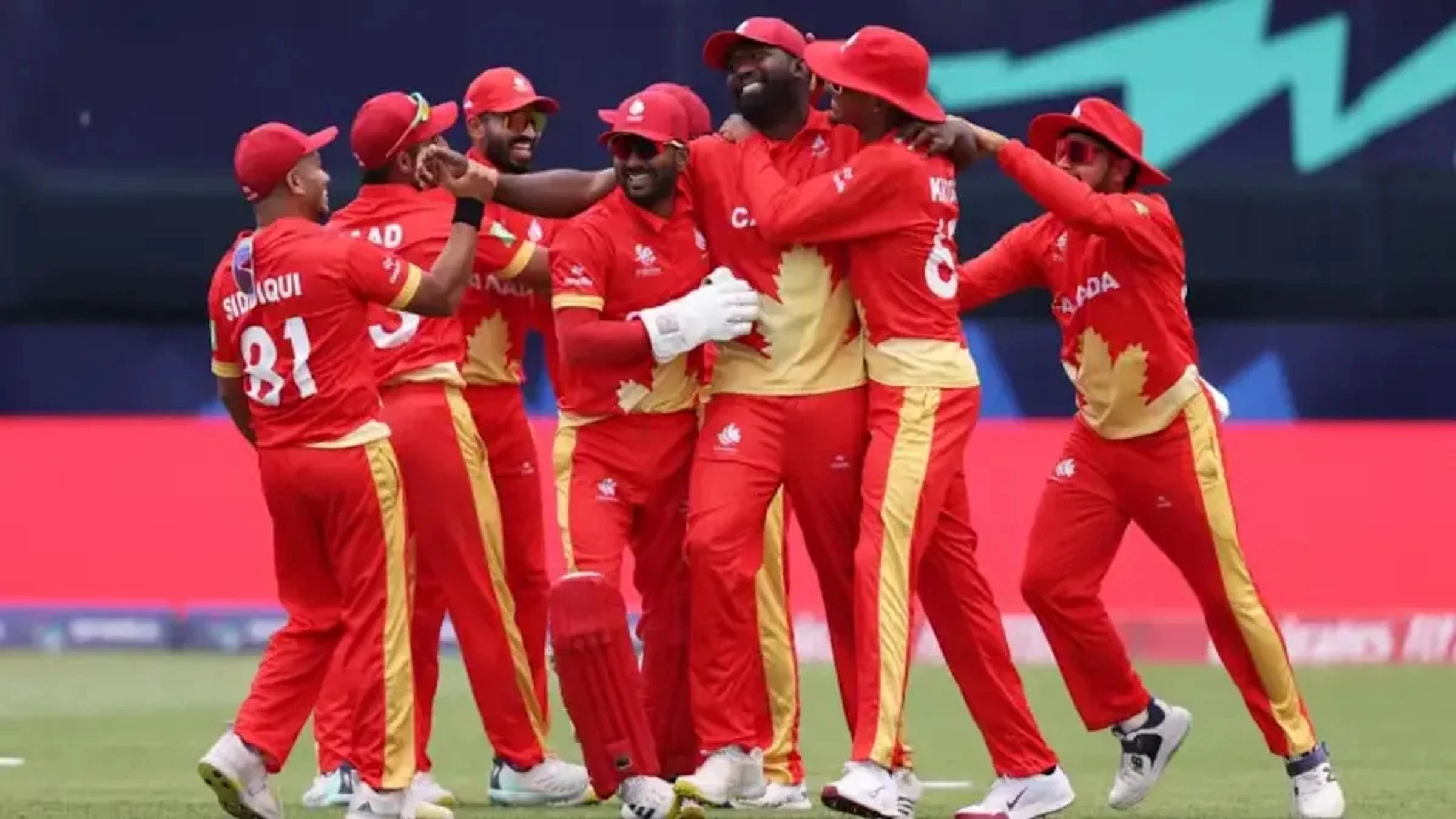
The International Cricket Council (ICC) has dealt a major blow to Cricket Canada, suspending funding for six months due to governance concerns. This decision strikes at the heart of Canadian cricket's financial stability, as ICC distributions account for nearly 63% of the organization's revenue—approximately CAD 3.6 million out of a total CAD 5.7 million income for the year ending 2024.
While the suspension sends shockwaves through the cricketing community, it's worth noting that day-to-day cricket activities, including national team programs and high-performance operations, are expected to continue without immediate disruption. This provides a glimmer of hope for players and fans alike during what has been a turbulent period for the sport in Canada.
The ICC has remained tight-lipped about the specific governance issues behind this decision, but recent investigations have painted a concerning picture. A Canadian investigative program, Fifth Estate, uncovered allegations of breaches in governance standards, financial oversight, and administrative functioning within the board. These findings have raised serious questions about Cricket Canada's leadership and operational integrity.
The timing couldn't be worse for Canadian cricket, which has been navigating a storm of controversies over the past year. Among the most pressing is an ongoing investigation into Canada's match against New Zealand during the recent ICC Men's T20 World Cup. The ICC's Anti-Corruption Unit (ACU) is currently examining the match, adding to the cloud of uncertainty hanging over the organization.
Further complicating matters, former head coach Khurram Chohan allegedly claimed in a leaked phone recording that senior board officials pressured him to select specific players for the national side. The recording reportedly also contained allegations connected to match corruption attempts, painting a picture of deep-seated issues within the organization's culture.
Andrew Ephgrave, the ICC's interim anti-integrity unit head, addressed the corruption investigation last month, stating that governance matters concerning ICC Members are handled according to standard constitutional processes. This measured response suggests the ICC is taking a methodical approach to investigating the allegations, but for Cricket Canada, the immediate financial impact is undeniable.
As the six-month suspension unfolds, the Canadian cricket community will be watching closely. Will Cricket Canada use this time to address governance concerns and restore confidence? Or will this setback mark a turning point for the sport's development in the country? For now, the ball is firmly in Cricket Canada's court.