Get ready, F1 fans—major changes are coming to the grid, and they could reshape how we watch races. The sport is revving up for its 2026 regulations, which initially promised a 50/50 energy split between the internal combustion engine and electric power. But after feedback from drivers and teams, that ratio has been shifted to 60% conventional and 40% electric.
So, what's the fuss about? The original setup led to a frustrating phenomenon called "clipping," where cars couldn't generate enough kinetic energy. This forced drivers into constant energy management, creating a "yo-yo" effect on track—cars swapping positions without any real, meaningful overtakes. For fans, it meant less wheel-to-wheel action and more strategic shuffling.
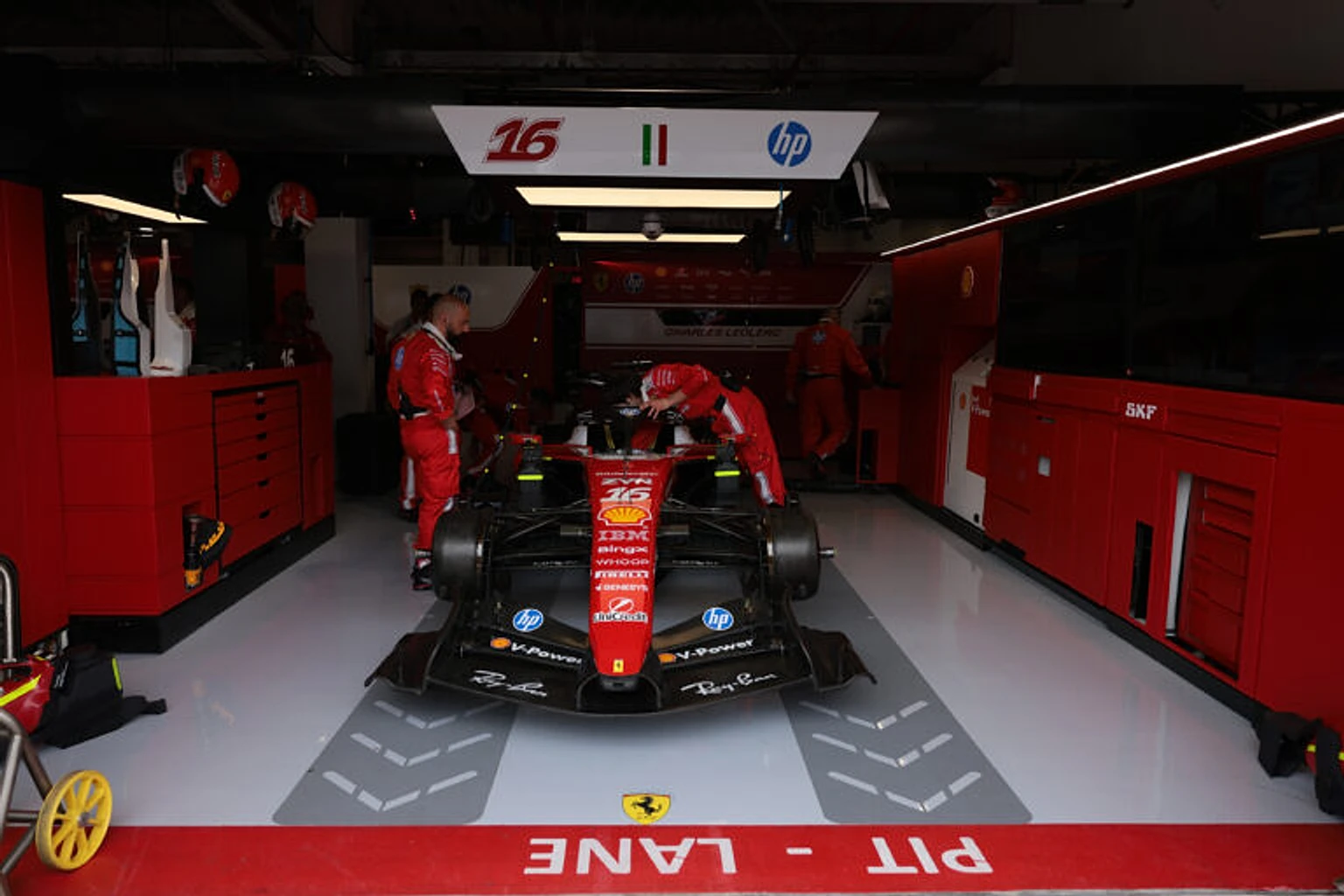
To fix this, F1 has tweaked the fuel flow rules. But here's the catch: these changes demand bigger fuel tanks, which poses a serious headache for teams. According to a report from The Race, "as many as half the teams were hoping to carry their current chassis into next year." Now, they might need cost cap relief just to fund new chassis designs.
One proposed solution? Shorten races by 10% to keep the fuel flow working without oversized tanks. Alternatively, the fuel flow change could apply only to qualifying, leaving race-day setups untouched. Either way, we could see fewer laps per Grand Prix—but don't hit the brakes on excitement just yet. If the result is more thrilling, high-quality battles on track, fans might gladly trade a few laps for edge-of-your-seat action.
Of course, these changes are still in the early stages. Teams could push for larger fuel tanks instead, but that means extra development time to balance the car's weight—a critical factor for lap times. Engineers will need to carefully adjust to a heavier unit, and that doesn't happen overnight.
The FIA and F1 are still refining the rules, and race lengths could be completely overhauled. For now, it's a waiting game to see how the sport balances performance, entertainment, and practicality. One thing's for sure: the 2027 season is shaping up to be a game-changer.