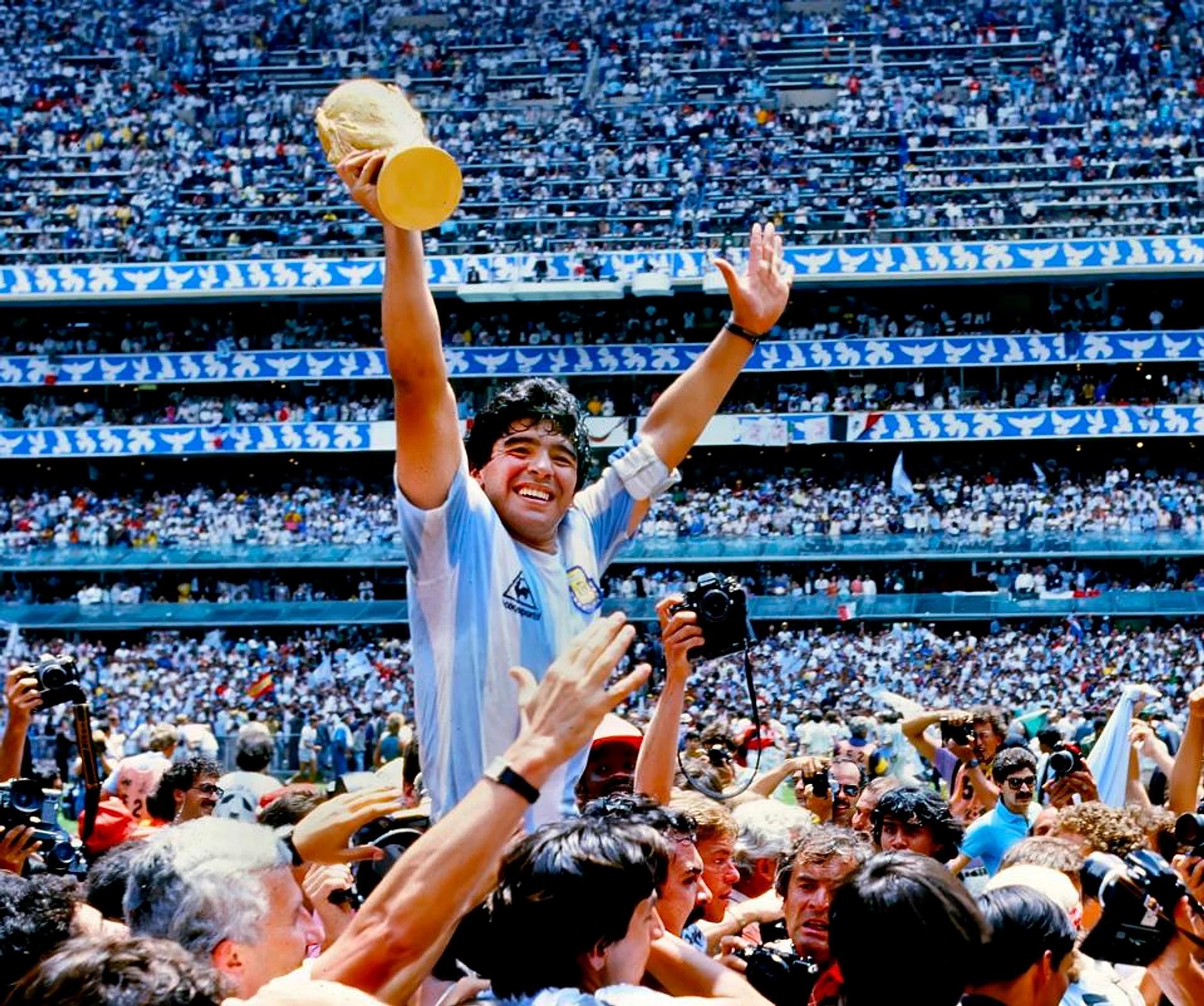
Four decades on, the 1986 World Cup in Mexico remains one of soccer's most unforgettable tournaments—a perfect storm of individual brilliance, dramatic storylines, and global cultural impact. At its heart was Diego Maradona, whose performances set the gold standard for individual excellence at a World Cup. Argentina's victory was unforgettable not just for the trophy, but because Maradona dominated in a way few ever have: his five goals and five assists only hint at the magic. Against England, he delivered two of the most iconic moments in soccer history—the controversial "Hand of God" and the dazzling solo run known as the "Goal of the Century"—lifting the tournament from sport into legend.
But Mexico '86 was far more than one man's show. The tournament showcased a rich mix of styles and elite teams at their peak: Brazil's attacking flair, France's elegance and tactical intelligence, and West Germany's resilience and efficiency. The quarterfinal between Brazil and France is still hailed as one of the greatest matches ever played, a testament to the tournament's high technical level and emotional intensity. This tapestry of approaches made the World Cup deeper and more captivating.
Mexico also shone as a host, building on its successful 1970 tournament. The passionate crowds, vibrant stadiums, and electric atmosphere turned every match into an event. For fans and players alike, Mexico '86 became a celebration of soccer's power to unite and inspire—a legacy that still resonates today, whether you're reliving Maradona's genius or the tournament's unforgettable spirit.