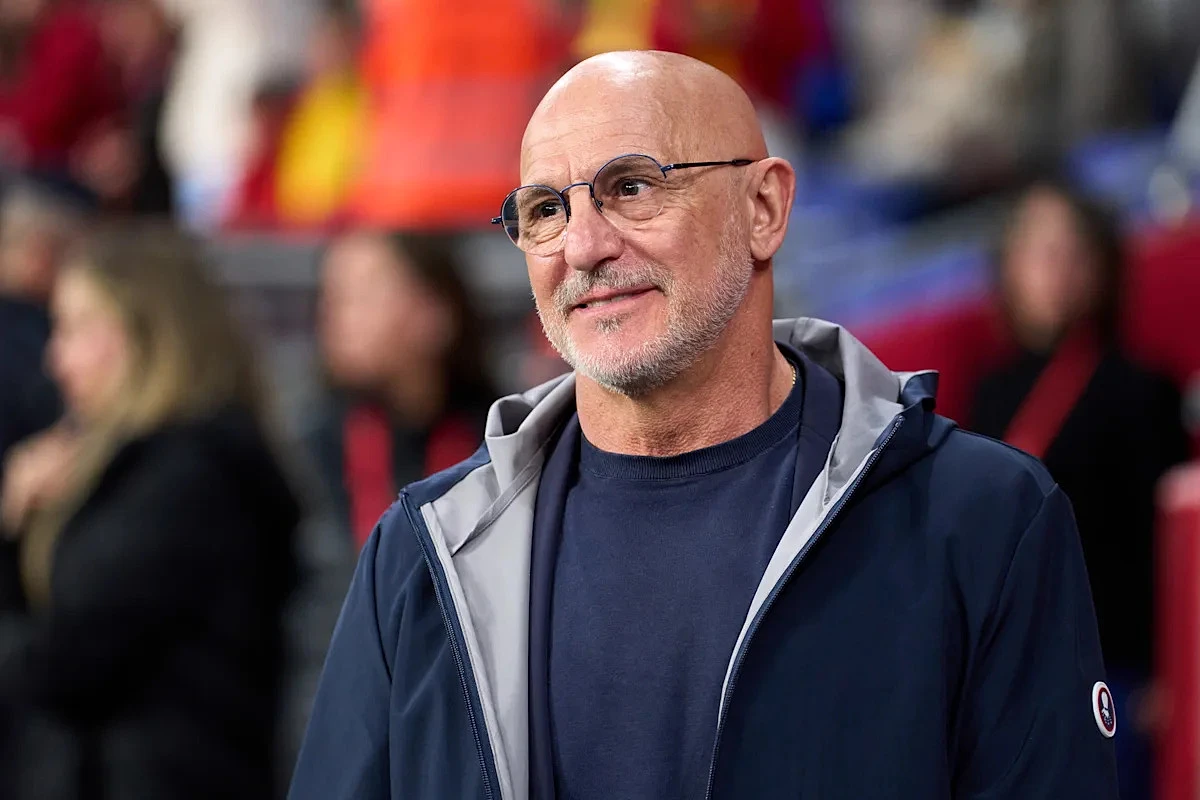
Spain's national team manager, Luis de la Fuente, recently made headlines during an event with Clínica CEMTRO in Madrid, where he addressed critical topics surrounding player health, injury management, and World Cup strategy. His comments have sparked particular interest among fans of La Roja, especially regarding the handling of young talents like Lamine Yamal.
When asked directly about Lamine Yamal's potential playing time, de la Fuente offered a thoughtful response that reveals his meticulous approach to squad selection. "In a squad selection, we consider every scenario," he explained. "Whether you're winning, losing, or the opponent goes down to ten men... There are players who can give you 20 minutes, and that also has enormous value." While Yamal's name was mentioned, the manager's remarks could equally apply to midfielders Mikel Merino or Víctor Muñoz, suggesting a broader philosophy about squad rotation.
The coach hinted that Yamal's minutes might increase as the tournament progresses, a strategic move common in major competitions. "We will assess each case because our first idea is to make it all the way to the final," de la Fuente stated. "But these are not arbitrary decisions. They are based on, thought through, and justified by the scenarios we always consider. There will be footballers who will have to wait, and we hope they become especially important in those final stages." This approach mirrors how many successful managers gradually integrate young stars into high-pressure environments.
De la Fuente also shared a revealing story about Dani Olmo's situation during the European Championship. "Olmo arrived injured, we were close to ruling him out, but then he became decisive," the coach recalled. This anecdote underscores the delicate balance between player fitness and tactical necessity that defines modern international football.
Finally, the Spain boss addressed the elephant in the room: the relentless modern football calendar. "The calendar is what it is, and it has to be accepted as long as it remains that way," he acknowledged. "That's why all the people involved—FIFA, UEFA, clubs, federations, players—should sit down and determine what truly is most appropriate for players' health." His comments resonate with a growing concern across the sport about player welfare amid an ever-increasing match load.