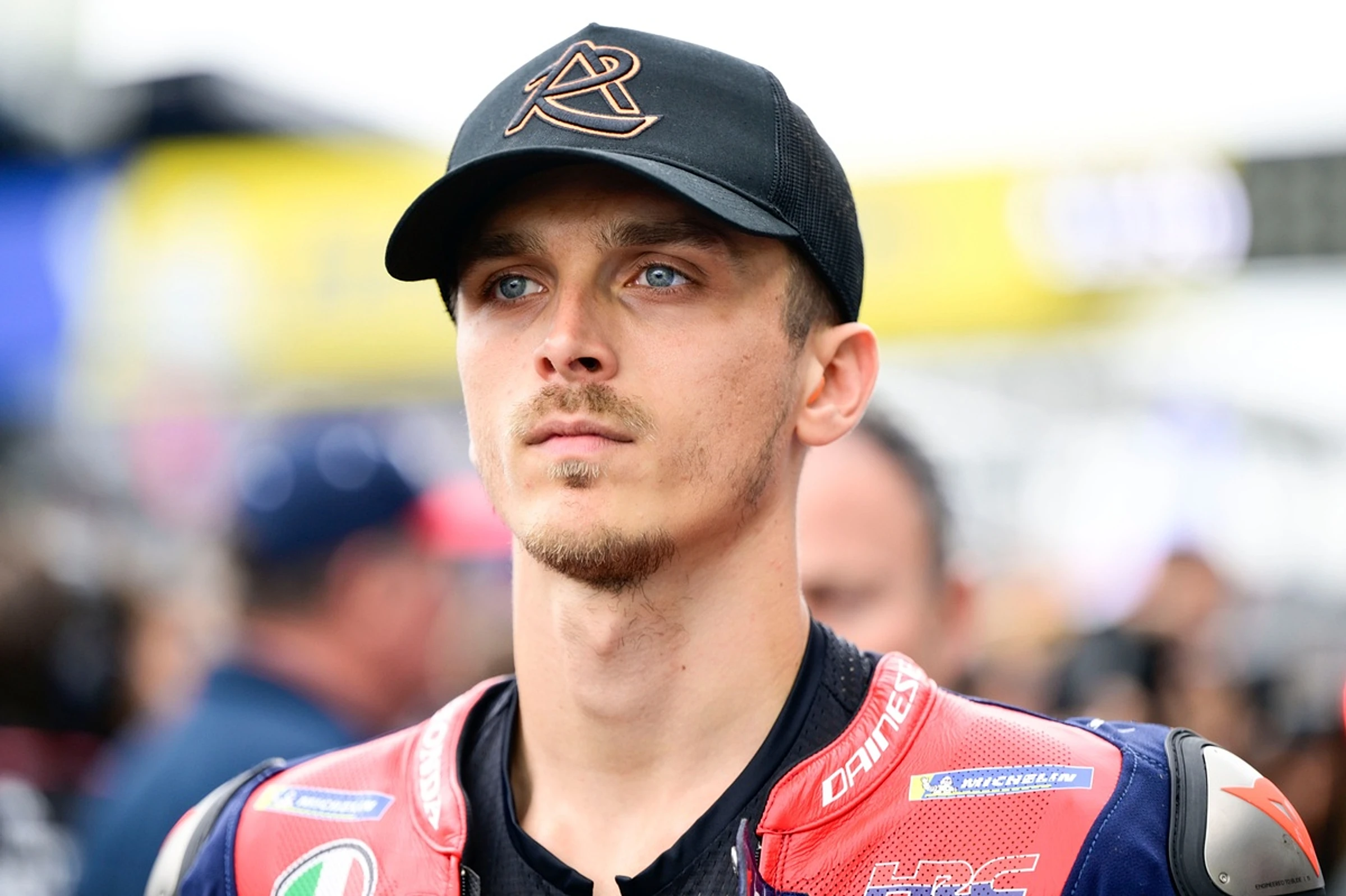
MotoGP's Safety Commission has been facing a growing problem—rider turnout is dropping, and frustration is mounting. But Luca Marini, one of the paddock's most active participants in these meetings, has floated a fresh idea that could change the game.
Every Friday before a Grand Prix weekend, riders have the chance to voice safety concerns directly with Dorna and the FIM. Yet in recent seasons, attendance has dwindled. Tech3's Enea Bastianini recently admitted he stopped showing up altogether, fed up with what he sees as a lack of real progress on key issues.
That low turnout, Marini warns, weakens the riders' collective voice and makes it harder to present a unified front on critical matters. But don't expect him to call for mandatory attendance. He argues that forcing riders into the room would only create more chaos, not clarity.
"No, I don't think that will help," Marini said. "In the past, we were 20 inside that room and it was more chaotic than being three or four."
Instead, Marini is proposing a new model: let the riders elect a single representative to speak directly with championship organizers on their behalf. "Maybe we need to be all together with one representative who can talk more with the organization," he explained. "But we tried many times to do this and until now, it is still not possible, so we will see in the future."
What makes this idea stand out is its focus on practicality over punishment. Marini stresses that today's MotoGP is mentally demanding, and many riders simply don't have the bandwidth to engage deeply on safety issues during race weekends. "It's not a problem of numbers," he said. "It's just that we need to be more together."
For riders who spend their weekends pushing the limits at over 200 mph, having a trusted voice in the room could mean the difference between a safety concern being heard—or falling through the cracks. Marini's proposal might just be the spark the Safety Commission needs to get back on track.