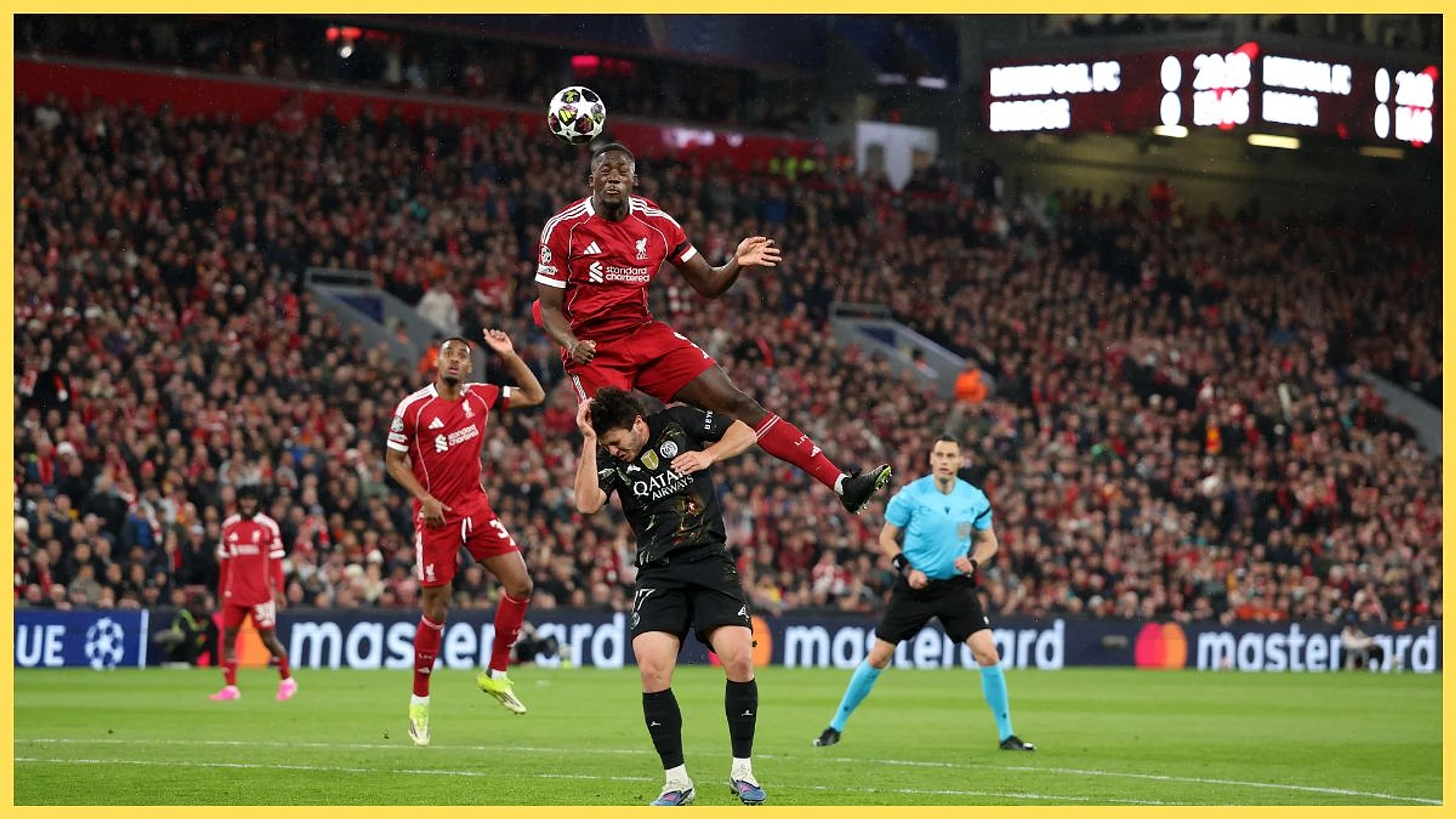
Liverpool's Champions League journey may have ended with a quarter-final defeat to Paris Saint-Germain, but the financial scoreboard from Europe tells a story of staggering success. While the on-pitch exit stings, the revenue generated offers a powerful perspective on the club's off-field health.
Football finance expert Chris Weatherspoon recently highlighted the scale of this windfall. Liverpool earned an estimated £95 million in UEFA prize money this season alone—a £13 million increase from the previous year. This marks the club's third-highest European revenue haul, only trailing the seasons when they reached the final (2021-22) and won the trophy (2018-19). Crucially, this massive figure doesn't even include matchday income or the significant boost in commercial revenue that accompanies a deep Champions League run.
These numbers underscore a critical reality for top clubs: participation in Europe's premier competition is a financial imperative, delivering immense value regardless of lifting the trophy. However, this context inevitably sharpens the focus on a sensitive issue at Anfield—the proposed increase in ticket prices.
The club's announcement has been met with strong opposition from supporters' group Spirit of Shankly, who have promised protests, citing ignored fan feedback. While the club points to rising operational costs to justify the move, the juxtaposition with a £95 million European windfall makes for a difficult conversation with the fanbase.
This debate sits within a wider frame of record club revenues and the unwavering emotional and financial investment from supporters who follow the team across the country and continent. As the club builds for the future, balancing its financial ambitions with the loyalty of its lifeblood—the fans—remains one of its most delicate and important challenges.