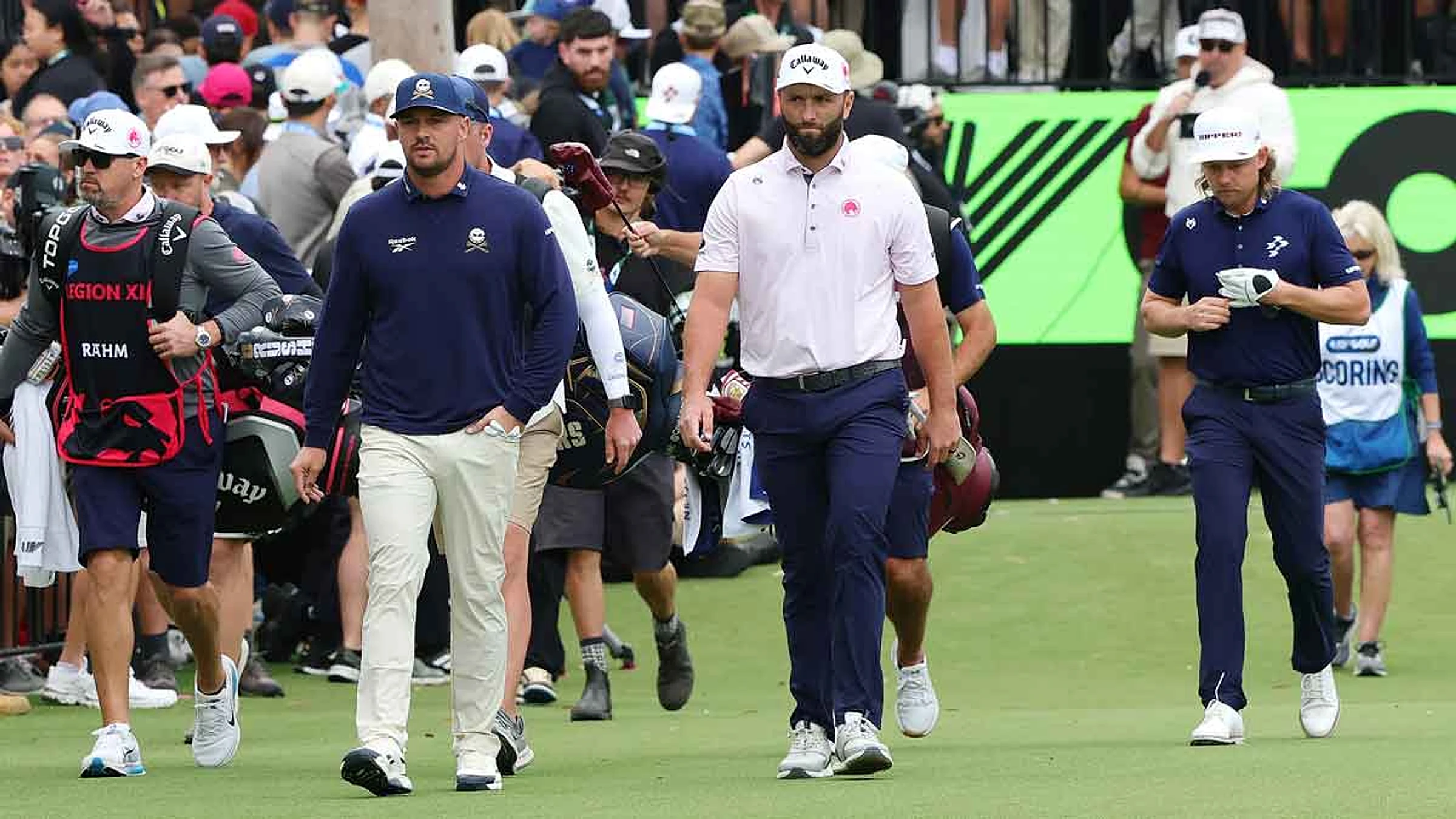
For longtime golf fans, the rise of LIV Golf has been nothing short of unsettling. Even if the Saudi-backed league eventually fades—and that's far from certain—the damage it has already inflicted on the professional game will take years to repair. The billions in petrodollars poured into LIV, too extravagant to be sustainable from the start, exposed a troubling opportunism among some of our most celebrated players. The broader sport has paid the price.
Phil Mickelson, Dustin Johnson, Brooks Koepka, Bryson DeChambeau, Patrick Reed, Sergio Garcia, Jon Rahm, and others casually abandoned the traditions that shaped their careers. For what? A hundred million here, three hundred million there? Who would have guessed their loyalty came with a price tag? Did they not recognize that LIV's hybrid format was a stark departure from the tournament golf they grew up on? Or that its founding principle seemed borrowed straight from The Dating Game?
The players left behind on the PGA Tour—the stars and near-stars—lost their way, too. They allowed their leaders—commissioner Jay Monahan, Tiger Woods, the Strategic Sports Group investors, and more recently CEO Brian Rolapp—to discard the very feature that made the Tour so compelling: the guarantee of nothing. Earn it, earn it, earn it. (Frankly, it's surprising Woods himself accepted a lifetime exemption into any event—doesn't sound like the Tiger of old.) Earn your spot in 2026 based on your performance in 2025. That's golf. Earn your weekend tee times based on what you did Thursday and Friday. It's worked forever.
On that foundation, Joel Dahmen and Scottie Scheffler started every week as equals. Every event was a fresh start, with a real sense of meaning—even if highly localized—woven into those Thursday morning tee times. The PGA Tour didn't need a for-profit arm. Local charities, rotating week to week, provided all the fuel the game required. LIV Golf tried to turn tournament golf into something else entirely—and in doing so, it took something essential from the sport we love.