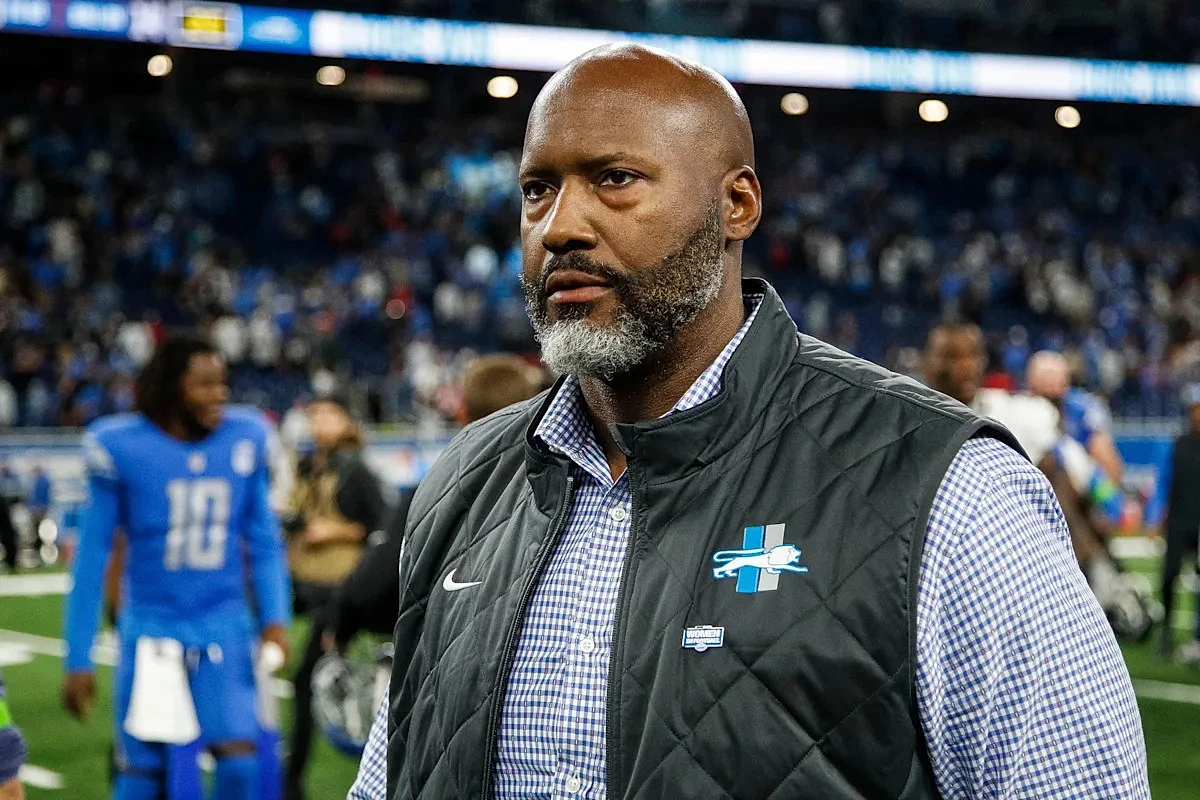
As the NFL Draft approaches, Detroit Lions General Manager Brad Holmes offered a revealing glimpse into the team's long-term roster-building philosophy during his pre-draft press conference. Central to his strategy is a profound respect for "Father Time," a factor that significantly influences how the Lions evaluate prospects, especially concerning age and potential second contracts.
Holmes emphasized the importance of projecting a player's age when a lucrative second contract would typically arrive. "A guy’s 24-25 years old now, he’s going to be looking at 30 by the time a second contract comes," Holmes noted. "Maybe he hadn’t played a long time and he doesn’t have as much wear and tear, but Father Time is Father Time." This forward-thinking approach prioritizes sustainable success over short-term fixes, a refreshing perspective for a franchise building a lasting contender.
This philosophy extends beyond simple chronology to a nuanced understanding of "wear-and-tear." Holmes pointed out that even players without a significant injury history accumulate physical degradation over time, particularly in joint cartilage. An older prospect, regardless of a clean bill of health, inherently carries more long-term physical risk. This medical foresight is crucial when committing major resources, making a potential extension for a 25-year-old star like Aidan Hutchinson a far safer investment than one for a player nearing 30.
By openly discussing age and longevity, Holmes signals a draft strategy that values the entire lifecycle of a player's career. It’s a calculated, patient approach that balances immediate roster needs with the fiscal and physical realities of the NFL, ensuring the Lions' hard-earned culture is built on a foundation meant to last.