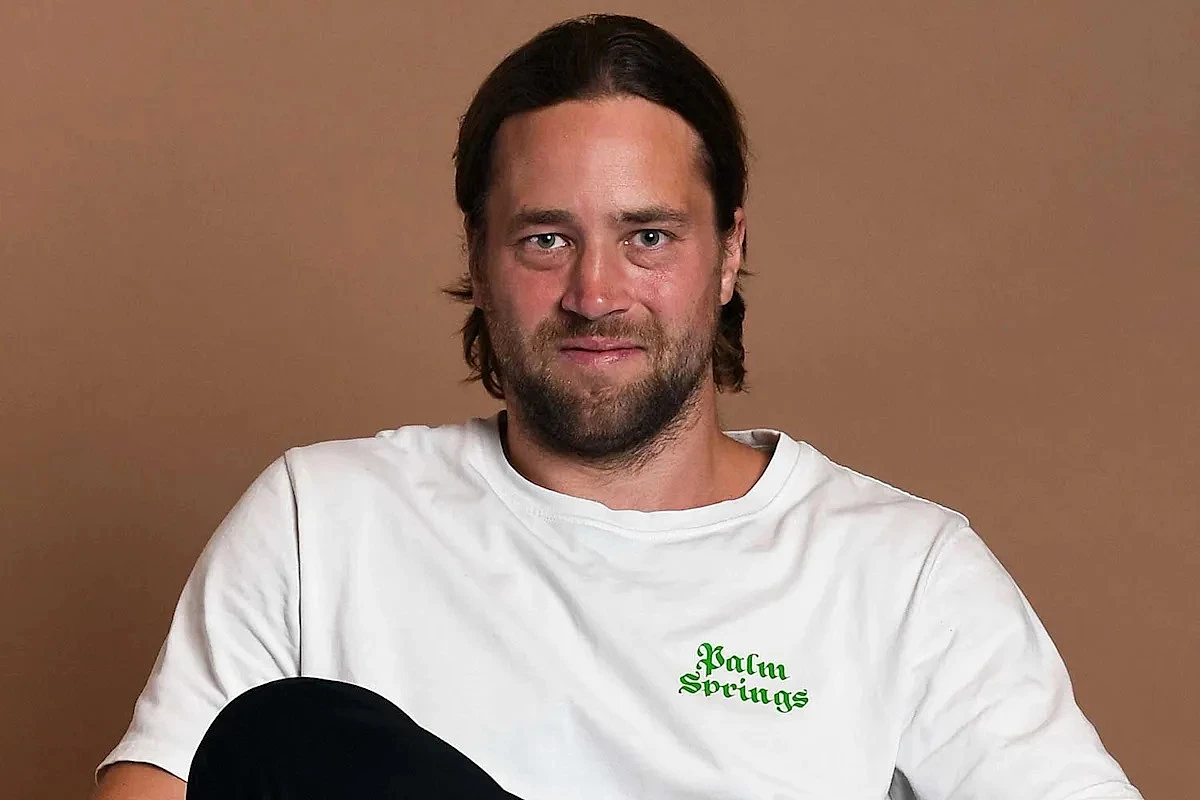
In a powerful and candid moment that transcends the game, Tampa Bay Lightning captain Victor Hedman has opened up about the personal struggles that led him to step away from the team for 22 games this season. The 35-year-old defenseman, a cornerstone of the franchise and one of the NHL's most respected leaders, revealed on Tuesday, May 5, that his leave of absence was driven by a need to prioritize his mental health.
"It was not an easy decision, but it was the right one," Hedman shared in a heartfelt statement released through the Lightning. "I've spent most of my life in this game, and nearly all of my career with this organization. Wearing that jersey—and serving as captain—is the greatest responsibility of my professional life. That responsibility doesn't only apply on the ice."
The veteran blueliner, whose season concluded Sunday night after Tampa Bay's first-round playoff exit at the hands of the Montreal Canadiens, explained that stepping away was a necessary act of leadership. "I've always believed that being a leader means doing what's best for the team. In this case, it also meant doing what was necessary to take care of myself, so I can be the best player, teammate, husband, and father I expect to be," he said.
Hedman credited his support system—family, teammates, the Lightning organization, and notably, his therapist—for helping him navigate this challenging period. "I've been fortunate to have strong support, and I'm in a much better place today," he added, before encouraging fans to prioritize their own mental wellness. "This is something that exists in our game more than people see. If this moment helps make it easier for others to take care of themselves when they need to, that matters."
Lightning general manager Julien BriseBois expressed immense pride in his captain's courage. "I'm very proud of how Victor handled it all during this difficult period," BriseBois said. "His transparency and strength set an example not just for our team, but for the entire hockey community."
Hedman's openness marks a significant moment in professional sports, reminding fans and athletes alike that true strength often lies in vulnerability—and that taking care of yourself is the first step to being at your best, both on and off the ice.