Big money is moving in on the little leagues, and lawmakers are calling a timeout. A new bill, the "Let Kids Play Act," was introduced this week by a group of Democratic senators and representatives, aiming to kick private equity out of youth sports. The legislation would force existing investors to sell their stakes within two years and ban what the bill calls "predatory practices" that have been squeezing families' wallets.
The cost of getting kids in the game has skyrocketed. According to the lawmakers, youth sports participation fees have jumped 46% in just a few years, with the average family now shelling out over $5,000 annually for club sports. That's a steep price for a game that should be about fun, teamwork, and healthy competition.
At the heart of the bill are two specific issues that have parents frustrated. First, restrictive participation contracts that force families to book specific hotels for tournaments—taking away the freedom to shop around for the best deal. Second, hidden "junk fees" that pop up after a child is already signed up, leaving parents with unexpected bills.
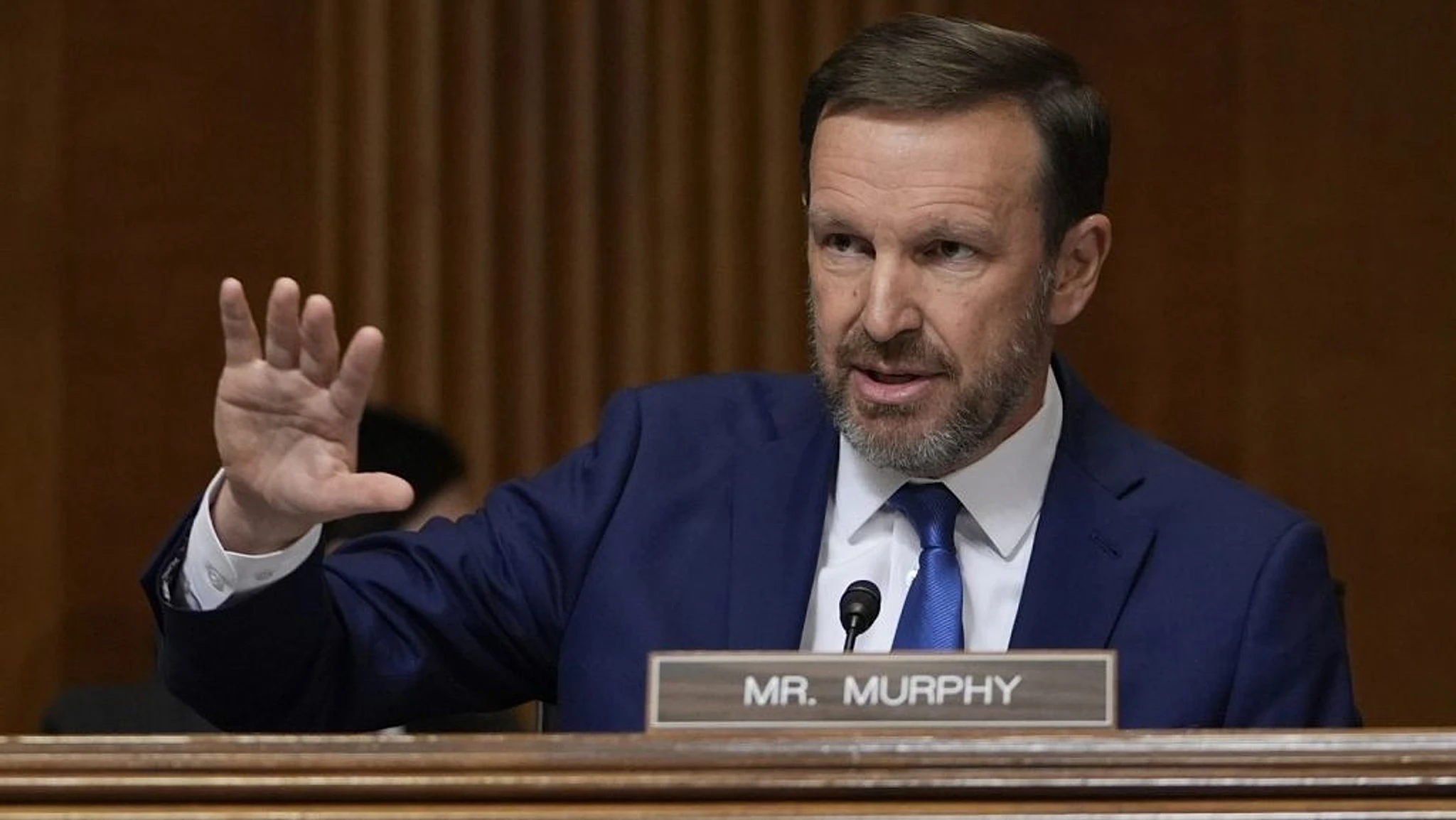
"The good news is that private equity's takeover of youth sports is in its early stages," said Sen. Chris Murphy of Connecticut during a press conference. "We can stop it." Rep. Chris Deluzio of Pennsylvania, who co-sponsored the bill, put it even more bluntly: "Big money vultures have turned youth sports into a luxury item."
The financial stakes are enormous. U.S. families spend between $30 billion and $40 billion each year on their kids' sports activities, according to the Aspen Institute. That kind of money has caught the attention of deep-pocketed investors. Firms like Unrivaled Sports—backed by private equity billionaires Josh Harris and David Blitzer—have been building massive portfolios of youth sports companies, including flag football leagues. Meanwhile, Maple Park Capital's Prep Network runs hundreds of events nationwide.
Under the proposed legislation, investors found violating the rules would have to refund any junk fees they collected. The penalties would go into a new "Youth Sports Fund" designed to provide scholarships and preserve local sports facilities. It's a play to keep youth sports accessible for everyone, not just those who can afford the rising costs.