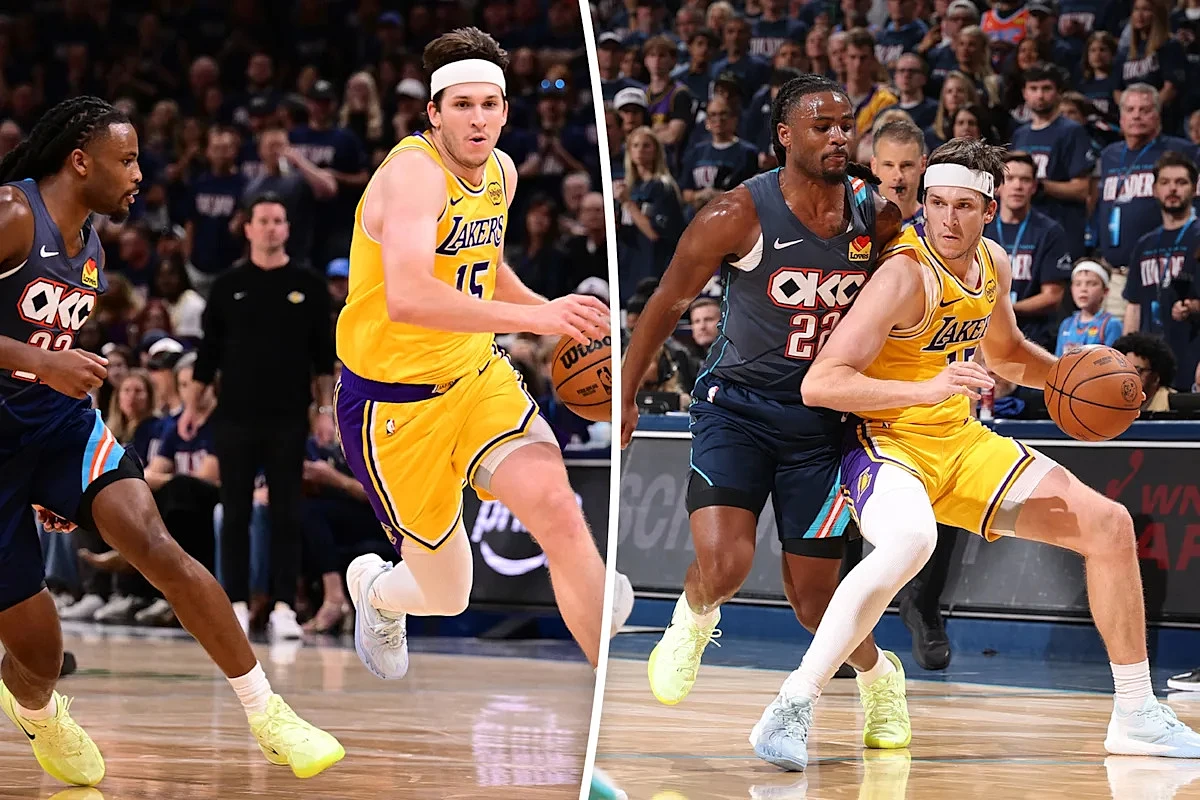
The Lakers' old Achilles' heel has resurfaced at the worst possible time. Trailing 0-2 in their best-of-seven second-round playoff series against the Oklahoma City Thunder, Los Angeles is discovering that some weaknesses are hard to shake—especially when the stakes are highest.
On paper, the numbers tell a brutal story. The Thunder's bench has been a wrecking ball, outscoring the Lakers' reserves by a staggering 82-39 combined margin through the first two games. When reigning MVP Shai Gilgeous-Alexander sat for 33 minutes across Games 1 and 2, Oklahoma City still outscored Los Angeles by 22 points. That's not just depth—that's a statement.
Turnovers have been another glaring issue. The Lakers coughed the ball up an average of 19.5 times per game in Oklahoma City, and the Thunder turned those mistakes into 23 points each night. Even when the Lakers managed to get a stop, the Thunder made them pay on the glass, averaging 19 second-chance points despite grabbing just nine offensive rebounds per game. Efficiency over volume—a killer combination.
These are areas where the Lakers actually improved during their first-round win over the Rockets, and where they were solid throughout the regular season. But the Thunder have exposed something deeper: Los Angeles simply can't handle drop coverage.
It's a problem head coach JJ Redick flagged back in February, after a home loss to the Celtics. Boston deployed a deep drop scheme that held the Lakers to just 89 points—their third-lowest output of the season. At the time, it seemed like a fixable flaw. The Lakers adjusted through December and January, then looked sharper against drop coverage through February, March, and the regular season's final stretch.
But against the Thunder, that progress has vanished. Oklahoma City's big men have stayed in drop coverage for most of Game 1 and Game 2, and the Lakers haven't found answers. Poor shotmaking has been part of the problem, but so has a lack of proper counters. Too many drag screens that never created clean looks, too many possessions that ended in contested jumpers or hurried passes.
For a team with championship aspirations, this is the kind of issue that can derail a season. The Lakers have the talent to compete—but talent doesn't matter if you can't solve a defensive scheme that's been your kryptonite all year.