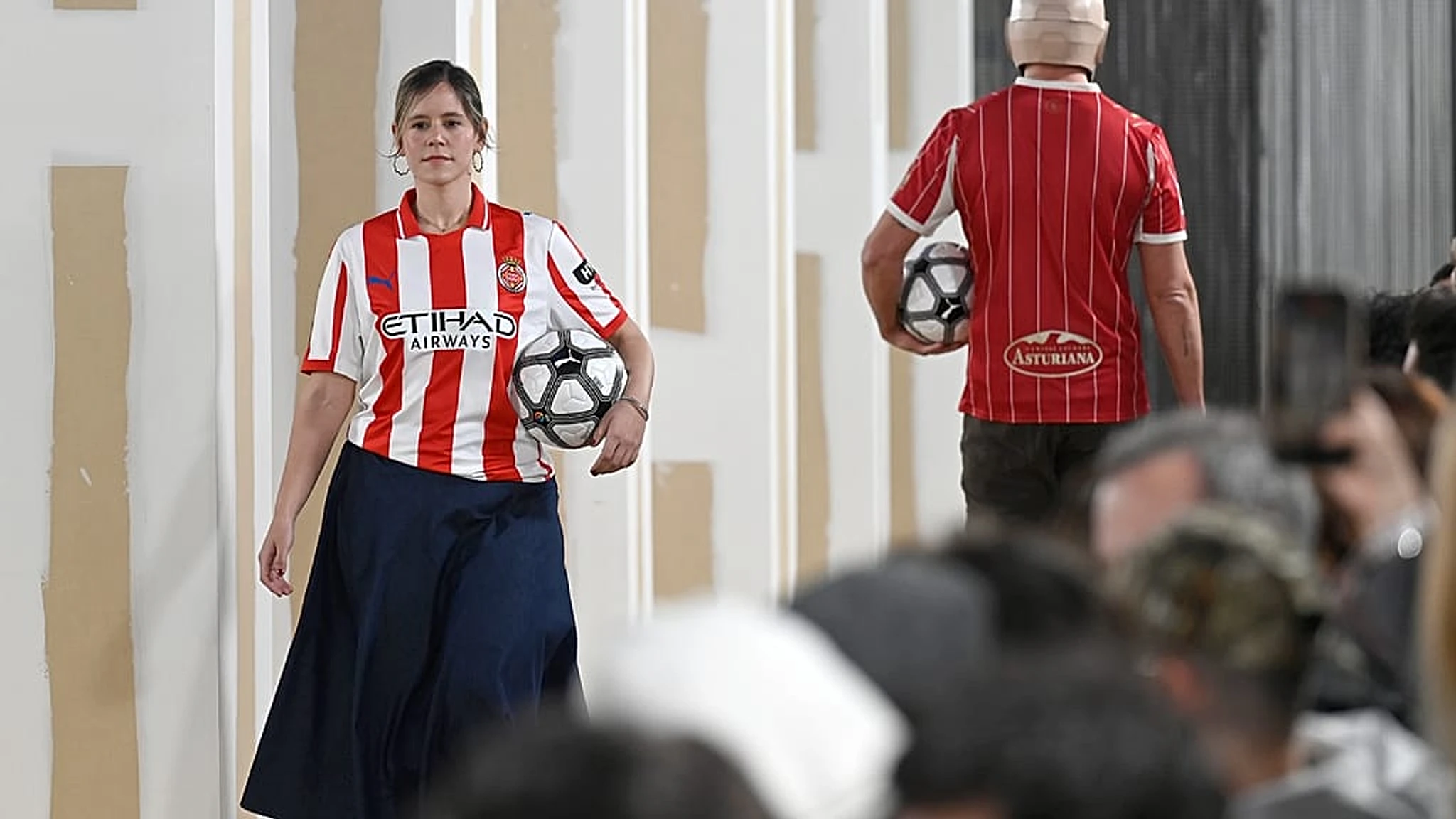

Spanish football is getting a vintage makeover this weekend, as La Liga rolls out its first-ever Retro Matchday, with clubs across the top two divisions stepping out in throwback kits inspired by their past.
The initiative will see 38 of the 42 teams in La Liga and Segunda División wear specially designed retro shirts, each drawing on iconic eras from their club histories.
The idea is to celebrate heritage, reconnect with supporters, and tap into a growing trend for nostalgia in sport and fashion.
However, Spain's most successful club Real Madrid are among the notable absentees and will not take part, while FC Barcelona, Getafe CF and Rayo Vallecano are involved in the campaign but will not wear retro kits this weekend due to reported logistical issues.
The retro theme extends beyond football kits on the pitch.
Referees will also wear throwback uniforms, while matches will feature a vintage-style ball and while TV broadcasts will screen old-school graphics designed to recreate the feel of past decades, shifting the aesthetic of the game completely.
The campaign was formally unveiled in March during Madrid Fashion Week, where the shirts were presented as part of a crossover between football culture and fashion.
In recent years, clubs and leagues have leaned heavily into nostalgia-driven releases, from anniversary shirts to limited-edition drops. As seen in rugby’s recent retro jersey revivals, these designs are not just about looking back.
What began as a fan-driven clamour for vintage jerseys has spawned small, often second-hand businesses, into a much larger commercial venture where past glories can be celebrated in the present.
It's also feeding a new market among style conscious supporters while reinforcing identity and history in a crowded global market.
They sit at the centre of a wider lifestyle trend, where archival designs, classic crests and heritage colour palettes are increasingly worn off the pitch as much as on it.
La Liga has framed the weekend as a way of “bringing the past into the present”, positioning it as the first coordinated retro kit campaign of its kind across Europe’s top leagues.
For fans, it offers a visual reminder of defining moments and eras. For clubs, it's a chance to package that history into something tangible and perhaps increase revenue.
For one weekend at least, Spanish football will look backwards, playing on memories of salad days, design and identity, and show just how powerful nostalgia has become in the modern game.