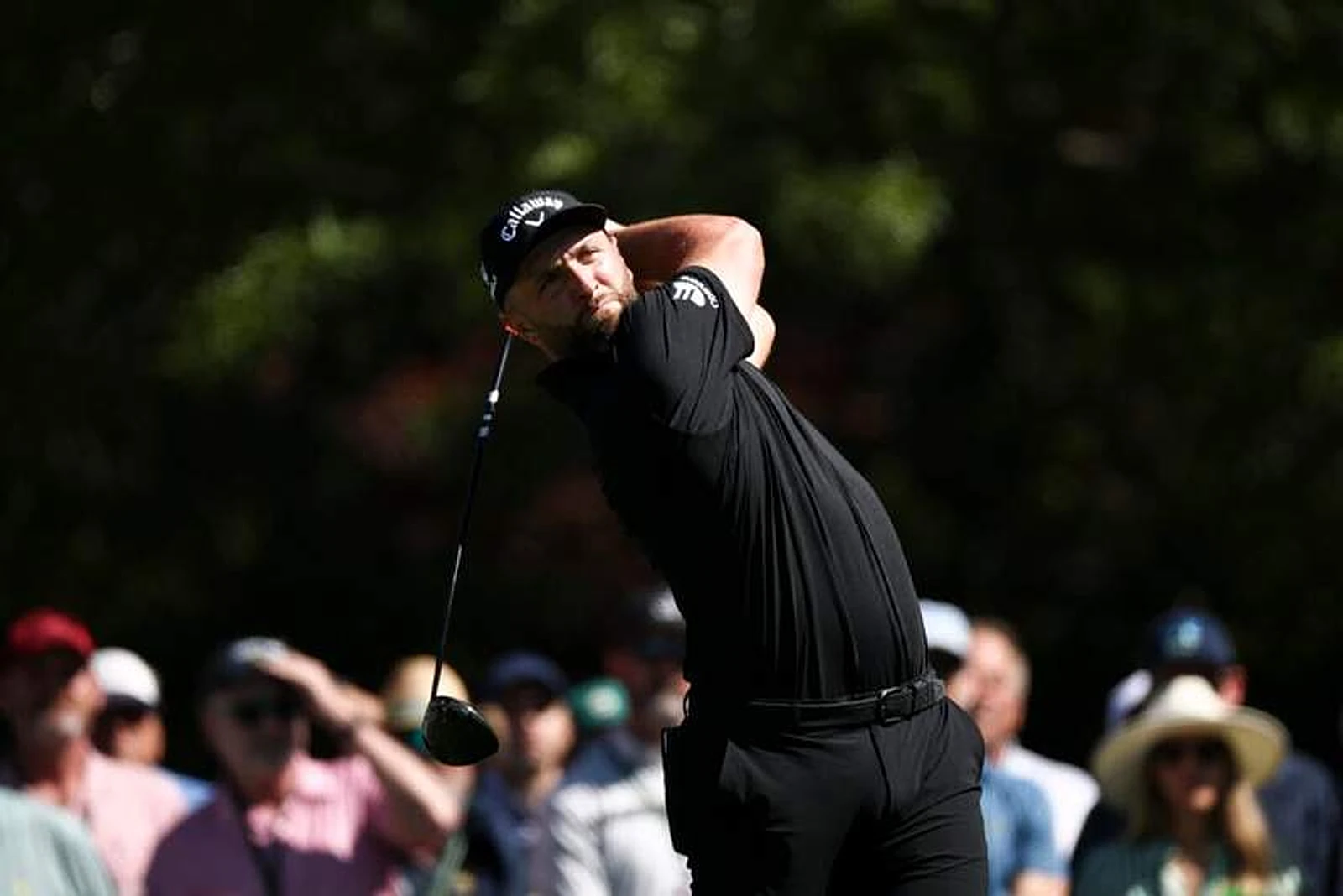
The golf world is buzzing with speculation about the future of LIV Golf, and at the center of the conversation is Jon Rahm. Recent reports suggesting the Saudi Public Investment Fund may scale back its funding have cast a shadow over the league's long-term viability, raising major questions for its star players.
Rahm's defection to LIV Golf last December was a seismic event. He wasn't just any player; he was the reigning Masters champion and arguably the best golfer on the planet at the time. His move was seen as a potential tipping point, a sign that the upstart league could attract the game's very elite, regardless of legacy or tradition.
While the financial offer was undoubtedly colossal, Rahm had previously downplayed the role of money in his career decisions. His move suggested a belief that he could maintain his competitive edge and major championship readiness within the LIV format. However, his recent performance at Augusta, where he finished well off the pace, has ignited debate about whether that belief was well-founded.
Fellow pro Kevin Kisner, speaking on the Fore Play Podcast, offered a blunt assessment. "The Rahm bombshell was crazy to me, because he was on top of the world," Kisner said. He questioned the fit for a player who thrives on the spotlight of traditional tours, suggesting Rahm might now be grappling with the consequences. "I think he’s feeling that in his game right now. 'I’m not being recognised everywhere I go, and I’m not preparing for the majors the way I probably need to.'"
Kisner's comments cut to the heart of the dilemma facing LIV's biggest names: can a schedule of 54-hole, no-cut events truly prepare a player for the grueling, pressure-packed test of a major championship? With other stars like Brooks Koepka returning to PGA Tour events and the league's future uncertain, Rahm's Masters result has become a focal point in the ongoing debate about competition, preparation, and the true cost of a lucrative payday.