The first day of the Stefon Diggs trial concluded with alleged victim Mila Adams on the witness stand, and the second day picked up right where it left off—with her cross-examination continuing. But it didn't take long for tensions to rise in the courtroom.
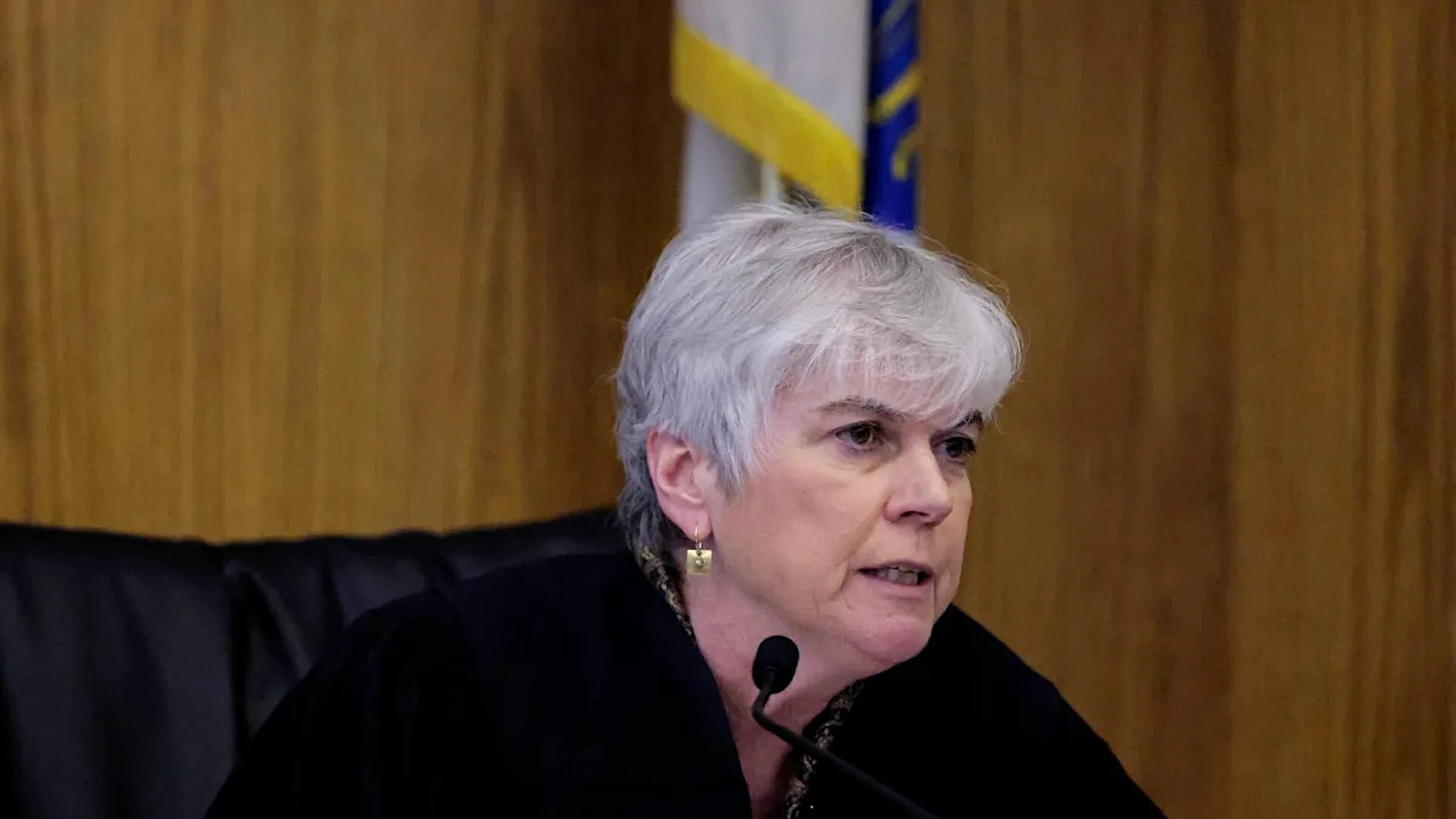
After Adams delivered a series of answers that dodged the actual questions being asked, Judge Jeanmarie Carroll called for a break. When the jury stepped out, the judge didn't mince words. She delivered a firm warning to Adams about the importance of sticking to the question-and-answer format that trials depend on.
"You're responsible for answering questions that are put to you," Judge Carroll said. "If you don't understand the question, you can say that. If you can't hear a question, tell them that as well. But courtrooms function in a question and answer format. This is not an opportunity for you to interject your own narrative and evade responding to questions the court deems appropriate. If you continue to do so, your entire testimony may be stricken. Am I clear?"
When questioning resumed, the focus shifted to a $5.5 million settlement demand that Adams' lawyer had made to Diggs. Once again, Adams was evasive—this time trying to cite attorney-client privilege, which clearly didn't apply in this context. It seemed like Diggs' lawyer had Adams on the ropes, possibly setting up grounds to have her entire testimony thrown out.
But instead of pushing further and risking a mistrial or a motion to strike, the defense lawyer ended the cross-examination. Adams completed redirect and re-cross without any more issues, and her testimony remained intact.
Had that testimony been stricken, the entire case would have collapsed. Without Adams' account of the alleged assault, prosecutors would have struggled to prove beyond a reasonable doubt that Diggs assaulted or strangled her. For now, the trial continues—and the stakes couldn't be higher for both sides.