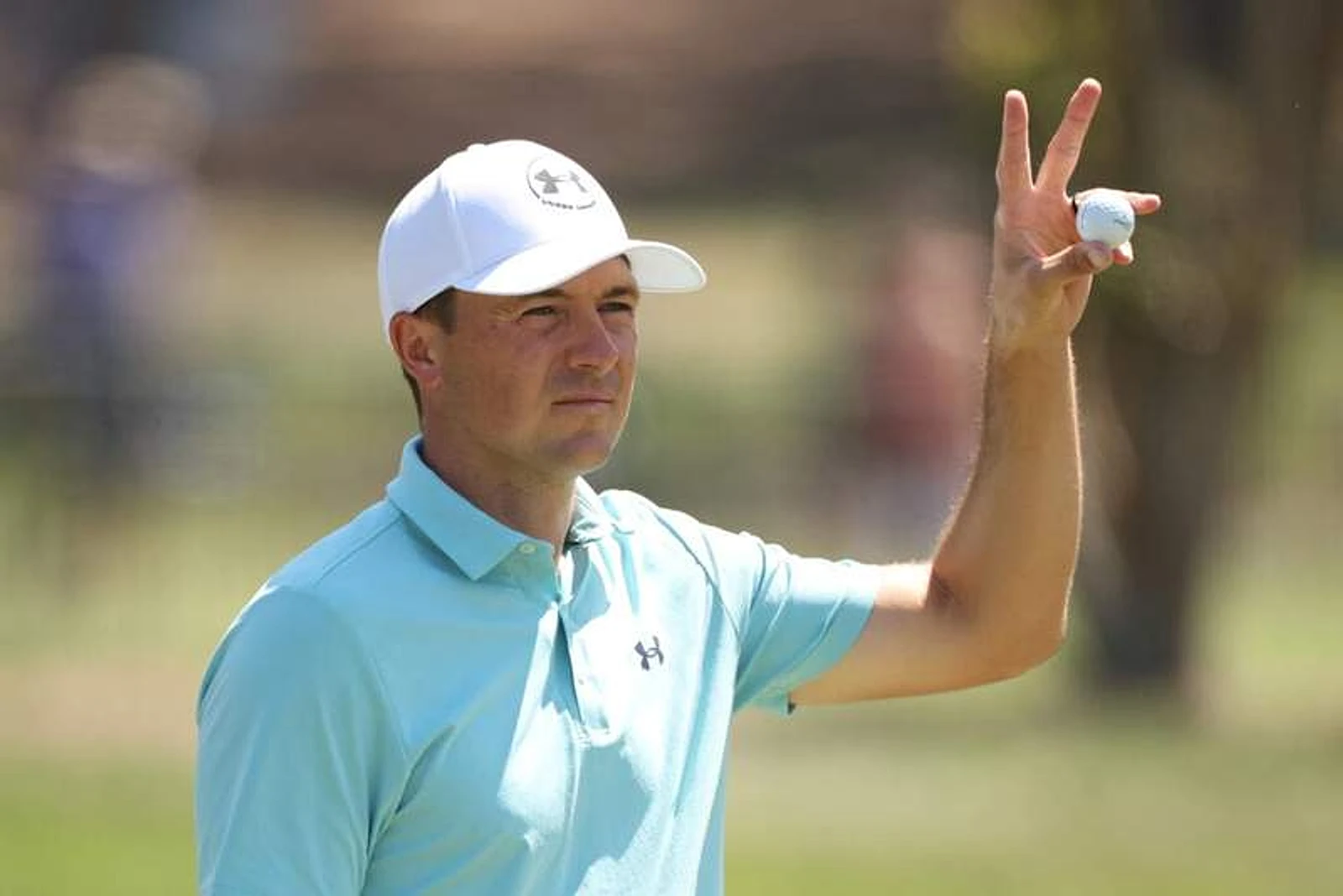
Jordan Spieth's 2015 U.S. Open victory at Chambers Bay feels like a lifetime ago. That dramatic win, which saw him edge out Dustin Johnson and Louis Oosthuizen by a single stroke, marked his second consecutive major triumph and positioned him on the precipice of a calendar-year Grand Slam.
It was a phenomenal season where he captured The Masters and the U.S. Open, came within a shot of The Open Championship, and finished three back at the PGA Championship. A third major followed at The Open in 2017, but since then, the well of major victories has run dry.
The narrative around Spieth has shifted dramatically in recent years. Once a fixture at the top of the world rankings, the 13-time PGA Tour winner has not claimed a victory since April 2022 and has slipped outside the top 50. His prolonged struggle has been a poignant storyline in golf, with legends like Gary Player pointing to coaching changes as a potential factor in his decline.
This slump has led to a significant moment for the three-time major champion. With his 10-year exemption from his 2015 U.S. Open win now expired, Spieth will return to U.S. Open qualifying this year—a path he hasn't walked since 2014. It's a stark reminder of how competitive the sport is and how quickly fortunes can change.
Interestingly, the U.S. Open has been a tournament of extremes for Spieth. Beyond his iconic win, he has no other top-10 finishes and has missed the cut four times in 14 appearances. His next-best result was a T17 back in 2014.
While having to qualify is a clear indicator of his current form, Spieth's decision to embrace the process rather than shy away from it speaks volumes about his competitive character. It's a humbling step for a former champion, but one that demonstrates a resilient and determined mindset as he looks to rediscover his winning form on golf's biggest stages.