The transfer portal season is usually full of predictable moves, but every now and then, a bombshell drops that shakes up college football. Enter Jordan Seaton, the former Colorado offensive tackle who sent shockwaves through the sport when he announced his intention to transfer just days before the portal closed on Jan. 12.
This wasn't just any player hitting the market. Seaton was an all-conference left tackle and a projected first-round pick in the 2027 NFL Draft—the kind of talent that makes programs drop everything and scramble. While rumors had swirled in December about a potential move, the timing caught everyone off guard. With the cycle winding down, many assumed Seaton would stay put. Instead, he dropped a late boulder into the calm waters of the portal, turning the process into something resembling NBA free agency.
Seaton's camp wasted no time setting the stage. The Washington, D.C., native held meetings with teams in Atlanta as SEC and Big Ten programs jockeyed for a chance to sit down with him. The price tag? Industry sources speculated he could command $2.5 million or more on the open market. By the end of the cycle, whispers grew louder that Seaton had secured a deal worth north of $4 million, with additional incentives like cars and real estate thrown into the mix.
So, how did LSU ultimately land college football's most expensive offensive lineman? It wasn't a straight line. While LSU and Miami were initially highlighted as frontrunners, Seaton's first visit went to Mississippi State. The Bulldogs had a secret weapon: offensive line coach Phil Loadholt, who coached Seaton during his true freshman season in Boulder. The pair remained close, giving Mississippi State early momentum. Next up was Miami, where the Hurricanes sold Seaton on Mario Cristobal's track record of developing NFL-ready linemen and a physical brand of football.
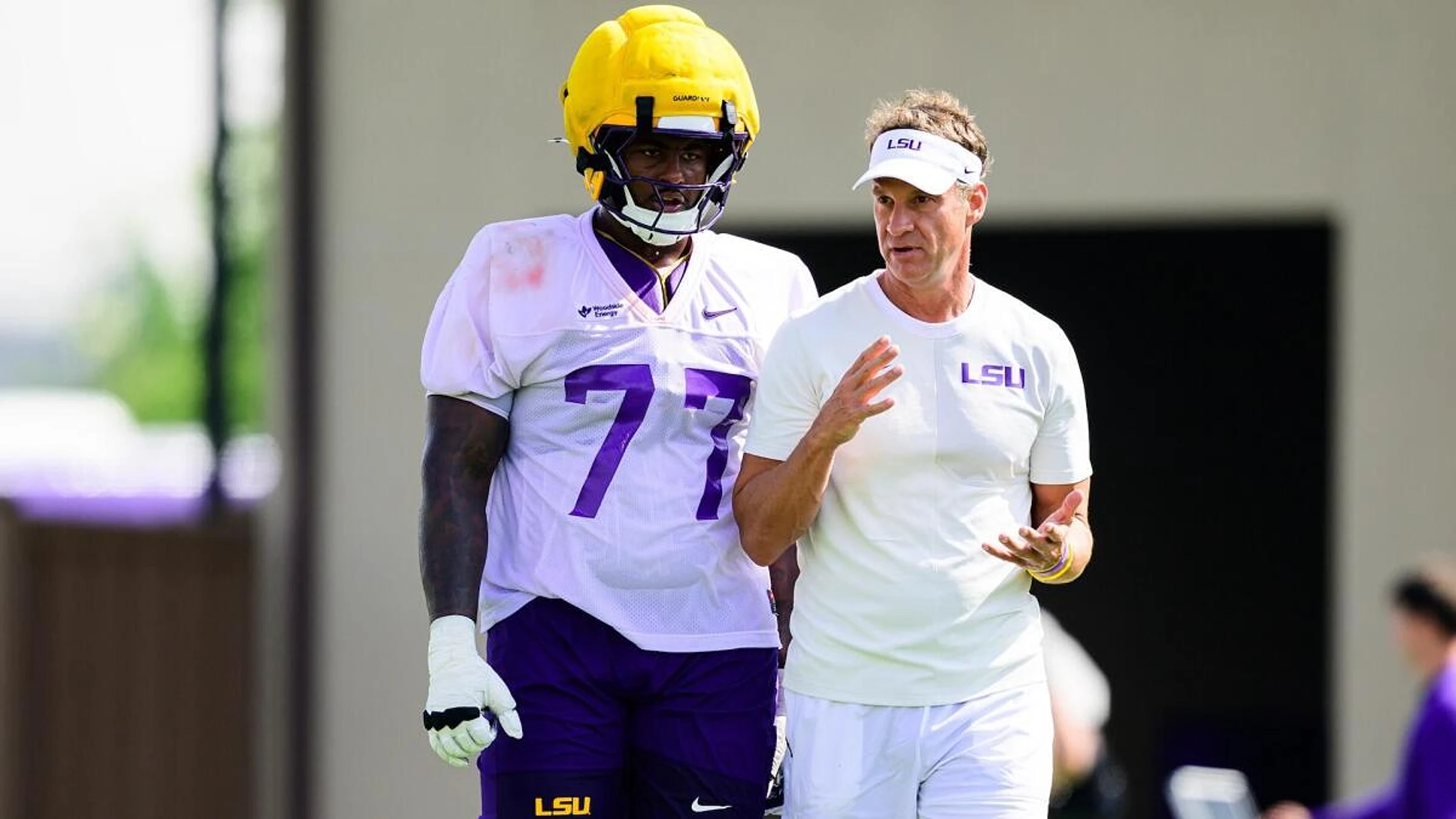
From there, Seaton headed to Baton Rouge. LSU needed a game-changer on the offensive line after overhauling almost that entire room, and Seaton was the last impact tackle available on the open market. Oregon was also in the mix, with a visit to Eugene scheduled at one point, but it never materialized. In the end, LSU's pitch—combined with the Tigers' urgency and resources—sealed the deal. For a program looking to rebuild its front line, landing Seaton wasn't just a win; it was a statement.