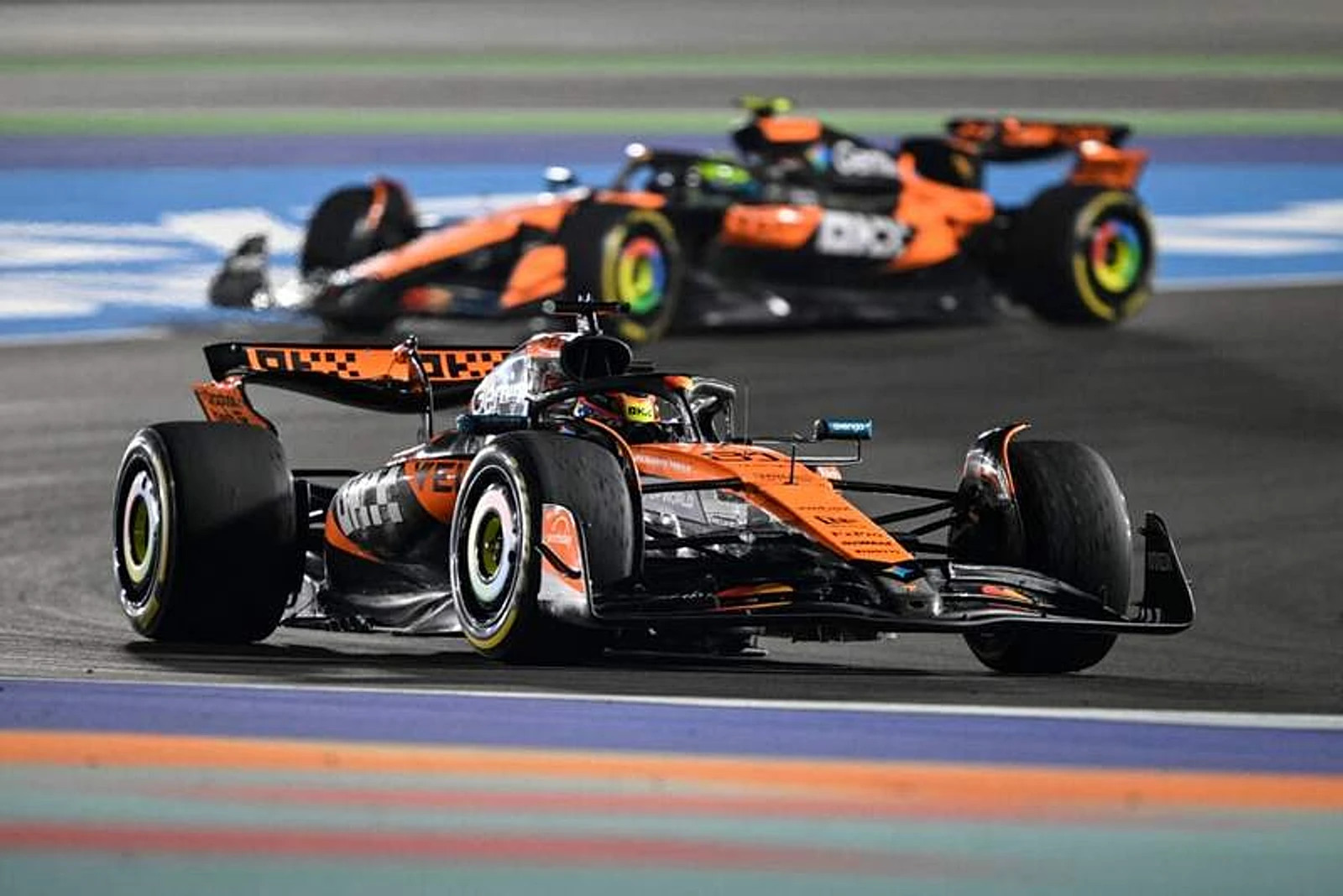
When McLaren introduced their now-famous "papaya rules" last season, the paddock was buzzing with questions. Could two championship-caliber drivers coexist without tearing the team apart? Would Lando Norris and Oscar Piastri's relationship survive the pressure of a title fight?
Fast forward to today, and the results speak for themselves. Norris clinched the drivers' championship, and McLaren secured the constructors' title—a double victory that silenced many doubters. But not everyone was convinced from the start.
Former F1 driver Jolyon Palmer, who had been among the critics, has now changed his tune. Speaking on the F1 Nation podcast, Palmer admitted that McLaren's approach was far more effective than he initially believed.
"They sort of got away with it because McLaren won both championships," Palmer reflected. "They were spinning plates the whole way through the season, and it must have given them so much extra work that the other teams weren't having to do."
Palmer highlighted the immense coordination required behind the scenes—constant communication between team principal Zak Brown, CEO Andrea Stella, and the race engineers. Every decision, every race management strategy had to be carefully calculated to keep both drivers competitive without fracturing team unity.
The parallels to the current season are hard to ignore. At Mercedes, Kimi Antonelli and George Russell are now battling at the top of the standings, raising familiar questions about internal dynamics. Russell's early-season momentum has faded in recent races, and there's a growing sense of unease as Antonelli rises.
But for McLaren, the papaya rules proved that with the right leadership and clear communication, two talented drivers can push each other to greater heights—without pushing the team apart. As Palmer concluded, sometimes the strategy that looks messiest from the outside is actually the one that works best in the cockpit.