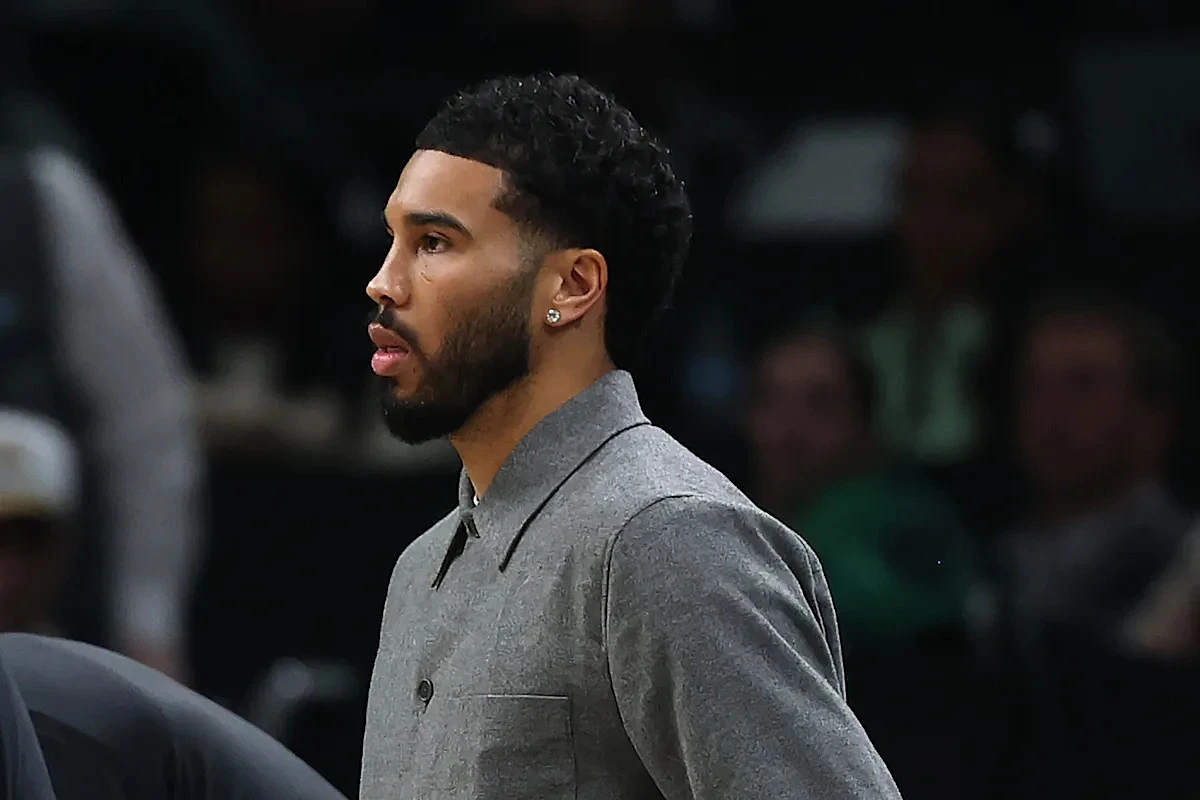
In a season full of highs and heartbreaking lows, the Boston Celtics' Game 7 loss to the Philadelphia 76ers came with a lingering question: why wasn't Jayson Tatum on the floor? On Sunday, the Celtics star finally opened up about the decision that kept him sidelined for the biggest game of the year.
Initially listed as questionable with left knee stiffness on Saturday afternoon, Tatum's status changed roughly two hours before tip-off. The win-or-go-home matchup at TD Garden would proceed without its leading man. According to Tatum, the culprit was tightness in the back of his left knee—an issue that required strict adherence to the team's "return-to-play protocol."
That protocol isn't just a suggestion; it's a carefully monitored progression. It starts with light activity like using an exercise bike or jogging, moves to non-contact drills, and finally allows unrestricted practice—all over a 48-hour window. Tatum and the training staff stuck to the plan, even with a Game 7 on the line.
"The staff, the medical team, they just kind of assessed everything that was going on," Tatum explained. "And I was in the window of return-to-play protocol, and there were just certain rules and a plan that, ultimately, that we had to stick by."
For a player who had already defied the odds by returning from a torn Achilles just 10½ months earlier, this setback felt particularly cruel. Tatum noted that his knee injury occurred in his left leg, while the Achilles rupture was in his right. Still, he admitted the strain might have been inevitable given his heavy workload since returning.
"I guess a little to be expected," Tatum said. "I was away for 10½ months and then came back, and I was playing every other day. I was playing 36 to 40 minutes. So it's not unusual that something would come up."
Had the Celtics advanced to the second round, Tatum indicated his status would have been day-to-day, with a potential return at some point against the New York Knicks. But for now, the focus is on recovery—and the hard truth that even the best-laid plans can't always keep a superstar on the court.
"It was just kind of tough because rehab was just going so well the entire time," he added. "I guess it was inevitable at some point that I was gonna have to deal with something."